
The Beginner’s Guide to Wristwatch Collecting: Building Your Timeless Collection

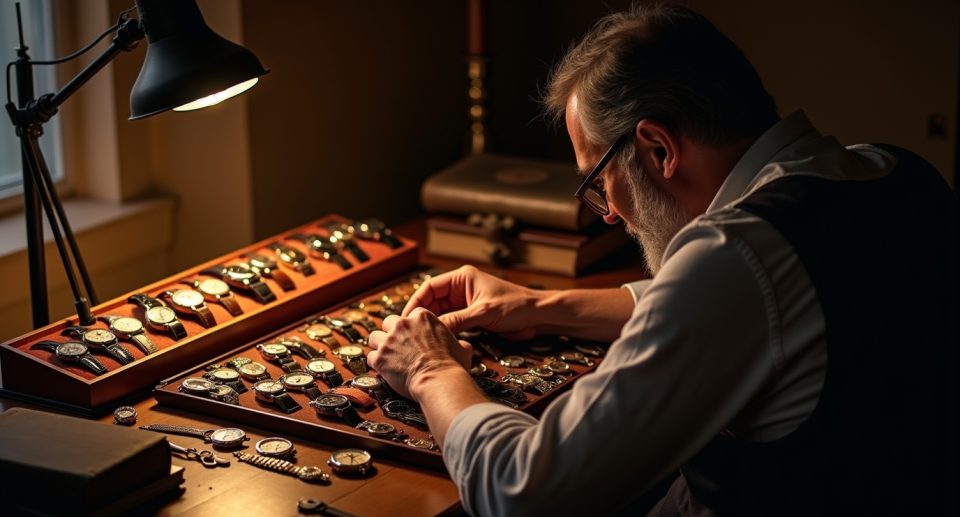

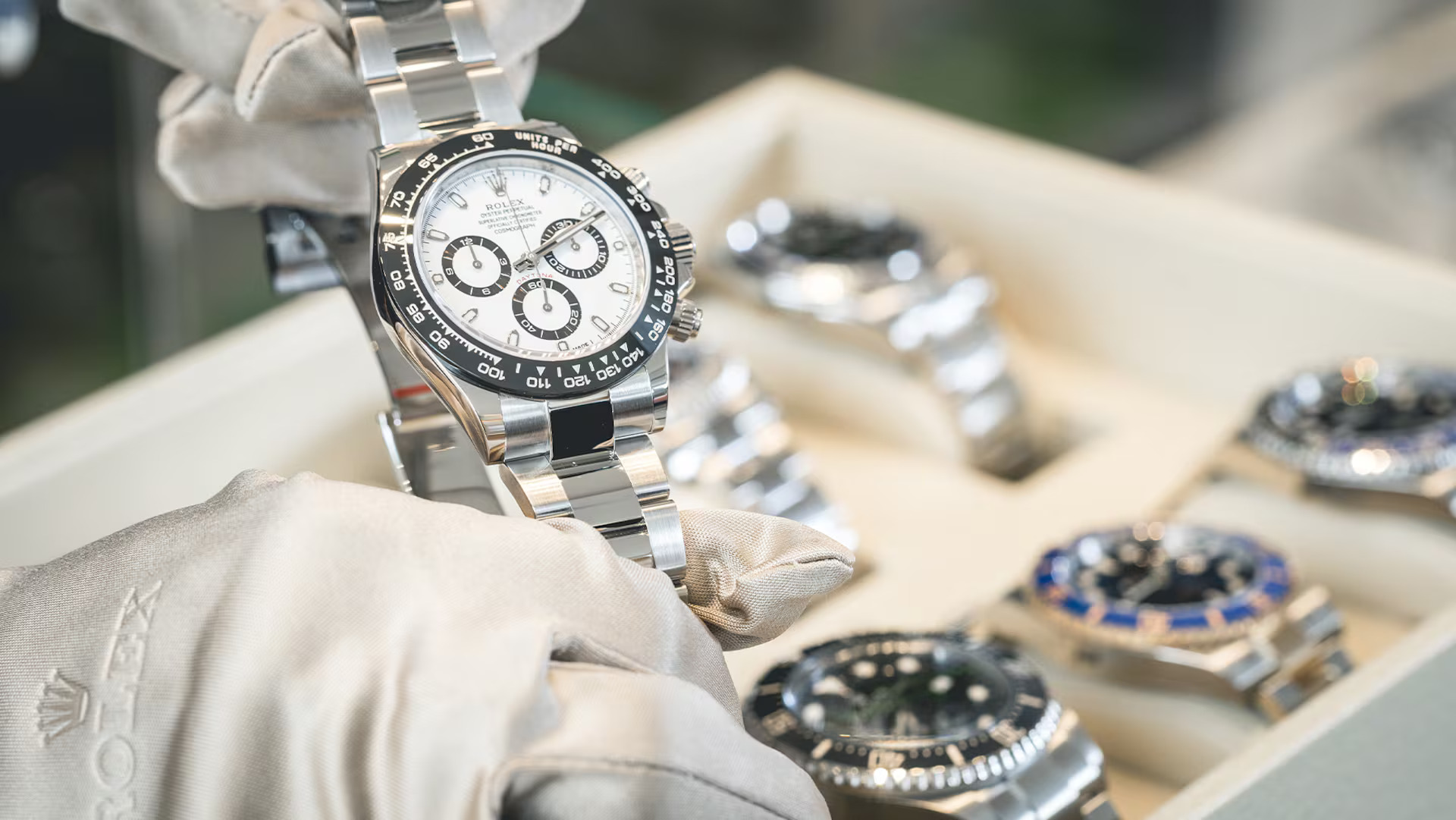
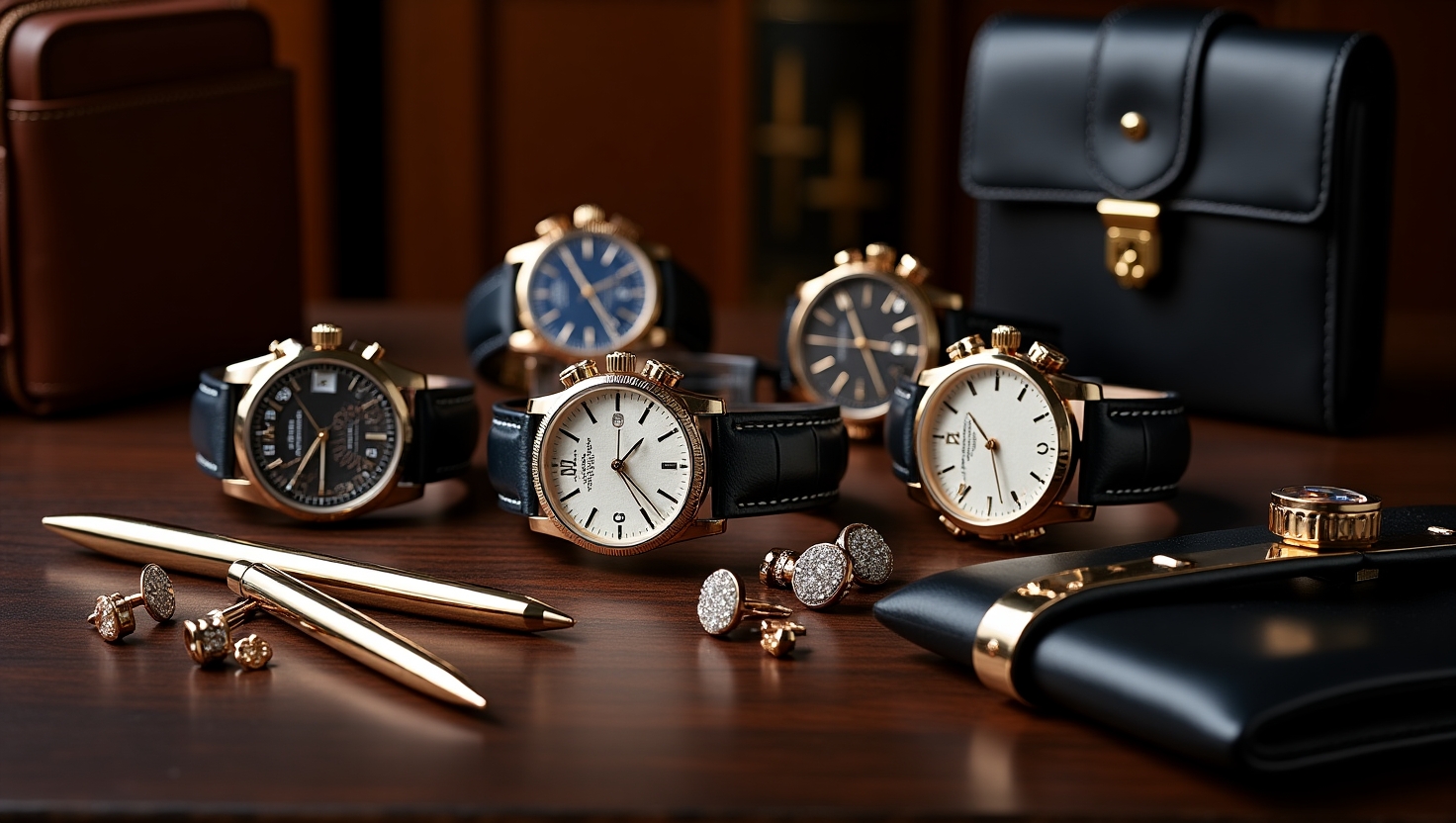
Welcome to the fascinating world of wristwatch collecting! Whether you’re drawn by the intricate mechanics, historical significance, personal style, or potential investment value, collecting wristwatches—often called “horology” from the Greek for the study of time—offers endless rewards.
Many collectors start with a single watch that sparks passion, perhaps a family heirloom or a modern piece that catches the eye. From there, the hobby grows into appreciating craftsmanship, rarity, and the stories behind each timepiece. A collectible watch typically features quality materials, precise movements, and a design that stands the test of time—literally.
This book guides beginners through building a meaningful collection. We’ll cover history, basics, types, buying tips, care, and more. By the end, you’ll confidently start your own journey with time.
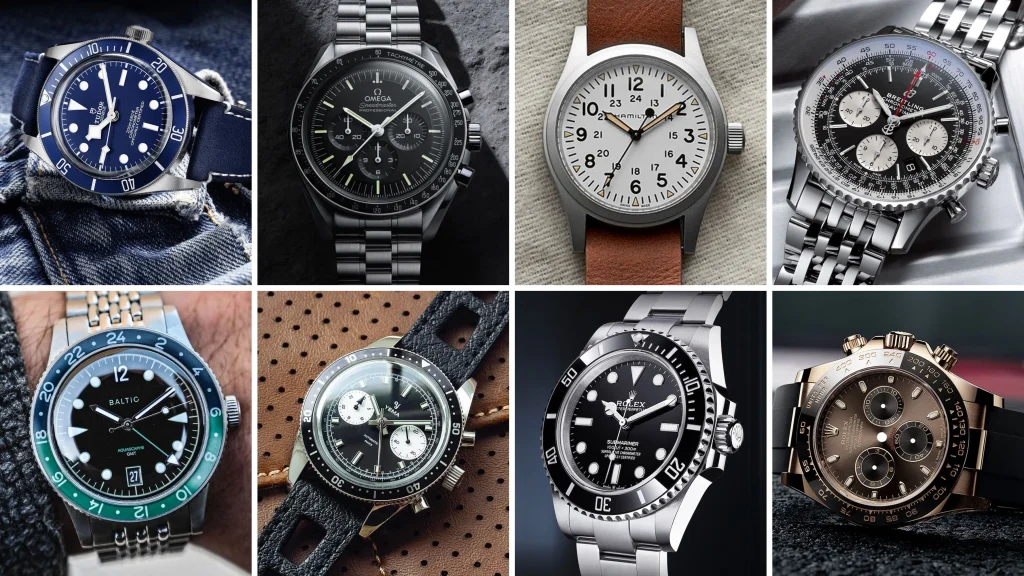
Iconic examples like the Rolex Submariner, Omega Speedmaster, and Seiko divers inspire many collections.
2. The History of Wristwatches Collecting
Wristwatches evolved from pocket watches in the late 19th century. Early examples were women’s jewelry, but military needs during wars popularized them for men.
Key milestones:
- 1810: Abraham-Louis Breguet creates one of the first known wristwatches for the Queen of Naples.
- 1904: Cartier designs the Santos for aviator Alberto Santos-Dumont, considered the first purpose-built men’s wristwatch.
- World War I: Soldiers strap pocket watches to wrists for practicality, boosting popularity.
- 1926: Rolex introduces the Oyster, the first waterproof wristwatch.
- 1953: Rolex Submariner launches as the first diver’s watch to 100 meters.
- 1969: Omega Speedmaster becomes the “Moonwatch” worn on the Apollo 11 mission.
- 1972: Audemars Piguet Royal Oak revolutionizes luxury sports watches in steel.
Post-WWII, quartz movements in the 1970s challenged mechanical watches, but Swiss brands revived interest in mechanical horology. Today, vintage (pre-1980s) and modern watches coexist, with vintage offering patina and history, and modern providing precision and durability.
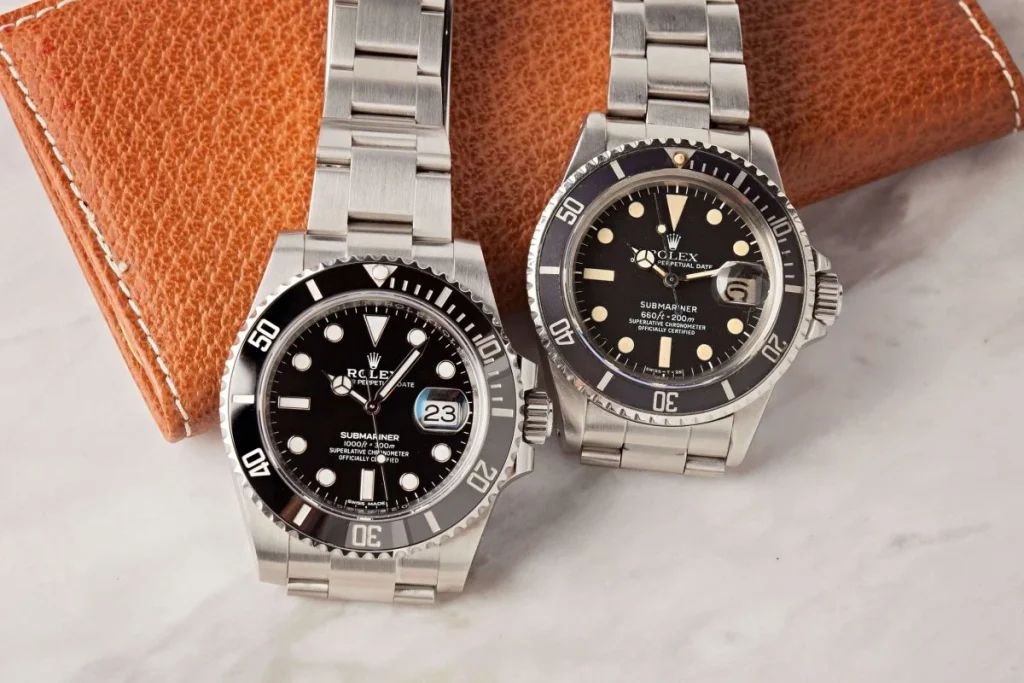
Vintage vs. modern: Vintage often has smaller cases and acrylic crystals; modern features larger sizes and sapphire.
3. Understanding Watch Basics
A watch comprises many parts working in harmony.

Key anatomy:
- Case: The body housing the movement; sizes typically 36-42mm for men.
- Dial: The face displaying the time.
- Hands: Hour, minute, seconds.
- Crown: For winding and setting.
- Bezel: Ring around the crystal; rotatable on divers for timing.
- Crystal: Glass covering the dial (acrylic, mineral, sapphire).
- Movement: The engine—quartz (battery-powered, accurate, low-maintenance) vs. mechanical (manual-wind or automatic, powered by motion).
Materials: Stainless steel (durable), gold/titanium (luxury/light), ceramics (scratch-resistant).
4. Types and Styles of Collectible Watches
Collectors often categorize by function and style:
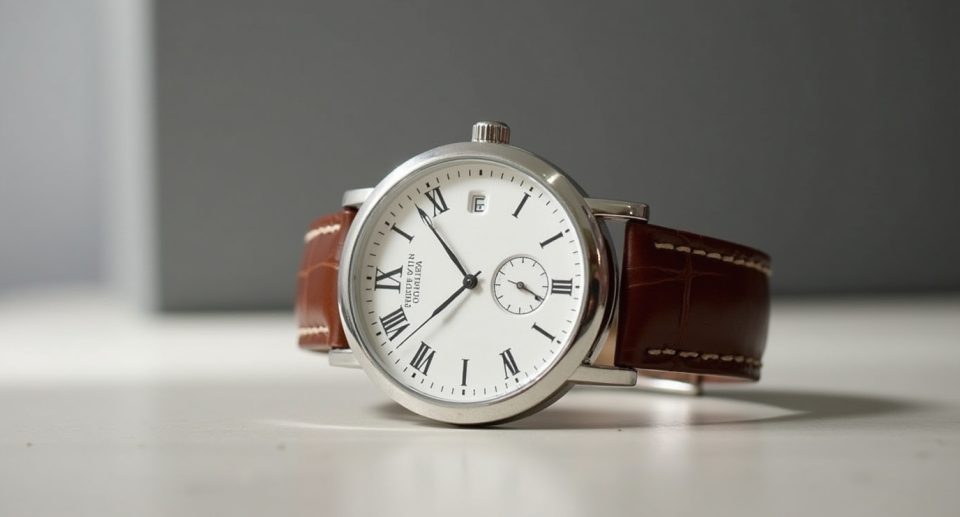
- Dress watches: Slim, elegant (e.g., Cartier Tank).
- Dive watches: Robust, water-resistant with rotating bezels (Rolex Submariner, Omega Seamaster, Seiko SKX).
- Pilot watches: Large dials for readability (IWC Big Pilot).
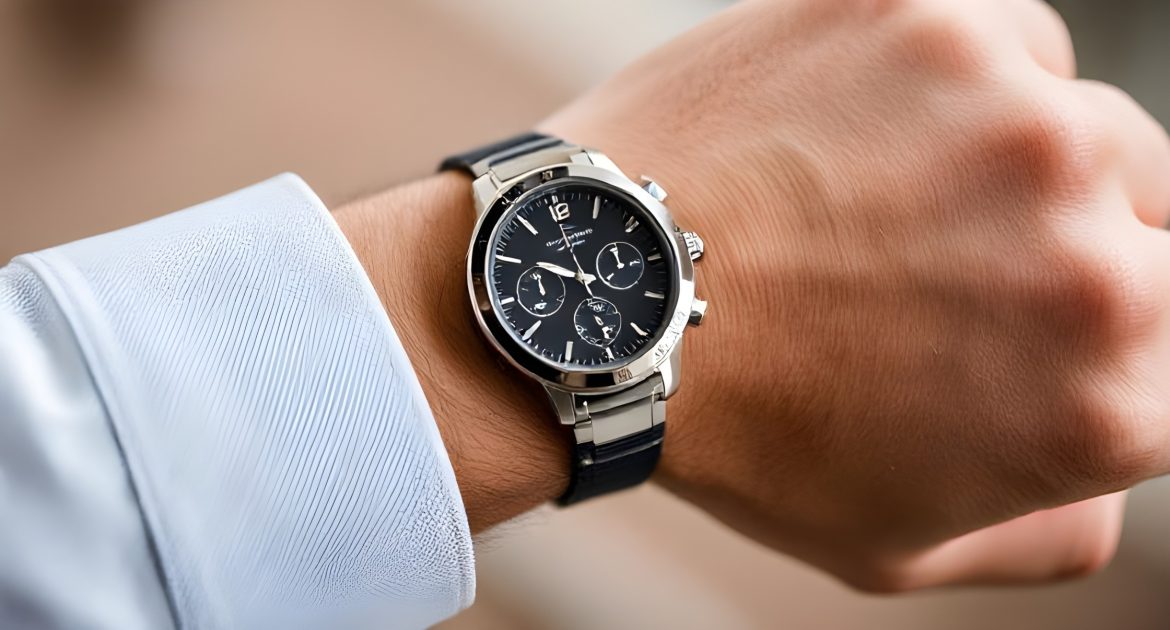
- Chronographs: Stopwatch function (Omega Speedmaster).
- Tool watches: Practical for professions vs. luxury dress pieces.
Vintage appeals for history; modern for reliability.
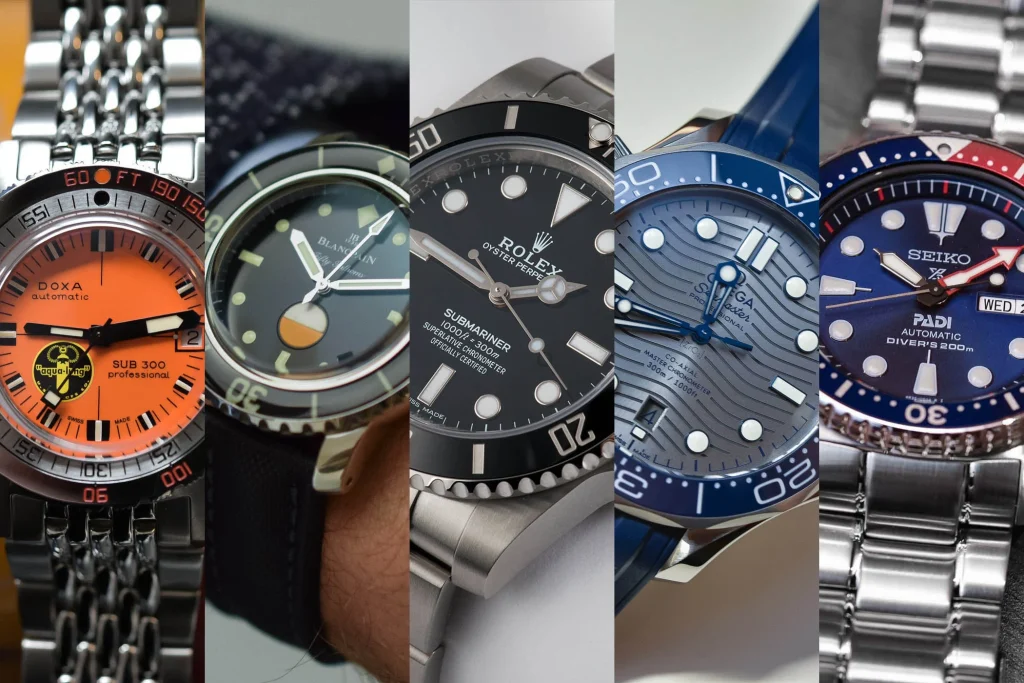
Iconic divers: Rolex Submariner (dive heritage), Omega Seamaster (James Bond), Seiko (affordable reliability).
5. Starting Your Collection: First Steps
Set a budget: Beginners can start under $500 (Seiko, Tissot) or aim higher for entry-luxury ($1,000-$5,000).
Goals: Variety—one dress, one sport, one vintage.
Recommended first watches (2025-2026):
- Affordable: Seiko 5 Sports (~$200-300, automatic, versatile).
- Mid-range: Tissot PRX or Hamilton Khaki Field (~$500-1,000).
- Entry-luxury: Tudor Black Bay or Omega Seamaster Aqua Terra (~$3,000-5,000).
Avoid mistakes: Don’t chase hype; buy what you love. Start with versatile pieces.
Balanced collection example: Dress (Nomos), sport (Tissot PRX), diver (Seiko).
6. How to Buy Watches Wisely
New vs. pre-owned: Pre-owned often better value, especially vintage.
Where to buy:
- Authorized dealers (new, warranty).
- Reputable pre-owned (Chrono24, Bob’s Watches).
- Auctions (Sotheby’s, for rare pieces).
Spotting fakes: Red flags include poor weight (too light), uneven engraving, misspelled text, jerky seconds hand (quartz in mechanical), and wrong serial placement. Always verify serials and get authentication.
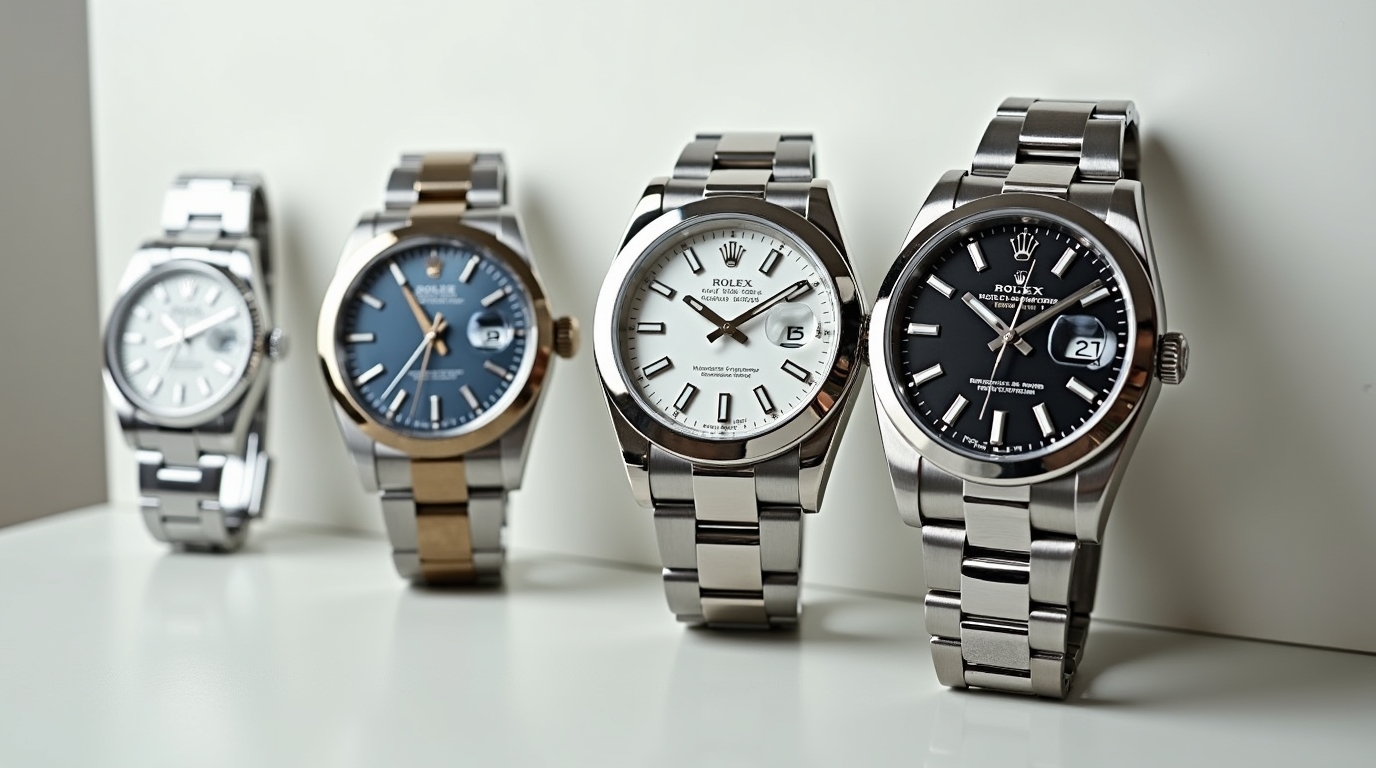
For luxury like Rolex, buy from trusted sources.
7. Caring for and Maintaining Your Collection
Mechanical watches need servicing every 3-5 years (or 5-7 for Rolex) to replace dried oils and prevent wear. Quartz: Battery every 2-3 years.
Daily care: Avoid magnets, extreme temperatures; store in a watch box or winder for automatics.
Straps: Leather needs conditioning; metal can be polished.
Insurance: For valuable collections.
8. Advanced Collecting Strategies
Themes: Brand-focused (e.g., all Rolex), complication (chronographs), era (1960s divers).
Investment: Some watches appreciate—Rolex sports models, Patek Philippe, Audemars Piguet Royal Oak. In 2025-2026, Tudor Black Bay, discontinued Rolex, like Milgauss show potential. Buy condition-complete sets.
Grail watches: Rare pieces like vintage Speedmaster.
Conclusion: Your Timeless Journey Awaits
As we close this beginner’s guide to wristwatch collecting, remember that every great collection starts with a single tick—one watch that captures your imagination and sparks a lifelong passion. From understanding the intricate beauty of mechanical movements to curating a balanced array of dress, dive, and vintage pieces, you’ve now got the foundational knowledge to build something truly personal and enduring.
Wristwatch collecting is more than acquiring objects; it’s about appreciating masterful craftsmanship, preserving history on your wrist, and marking life’s moments with pieces that gain character over time.
Whether you’re starting with an affordable Seiko diver or dreaming of a Rolex grail, prioritize what speaks to you—wear your watches, enjoy the community, and let your collection evolve naturally.
In the end, the true value of your collection lies not just in monetary worth, but in the stories, joy, and sense of timelessness it brings. Strap on your first (or next) watch, and embark on this rewarding journey. Happy collecting – may your watches always run true, and your adventures never run out of time!