
Beyond the Slogan: How Watch Brand Mantras Shape Identity, Craftsmanship, and Legacy in 2026


Forget “Just Do It.” In the world of horology, a slogan isn’t a call to action—it’s a covenant. From Patek Philippe’s generational promise to Jaeger-LeCoultre’s quiet mastery, luxury watch mottos distill centuries of philosophy into a few precise words. But in 2026, these phrases mean more than marketing—they’re filters for authenticity, guides for collectors, and litmus tests for brand integrity. Here’s how the most enduring watch slogans reveal what truly matters when you wear time on your wrist.
Why Watch Slogans Are the Soul of a Brand (Not Just Advertising)
While fast-fashion brands chase viral moments, watchmakers craft mantras that outlive generations. A watch slogan must do three things:
- Reflect technical truth (Omega’s chronometric precision isn’t aspirational—it’s measurable)
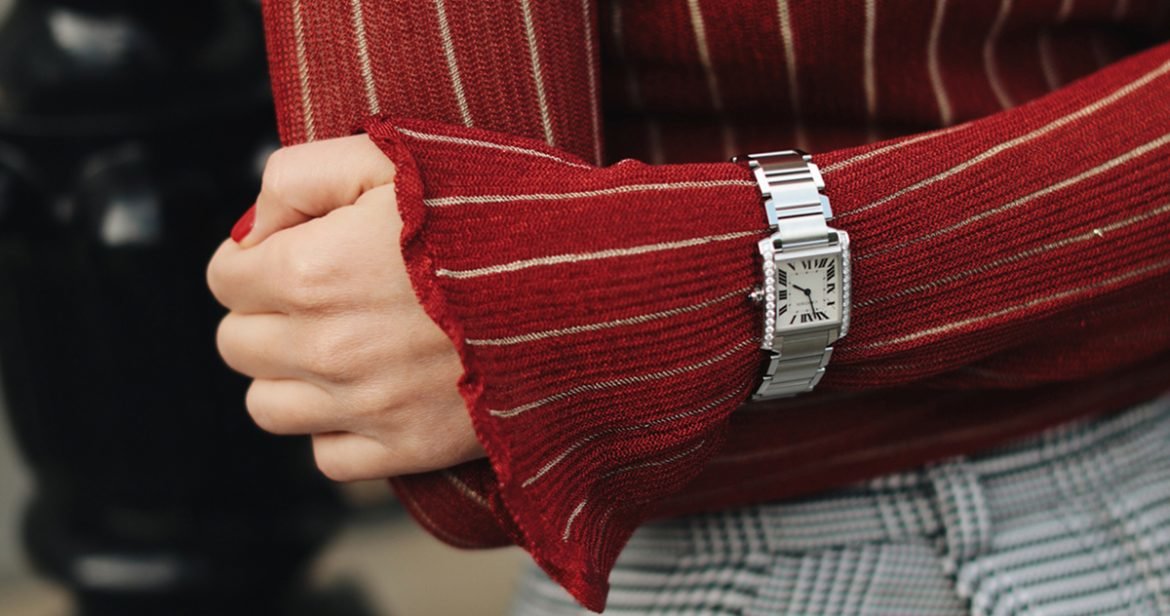
- Embody design philosophy (Cartier doesn’t “innovate” for novelty—it redefines elegance)
- Resonate across eras (Vacheron Constantin’s 1819 motto still drives its 63-complication Berkeley watch)
In 2026, consumers see through empty luxury claims. A slogan only endures if it’s lived—not just printed on a boutique wall.
The Seven Pillars of Horological Philosophy
1. Omega: “Exact Time for Life” — Precision as Promise
Born from 1931 observatory trials where Omega swept all six categories, this isn’t poetic fluff—it’s engineering doctrine. Every Master Chronometer today undergoes 10 brutal tests, including 15,000 gauss magnetic resistance.
Why it matters in 2026: In an age of digital distraction, Omega offers analog certainty. Your Seamaster won’t glitch during a dive. Your Speedmaster won’t fail on the moon. “Exact time” means reliability you can stake your life on.
2. Patek Philippe: “You never actually own a Patek Philippe…” — Stewardship Over Status
This 1996 campaign distilled a 185-year ethos: watches as heirlooms, not assets. Patek’s archive holds every part since 1839—enabling service of a 1900 pocket watch today.
The 2026 shift: Young collectors reject “flex culture.” They seek pieces with legacy depth—where authentication verifies not just genuineness, but continuity of care across generations.
3. Jaeger-LeCoultre: “The Watchmaker’s Watchmaker” — Quiet Mastery
Unofficial but undeniable. JLC’s Calibre 920 powered the Royal Oak 5402ST, Nautilus 3700, and Vacheron 222—the holy trinity of sports watches. Other brands don’t just admire JLC—they depend on it.
Modern relevance: In a market flooded with “in-house” claims, JLC’s 1,400+ calibers and 430 patents prove true innovation needs no shouting.
4. Audemars Piguet: “To Break the Rules, You Must First Master Them” — Disruption with Discipline
The 1972 Royal Oak shattered norms: stainless steel for luxury, octagonal bezel, visible screws. But AP mastered traditional finishing first—hand-beveled bridges, anglage, perlage.
2026 reality check: Recent Royal Oak iterations risk becoming safe. True rule-breaking now demands new silhouettes—not just new dials. The motto remains valid only if AP dares again.
5. Cartier: “Never Imitate, Always Innovate” — Design as DNA
From the 1904 Santos (first pilot’s watch) to the 1960s Crash (surrealist icon), Cartier’s shapes emerge from stories—not trends. Louis-François Cartier’s 1847 motto lives in every Tank’s clean lines.
Today’s test: Can Cartier innovate beyond reinterpretation? Its secret weapon: Carole Forestier-Kasapi’s in-house movements (30+ since 2008), proving technical depth matches aesthetic courage.
6. Vacheron Constantin: “Do Better If Possible, And That Is Always Possible” — Relentless Refinement
François Constantin’s 1819 letter to his partner wasn’t marketing—it was a challenge. Today’s Les Cabinotiers Berkeley (63 complications) answers it.
Why it resonates: In an era of planned obsolescence, Vacheron’s 269-year continuity offers radical hope: excellence has no finish line.
7. F.P. Journe: “Invenit et Fecit” (“[He] invented it and made it”) — Radical Integrity
Stamped on every dial, this Latin phrase is both boast and burden. Journe makes every component—from balance springs to cases—in one Geneva atelier.
The ultimate 2026 flex: In a world of conglomerate-owned “independence,” Journe’s solo craftsmanship proves true autonomy isn’t dead—it’s essential.
TAG Heuer’s Identity Crisis: When Slogans Outrun Substance
“Don’t Crack Under Pressure” worked for Ayrton Senna’s Monaco wins. But in 2026, TAG’s LVMH-backed accessibility strategy clashes with its racing roots. Cristiano Ronaldo ads sell aspiration; they don’t convey horological substance.
The gap: While Omega backs its “exact time” claim with METAS certification, TAG’s quartz-heavy lineup struggles to embody “pressure-tested” credibility. A slogan without technical backbone becomes costume jewelry.
The Rise of Anti-Slogans: When Silence Speaks Loudest
Some brands reject mottos entirely—letting craftsmanship speak:
- Grand Seiko: No slogan, just “The Nature of Time”—a philosophy expressed through Zaratsu polishing and Spring Drive’s glide motion
- A. Lange & Söhne: “Pour le Mérite” references Prussian honor, not marketing—its value lies in German silver plates and hand-engraved balance cocks
In 2026, the most powerful statement may be refusing to make one.
The Future of Watch Slogans: From Heritage to Humanity
Emerging brands are redefining what a watch motto can be—not as declarations of luxury, but as invitations to reimagine time itself:
- Urwerk: “Time is relative”—embracing non-traditional displays that challenge how we perceive hours and minutes. Their satellite complications and wandering hours reject the tyranny of the dial, asking wearers to engage with time as a fluid concept rather than a rigid grid.
- MB&F: “A creative adult is a child who survived”—a phrase that captures founder Maximilian Büsser’s belief that true innovation springs from unjaded curiosity. MB&F’s “Horological Machines” aren’t watches; they’re kinetic sculptures that prioritize wonder over convention.
- Tudor: “Born to Dare”—a modern mantra that bridges heritage and accessibility. Unlike vintage slogans focused on royalty or precision, Tudor’s motto speaks to everyday courage: the diver who trusts his Black Bay at 200m, the pilot who relies on her Ranger in zero visibility.
- Grand Seiko: Though it has no official slogan, its philosophy—“The Nature of Time”—is etched into every Zaratsu-polished case. Here, time isn’t measured—it’s felt, through textures inspired by snow-covered pines and winter light in Shinshu.
These new-generation mantras share a common thread: humanity over hierarchy. They don’t whisper, “You’ve arrived.” They ask, “What will you create?”
The Anti-Slogan Movement: When Craft Speaks Louder Than Words
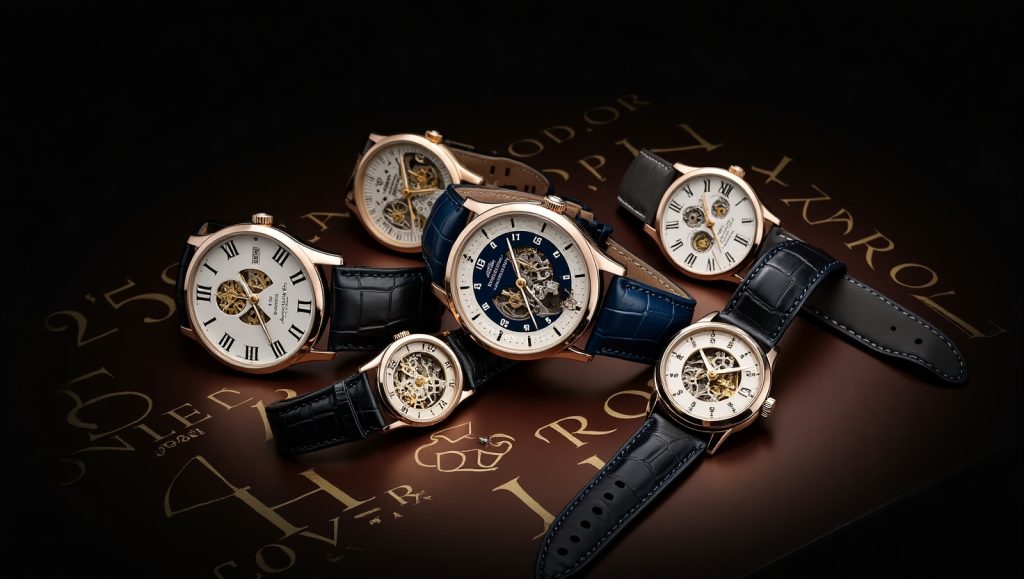
Some of horology’s most respected names reject slogans entirely, letting craftsmanship carry the message:
- A. Lange & Söhne stamps “Pour le Mérite” on its highest complications—a Prussian honorific, not a marketing line. Its value lies in German silver plates, hand-engraved balance cocks, and three-quarter movements assembled twice. No slogan needed.
- Philippe Dufour, the reclusive master of the Simplicity, has never uttered a brand motto. His entire philosophy is visible in the mirror-finish anglage of a single bridge: perfection as quiet rebellion against industrial haste.
- Greubel Forsey avoids catchphrases, instead listing technical achievements like “Double Tourbillon 30°” as their identity. Their message? Complexity for complexity’s sake is vanity—but complexity in service of chronometric truth is art.
In an age of noise, silence becomes the ultimate luxury.
How to Choose a Watch That Aligns With Your Personal Mantra
Your timepiece should reflect your values—not just your budget. Use these questions as a filter:
Q: Does this brand liveits motto?
Patek Philippe’s archive proves stewardship; Audemars Piguet’s recent Royal Oak iterations test whether it still dares to break rules.
Q: Does the slogan align with my story?
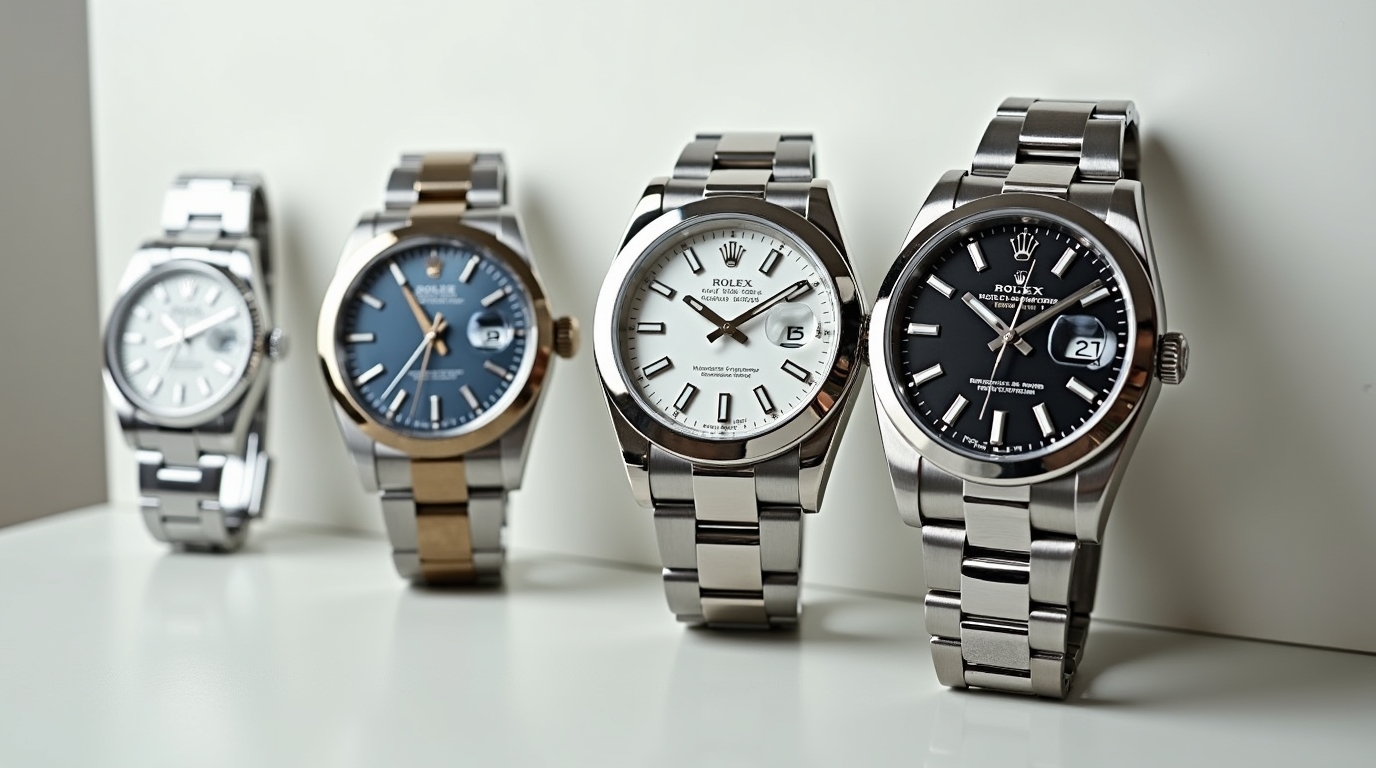
Rolex’s “Crown for Every Achievement” suits milestone markers; F.P. Journe’s “Invenit et Fecit” attracts purists who value radical independence.
Q: Is the philosophy backed by authentication?
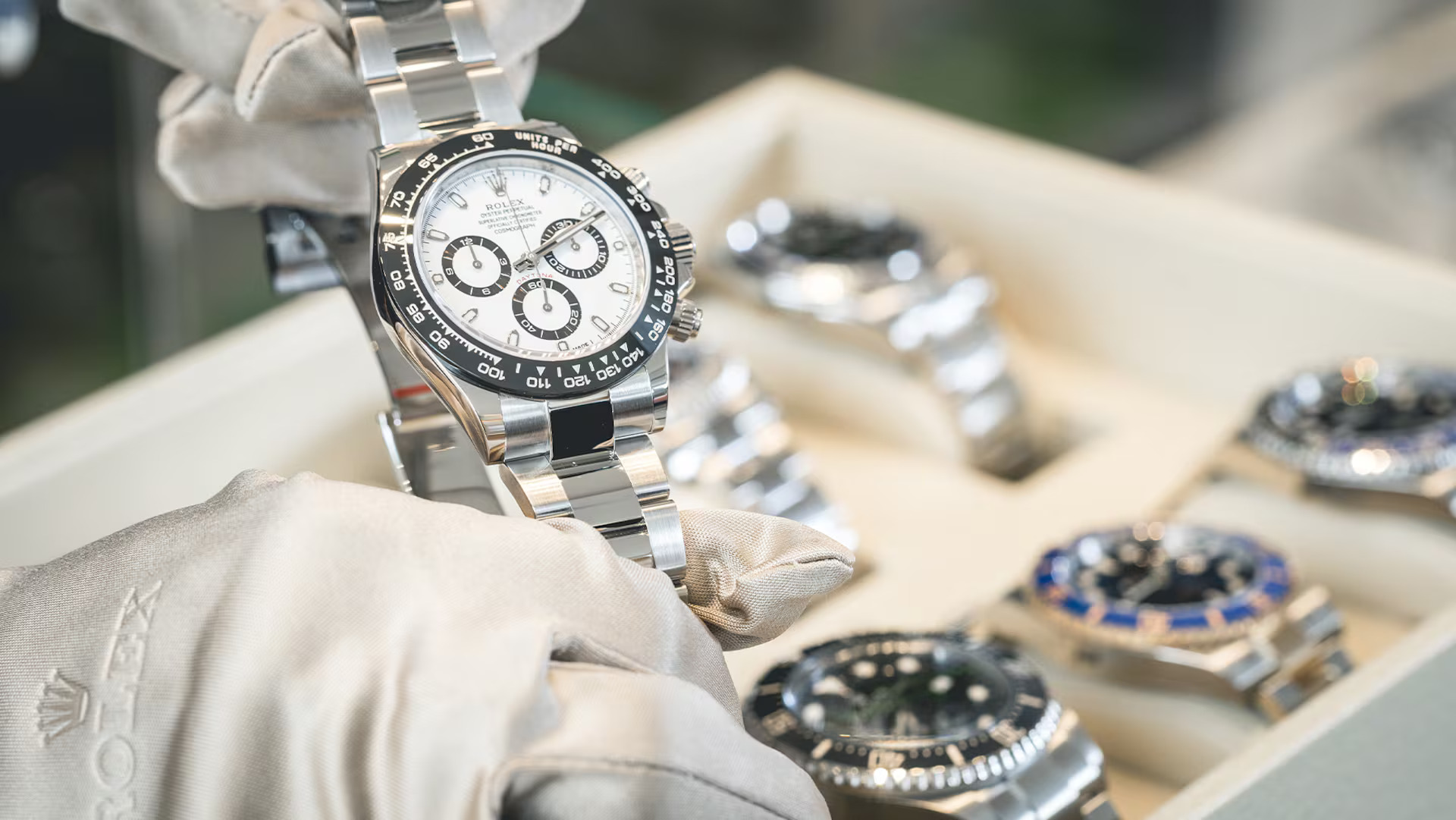
At Cheap Replica Chanel Shoes Shop, we verify not just movement authenticity, but whether a piece embodies its brand’s ethos—proper perlage on a Vacheron, correct patina on a Tudor, original finishing on a vintage Omega.
Why Slogans Matter More Than Ever in the Pre-Owned Era
In 2026, the secondary market thrives on narrative. A watch with documented provenance doesn’t just prove it’s real—it proves it lived according to its brand’s promise.
- A Patek Philippe with service records dating to 1985 validates “generational stewardship.”
- An Omega Speedmaster with NASA documentation embodies “exact time for life” under literal pressure.
- A Jaeger-LeCoultre Reverso with original box and papers whispers, “I am the watchmaker’s choice.”
Authentication isn’t just about avoiding fakes—it’s about verifying that the story matches the slogan.
Conclusion: Your Wrist, Your Worldview
Watch slogans endure not because they’re clever, but because they’re true. In a world of fleeting trends, they anchor us to philosophies that outlive generations.
When you choose a timepiece, you’re not just buying gears and gold—you’re aligning yourself with a worldview. Do you believe time should be precise (Omega), poetic (Cartier), rebellious (AP), or eternal (Patek)?
In 2026, the most powerful statement isn’t what your watch costs—it’s what it says about how you move through time. And that’s a slogan worth living by.