Diamond Clarity Decoded: What’s Truly “Best” vs. What’s Smart

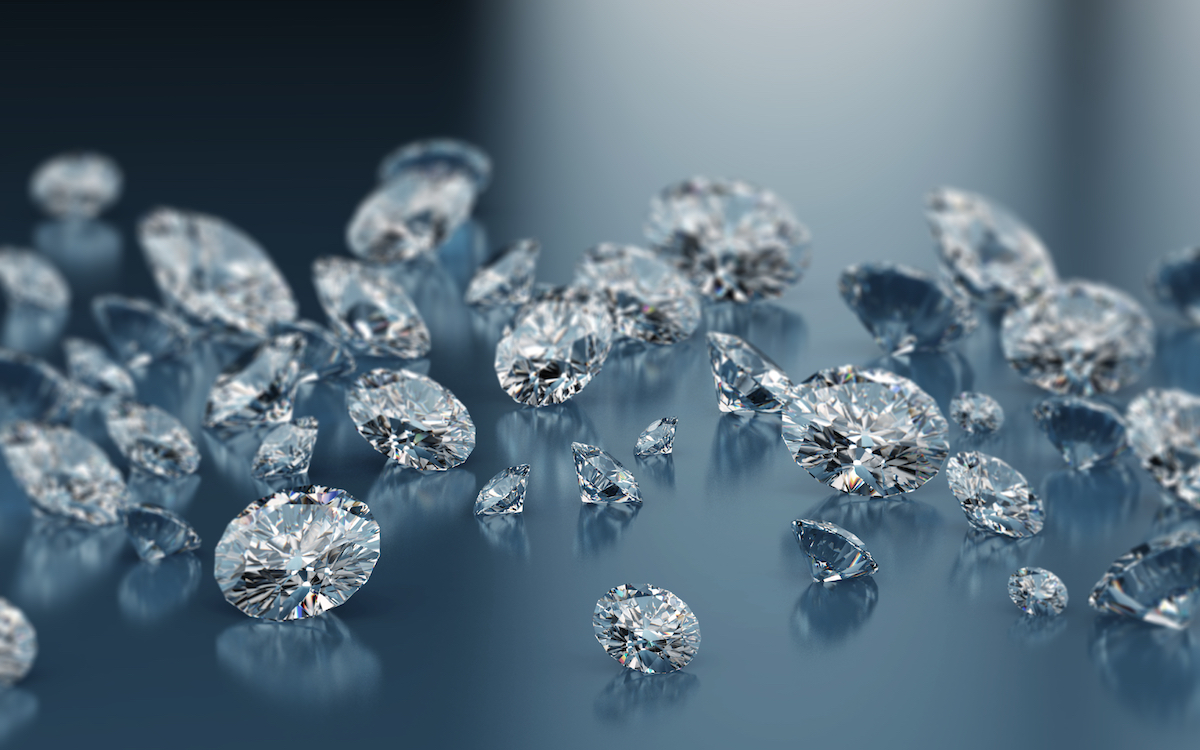
When you hear “highest clarity diamond,” images of flawless, museum-worthy stones may come to mind. But in the real world of engagement rings, earrings, and heirlooms, perfection isn’t always practical—and it’s rarely necessary. The truth is, most inclusions are invisible to the naked eye, yet they can inflate a diamond’s price by thousands. So what clarity should you actually choose? The answer lies not in chasing the top of the grading scale, but in understanding what “eye-clean” really means—and where value meets beauty.
Understanding the GIA Diamond Clarity Scale
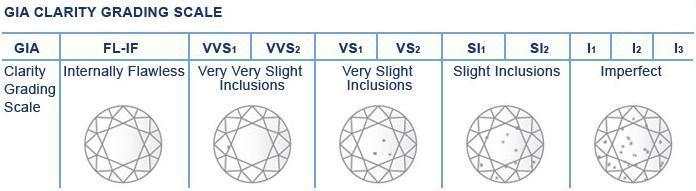
The Gemological Institute of America (GIA) established the global standard for diamond clarity grading. It evaluates diamonds under 10x magnification based on the size, number, position, nature, and relief of internal characteristics (inclusions) and surface features (blemishes).

The scale, from highest to lowest:
- Flawless (FL) – No inclusions or blemishes visible under 10x
- Internally Flawless (IF) – No inclusions; minor surface blemishes only
- Very, Very Slightly Included (VVS1 & VVS2) – Minute inclusions extremely difficult to see under magnification
- Very Slightly Included (VS1 & VS2) – Minor inclusions difficult to see under magnification
- Slightly Included (SI1 & SI2) – Noticeable inclusions under magnification; may or may not be visible to the naked eye
- Included (I1, I2, I3) – Obvious inclusions, often visible without magnification; may affect durability
Only about 2% of all natural diamonds achieve VVS or higher clarity. FL and IF stones are exceptionally rare—often reserved for collectors or investment-grade pieces.
So, What Is “Good Clarity” for a Diamond?
“Good clarity” doesn’t mean “highest.” It means eye-clean—free of visible flaws when viewed face-up in normal lighting. And here’s the key insight: many SI1 and even some SI2 diamonds are completely eye-clean, especially in well-cut round brilliants under 1.50 carats.
The Practical Sweet Spot:
- For Round Brilliant Cuts (under 1.50ct): SI1 offers the best value. Over 85% are eye-clean, with inclusions typically hidden under prongs or near the girdle.
- For Step Cuts (Emerald, Asscher): Choose VS2 or higher. Their open, mirror-like facets make inclusions far more visible.
- For Fancy Shapes (Oval, Cushion, Princess): SI1–VS2 works well, though avoid large crystals under the table or feathers near the girdle (durability risk).
You’ll pay a significant premium for VVS or IF grades—but gain nothing in visual appearance. A $7,000 VS2 diamond and a $12,000 VVS1 of the same color and cut will look identical on your finger.
How Cut and Shape Affect Diamond Clarity Visibility
Not all diamonds hide inclusions equally. The cut plays a crucial role:
- Round Brilliant: 57 precisely angled facets scatter light brilliantly, masking small inclusions. Ideal for SI1 clarity.
- Princess & Cushion: Bright sparkle helps conceal flaws, but inspect for inclusions near corners (prone to chipping).
- Oval & Marquise: Watch for inclusions in the center—these can be highlighted by the bow-tie effect.
- Emerald & Asscher: Large, open tables act like windows. Even tiny inclusions stand out. Never go below VS2.
Pro Tip: Always review magnified imagery or videos of the actual diamond. A GIA report shows inclusion location—use it to assess whether flaws fall in high-visibility zones.
Pairing Clarity with Color: The Balanced Approach
Clarity doesn’t exist in isolation. It works with color to create overall beauty:
- Near-colorless diamonds (G–H): Pair beautifully with SI1 clarity. Any slight warmth can help mask minor inclusions.
- Colorless (D–F): Best matched with VS2+ clarity to maintain icy purity.
- Fancy colors (yellow, pink, etc.): Clarity matters less—color saturation dominates value and appearance.
Avoid over-investing in clarity while compromising on cut. A poorly cut VS1 will look dull, while an Excellent-cut SI1 will radiate fire and brilliance.
Why Pre-Owned Diamonds Offer Exceptional Clarity Value
Authenticated pre-owned diamonds let you access higher clarity grades at a fraction of retail cost—without sacrificing quality. Because you skip the initial depreciation (often 30–50%), you can afford a VS1 instead of an SI1, or even a VVS2 for the price of a new VS2.
At Cheap Replica Chanel Shoes Shop, every diamond undergoes rigorous verification:
- GIA report cross-checked against the physical stone
- Inclusion mapping to confirm eye-clean status
- Light performance analysis to ensure brilliance isn’t compromised
- Full Digital Authentication Report included
This means you get the assurance of top-tier grading—with the savings that make luxury accessible.
Red Flags to Avoid
- I1 diamonds marketed as “vintage charm”: Inclusions may weaken the stone or be clearly visible.
- No GIA report for stones over 0.50ct: EGL or IGI reports often inflate clarity by 1–2 grades.
- “Eye-clean SI2” in emerald cuts: Almost never true—step cuts expose flaws.
- FL/IF in fashion jewelry: Overkill for occasional-wear pieces; you’re paying for invisibilities.
Always insist on a GIA grading report for diamonds above half a carat. It’s your guarantee of accuracy.
Your Clarity Decision Checklist
Before you buy, ask:
- Is the diamond eye-clean in natural light?
- Does the shape support the clarity grade? (e.g., no SI1 emerald cuts)
- Are inclusions safe? (no feathers near girdle, no large crystals under table)
- Does the GIA plot match the actual stone?
- Am I paying for microscopic perfection that no one will ever see?
Final Thought: Clarity Is a Tool—Not a Trophy
The “best” diamond clarity isn’t Flawless—it’s the lowest grade that’s eye-clean for your specific stone. By choosing wisely, you preserve budget for what truly matters: an excellent cut that maximizes sparkle, a color that complements your skin tone, and a setting that reflects your style.In the end, a diamond isn’t admired under a loupe. It’s worn in sunlight, candlelight, and everyday moments. And in those moments, clarity that’s good enough to be invisible is clarity that’s perfect.