Master the Names, Heritage, and Nuances of Haute Horology – A Collector’s Complete Guide
Introduction: Why Pronunciation Matters in Watch Culture
In the rarefied air of haute horology, how you say a brand name can instantly signal whether you’re a seasoned collector or a curious newcomer. Mispronouncing “Patek Philippe” as “Pay-tek Fee-lee-pay” during an auction preview might draw subtle glances from established collectors. Proper pronunciation isn’t just about sounding sophisticated—it’s about respecting centuries of craftsmanship, family heritage, and cultural legacy.The Psychology of Pronunciation: According to horological linguist Dr. Jean-Marc Parmigiani, “Watch brand names carry the weight of their founding families’ identities. Mispronouncing them is like mispronouncing someone’s name—it shows a lack of familiarity and respect.” This guide goes beyond simple phonetics to explore the stories, linguistic origins, and cultural significance behind 15+ iconic luxury watch names.
The Holy Trinity: Patek Philippe, Audemars Piguet & Vacheron Constantin
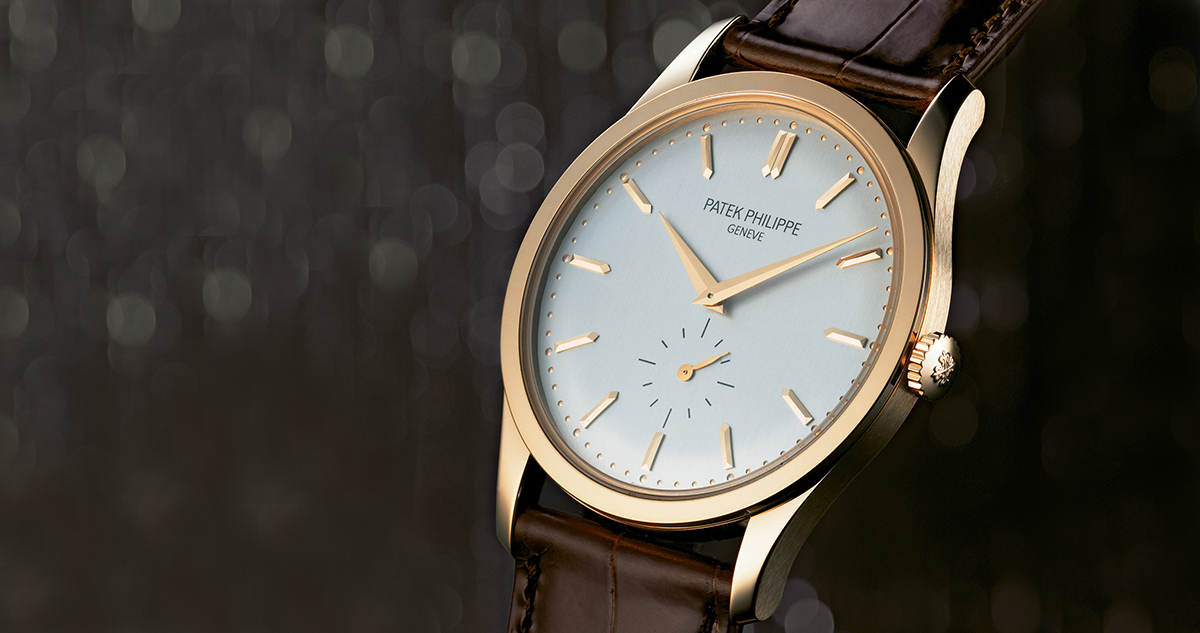
Historical Context: Founded in 1839 by Polish watchmaker Antoni Patek and Frenchman Adrien Philippe. The Polish origin explains the hard “P” sound, while Philippe’s French heritage influences the second name.
Linguistic Insight: The “tek” syllable comes from Polish pronunciation, where “e” at the end of a syllable is pronounced as “eh,” not “ay.” Many English speakers incorrectly apply French pronunciation rules to the entire name.
Common Mistakes: “Pay-tek” (over-Frenchifying), “Pah-tek Fee-lee-pay” (adding extra syllables)
Expert Tip: “Think of it as two distinct names: ‘Patek’ (Polish) and ‘Philippe’ (French). Never blend them into one French-sounding word,” advises Aurel Bacs, Phillips auction house.
Historical Context: Established in 1875 by Jules-Louis Audemars and Edward-Auguste Piguet in Switzerland’s Vallée de Joux. Both names have French origins, but the local Swiss-French pronunciation differs slightly from Parisian French.
Linguistic Breakdown:
“Audemars”: The “au” is pronounced “oh” (not “aw”), and the final “s” is silent
“Piguet”: The “et” combination in Swiss-French is pronounced “ay” (not “ett” or “et”)
Cultural Significance: Locals in Le Brassus (where AP is based) pronounce it with a slight emphasis on the second syllable of each name: “Oh-DEH-mar pee-GAY.”
Common Mistakes: “Aw-deh-mars Pig-uet” (Americanized), “Pig-ett” (ignoring French pronunciation rules)
Historical Context: Founded in 1755 by Jean-Marc Vacheron, making it the oldest continuously operating watchmaker. The Constantin name came later when François Constantin joined in 1819.
Linguistic Nuances:
“Vacheron”: The “ch” is soft (like “sh” in “shoe”), not hard like “k”
“Constantin”: The final “n” is barely pronounced, creating a nasal sound typical of French
Regional Variations:
Swiss-French: Vash-er-on Con-stan-tin (shorter final syllable)
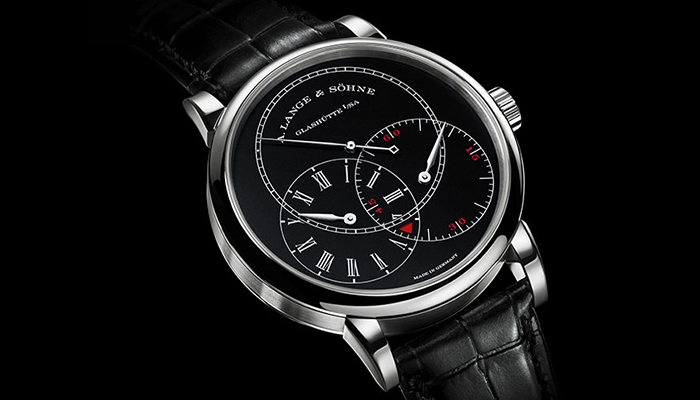
Historical Context: Ferdinand Adolph Lange founded the company in 1845 in Glashütte, Germany. The “& Söhne” (meaning “& Sons”) was added when his sons joined the business.
German Linguistic Features:
“Lange”: The “a” is open (like “ah”), not the English “ay” sound
“Söhne”: The “ö” (umlaut) doesn’t exist in English. It’s pronounced like the “u” in “burn” but with rounded lips
The “&” is pronounced as “und” (oon’t) in formal German, but English speakers typically say “and”
Common Mistakes: “Sohn” (ignoring the umlaut), “Zone-uh” (misinterpreting the ö sound)
Cultural Note: In Germany, locals often say “Ah Lange und Zerne” with the “und” fully pronounced.
Historical Context: The name refers to the town of Glashütte (“glass hut”) in Saxony, Germany, where the company is based. “Original” emphasizes their commitment to traditional German watchmaking.
German Pronunciation Rules:
“Glashütte”: The “ü” is pronounced like the French “u” or German “ü” (rounded lips, “oo” sound)
The “e” at the end is pronounced as a soft “eh”
“Original”: In German, the stress falls on the third syllable: “o-ree-gi-NAL”
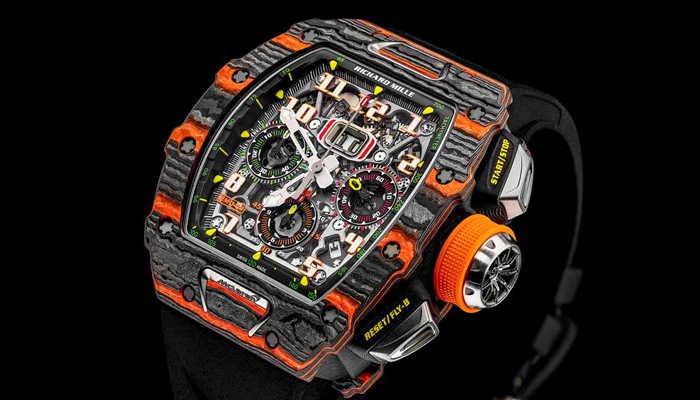
Historical Context: Founded in 2001 by Richard Mille, representing the new wave of ultra-modern luxury watchmaking.
French Pronunciation Guide:
“Richard”: In French, the “ch” is soft (like “sh”), not hard as in English
“Mille”: Pronounced “Meel” (one syllable), not “Mill” with two syllables
Why It’s Tricky: English speakers naturally want to pronounce “Richard” the English way and “Mille” as “Mill.” The correct pronunciation requires switching to French rules mid-name.
Expert Insight: “Richard Mille himself pronounces it with a very soft French ‘R’—almost silent. But for non-native speakers, ‘Ree-shar’ is perfectly acceptable,” says watch journalist Elizabeth Doerr.
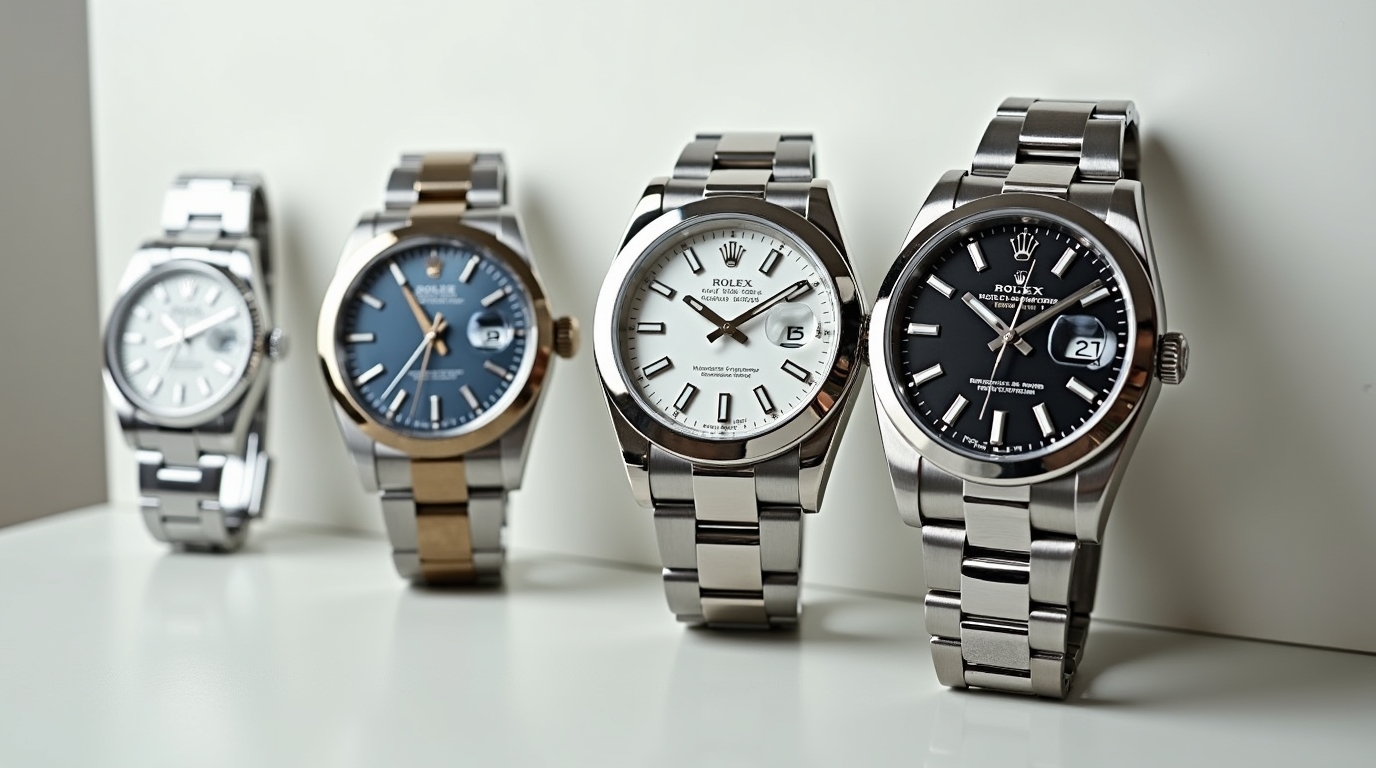
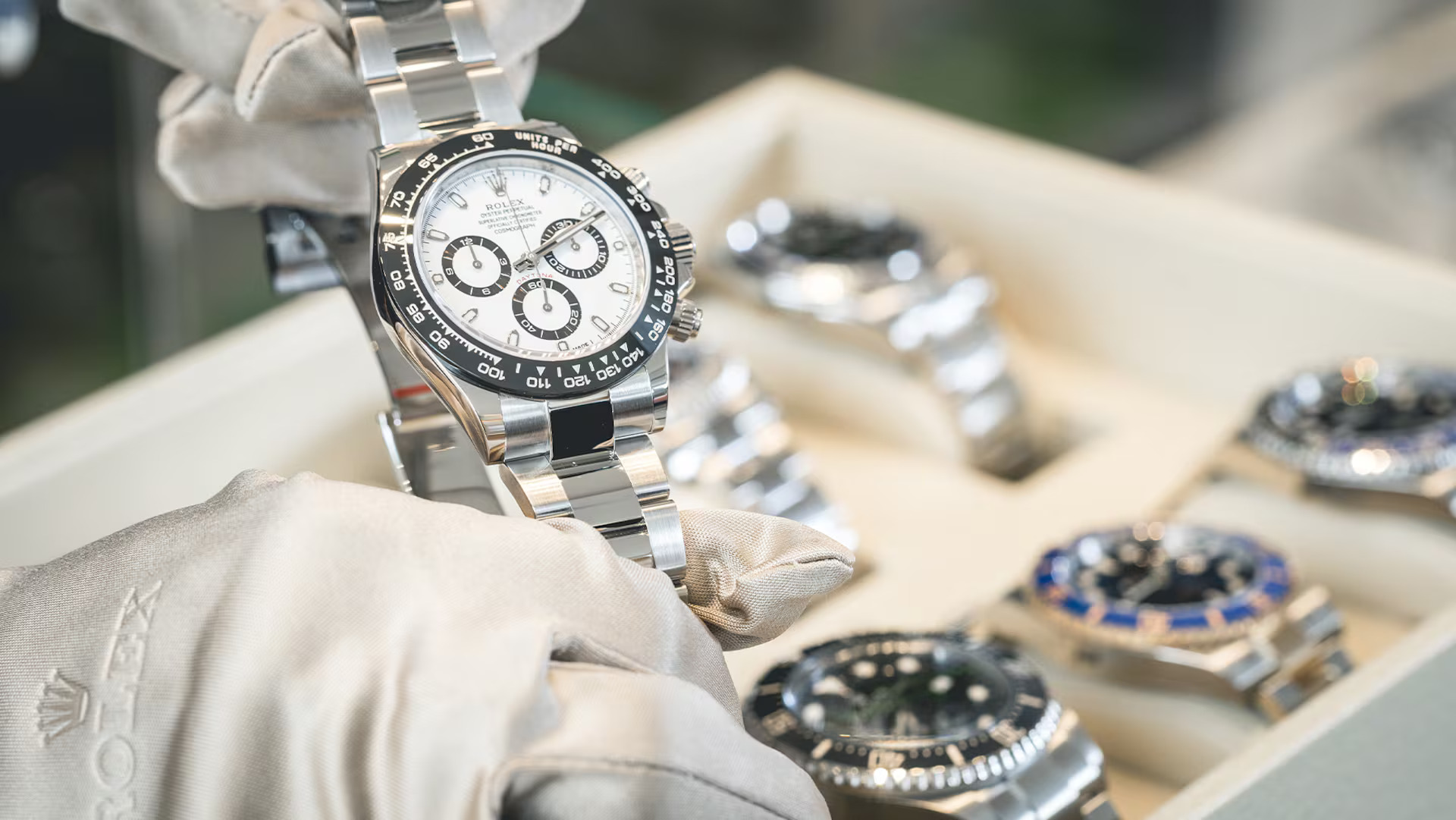
Historical Context: Founded in 1905 as Wilsdorf & Davis, renamed Rolex in 1908. The origin of the name is disputed—some say it was chosen because it’s easy to pronounce in any language.
Linguistic Simplicity: Unlike most luxury watch names, Rolex is intentionally straightforward. The “x” is pronounced as “x” (not “cks” or “gz”).
Common Mistakes: “Rolecks” (overcomplicating), “Rol-ex” (adding an extra syllable)
Expert Insight: “Hans Wilsdorf wanted a name that could be pronounced correctly the first time by anyone, anywhere in the world. That’s why it’s so simple,” explains Rolex historian James Dowling.
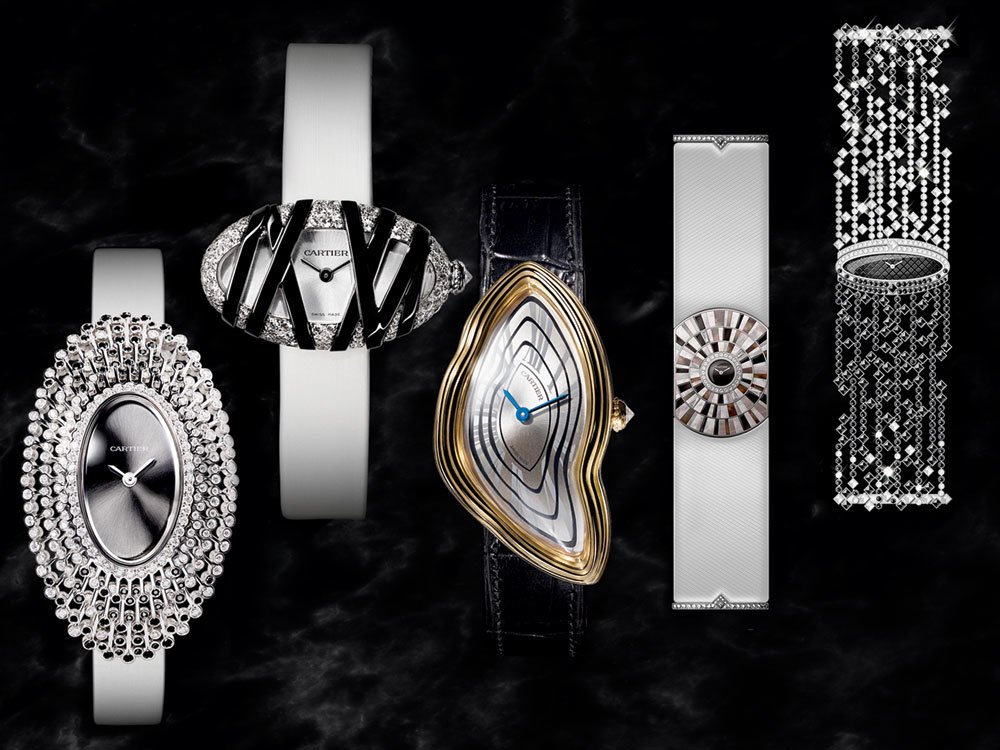
Historical Context: Founded in 1847 by Louis-François Cartier. While primarily a jewelry house, their watches are among the most iconic luxury timepieces.
French Pronunciation Nuances:
The “r” is soft and guttural (not rolled like in Spanish)
The “ier” ending is pronounced “ee-ay” (two syllables)
Regional Variations:
French: Car-tee-ay (soft “r”)
English: Often Car-tee-er (hard “r”)
American: Sometimes Car-dee-ay (flattened vowels)
Cultural Note: In French luxury circles, the soft “r” pronunciation is considered more sophisticated.
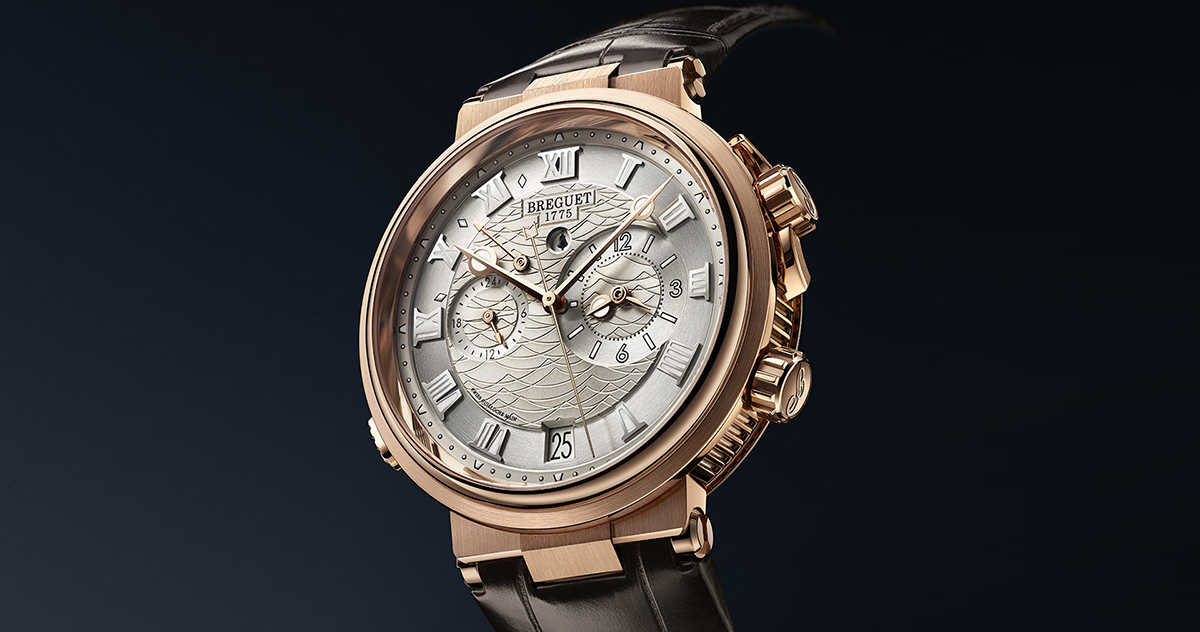
Historical Context: Founded in 1775 by Abraham-Louis Breguet, widely considered the greatest watchmaker of all time. He invented the tourbillon, among countless other innovations.
Historical Pronunciation: Abraham-Louis Breguet himself was Swiss-French, and his name has always been pronounced Bre-gay in horological circles.
Linguistic Details:
The “g” is soft (like “s” in “measure”)
The final “t” is silent
The stress falls on the second syllable: “bre-GAY”
Common Mistakes: “Breg-get” (hard “g”), “Breg-uet” (pronouncing the “t”)
Expert Insight: “Pronouncing Breguet correctly shows you know your watch history. It’s a litmus test for serious collectors,” says George Daniels’ protege, Roger Smith.
Watch official brand videos on YouTube to hear native pronunciations
Attend watch fairs and auctions to hear experts pronounce names in context
Download language apps like Forvo to hear native speakers pronounce brand names
Linguistic Patterns to Remember:
French Names: Soft consonants, nasal vowels, silent final letters
German Names: Hard consonants, umlaut vowels (ö, ü, ä), clear syllable separation
Italian Names: Pure vowels, all letters pronounced, stress on penultimate syllable
Context Matters:
In a boutique: Use the formal, correct pronunciation
Among collectors: Slight variations are acceptable if you’re close
In writing: Always spell names correctly (e.g., “Patek Philippe” not “Patek Phillipe”)
Expert Strategies:
Break it down: Practice each part separately before combining
Record yourself: Compare your pronunciation to native speakers
Use in sentences: “I admire the finishing on the Patek Philippe Calatrava”
When to Ask for Help:
If unsure, politely ask: “Could you help me with the correct pronunciation?”
Most boutique staff appreciate when customers show interest in proper pronunciation
Remember: It’s better to ask than to persistently mispronounce
Conclusion: Speak Watches with Confidence
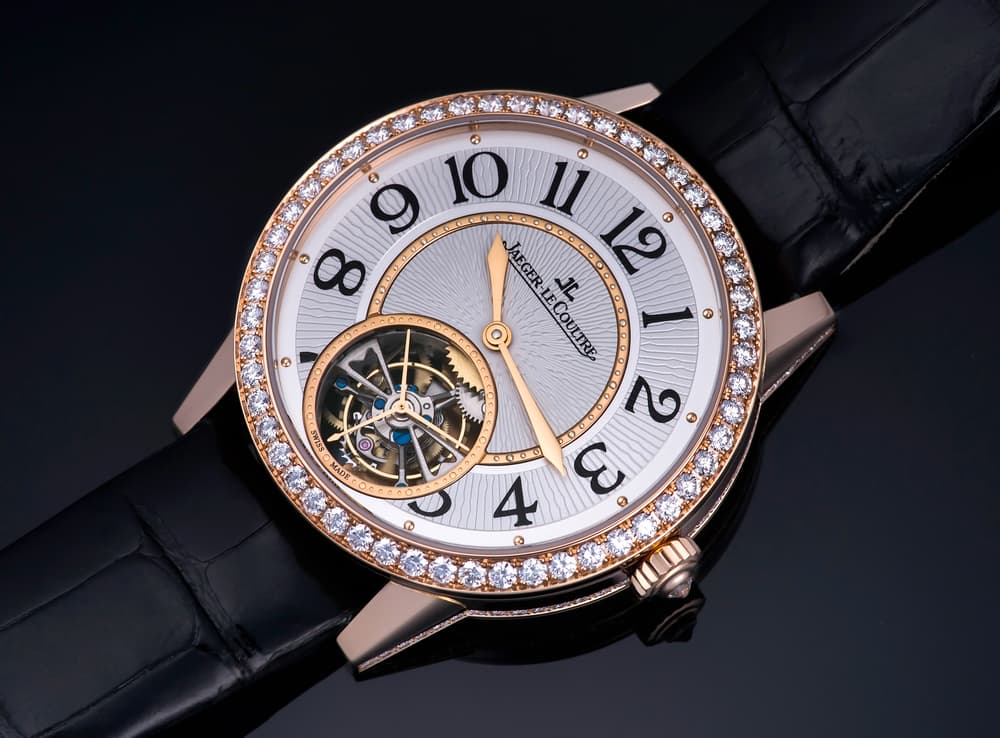
Mastering luxury watch pronunciation is more than a parlor trick—it’s your entry ticket into the global community of horological enthusiasts. When you correctly pronounce “A. Lange & Söhne” with the proper German umlaut or “Jaeger-LeCoultre” with the French “zh” sound, you’re not just saying words—you’re acknowledging centuries of craftsmanship, cultural heritage, and human ingenuity.The Final Word: According to Patek Philippe president Thierry Stern, “We appreciate when collectors take the time to learn our name correctly. It shows respect for our family’s legacy and the art of watchmaking.”Your Next Step: Practice these pronunciations, use them confidently, and join the conversation. Whether you’re discussing a vintage Vacheron Constantin at an auction or admiring a modern Richard Mille in a boutique, you’ll do so with the authority of someone who truly understands and respects the world of fine watchmaking.Which brand pronunciation will you master first? Share your journey in the comments below!