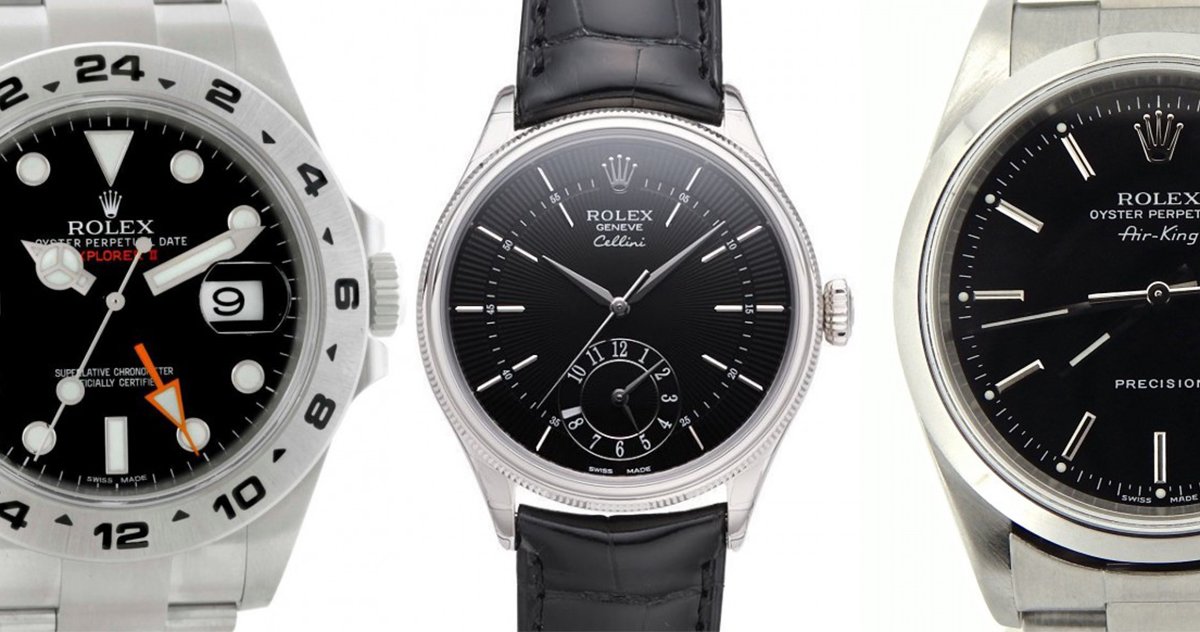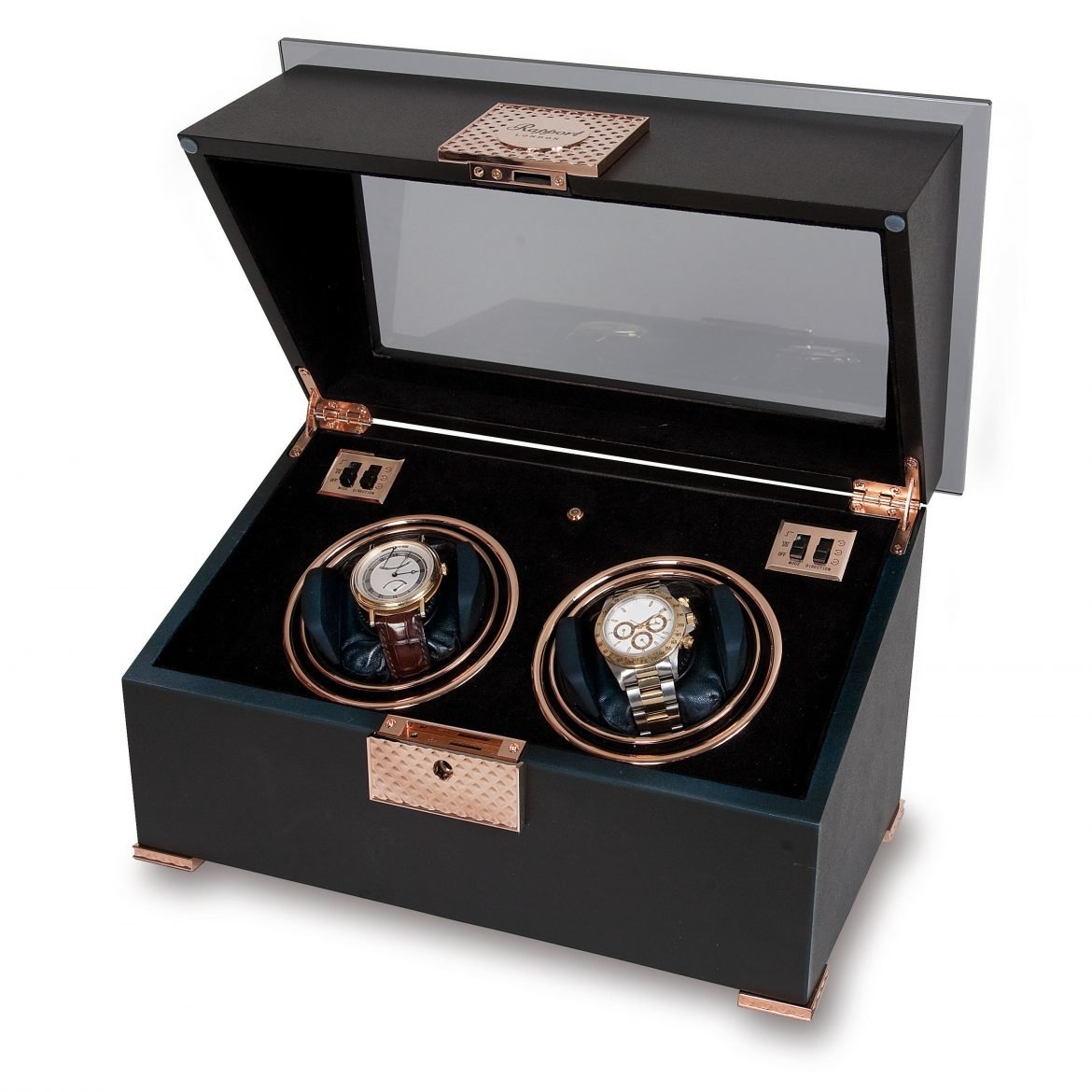

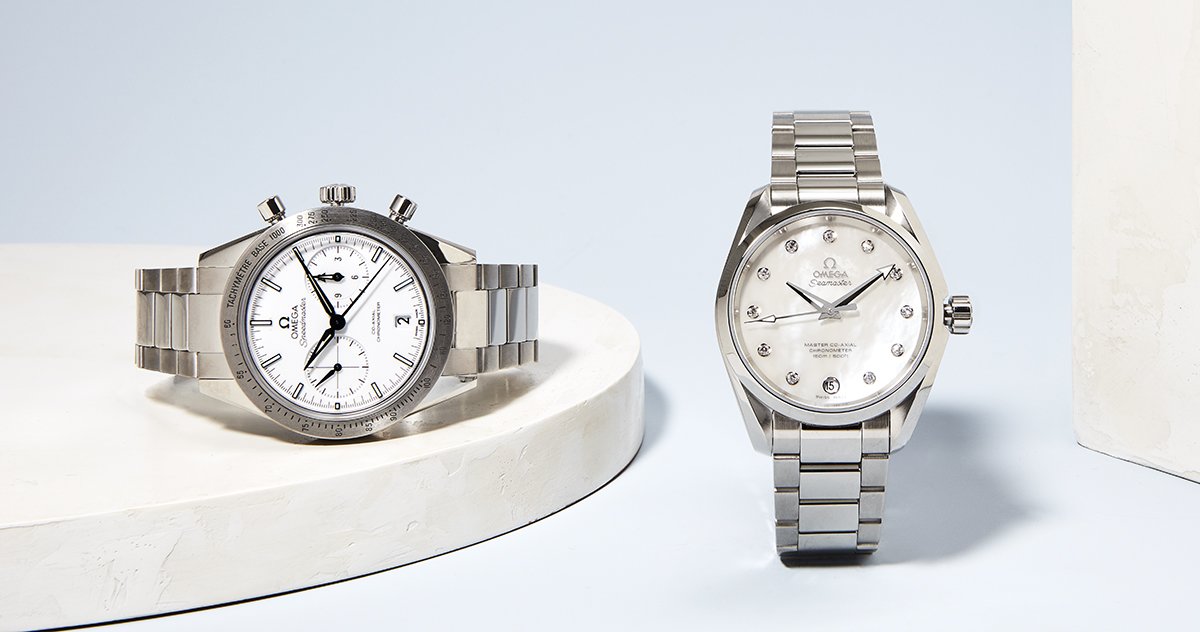

Have you ever noticed the phrase “17 jewel movement” on a watch and wondered what it means?
In the world of mechanical watches, “jewels” are not the sparkling gems you might imagine. Instead, they are tiny, synthetic gemstones—usually rubies—that play a critical role in keeping your watch ticking accurately. From their historical origins to their modern-day significance, jewels are a fascinating aspect of watchmaking that many enthusiasts and curious buyers want to understand.
This blog post will dive into the definition of jewels in watches, explain their function, explore their importance, and answer common questions about their role in timepieces. Whether you’re a watch collector or just curious, you’ll gain a clear understanding of why jewels matter.
Jewels Definition: What Are Jewels in Watches?
In the context of watches, jewels are small, synthetic gemstones—most commonly rubies—used as bearings within a mechanical watch’s movement. Unlike decorative gems in jewelry, these jewels serve a functional purpose. They act as low-friction surfaces where metal components, like gears and pivots, rotate, reducing wear and tear on the watch’s delicate parts.
- Historical Context: The use of jewels in watches began in the early 18th century when watchmakers discovered that natural gemstones, like sapphires and rubies, could reduce friction compared to metal bearings. By the 20th century, synthetic rubies became standard due to their affordability and consistency.
- Modern Use: Today, synthetic rubies are precision-crafted to exact specifications, ensuring durability and performance in watch movements.
What Do Jewels in a Watch Do? Their Function Explained
Jewels in watches serve as bearings, known as “jewelled bearings,” to minimize friction between moving parts in the movement. This reduction in friction has several key benefits:
- Improved Accuracy: By allowing gears and pivots to move smoothly, jewels help maintain consistent timekeeping.
- Enhanced Durability: Jewels are harder than metal, so they resist wear, extending the lifespan of the watch.
- Reduced Maintenance: Less friction means less oil degradation, reducing the frequency of servicing.
For example, in a typical mechanical watch, jewels are used in critical areas like the balance wheel, escapement, and gear train pivots. A “17 jewel watch” refers to a movement with 17 such bearings, a standard for reliable, mid-range mechanical watches.
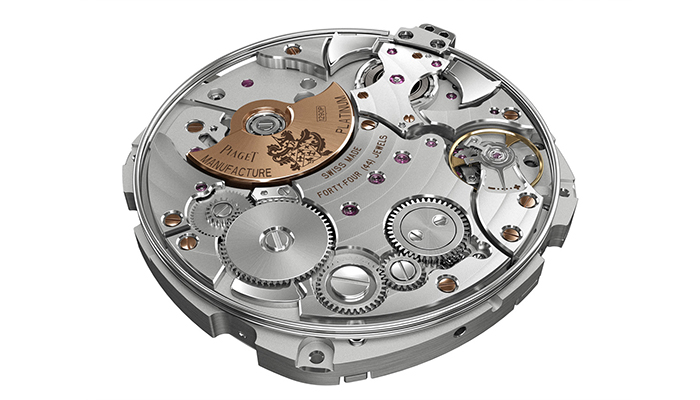
Why Do Watches Need Jewels? The Importance of Jewels
Jewels are essential in mechanical watches because they address the challenges of friction and wear in tiny, intricate mechanisms. Without jewels, metal-on-metal contact would cause rapid deterioration, leading to inaccurate timekeeping and frequent repairs. Here’s why they matter:
- Historical Significance: The introduction of jewel bearings in the 1700s by watchmakers like Nicolas Fatio de Duillier revolutionized the industry, making watches more reliable and portable.
- Modern Relevance: Even in today’s high-tech world, synthetic rubies remain the gold standard for watch bearings due to their hardness, smoothness, and resistance to temperature changes.
- Quality Indicator: The number of jewels in a watch often reflects the complexity of its movement. For instance, a 17-jewel movement is standard for basic automatic or manual watches, while high-end chronographs may have 25 or more jewels.
However, more jewels don’t always mean a better watch. Beyond a certain point (around 30–40 jewels), additional jewels may be decorative or used for marketing rather than functional purposes.
Is a Watch Considered Jewelry? Jewels vs. Jewelry
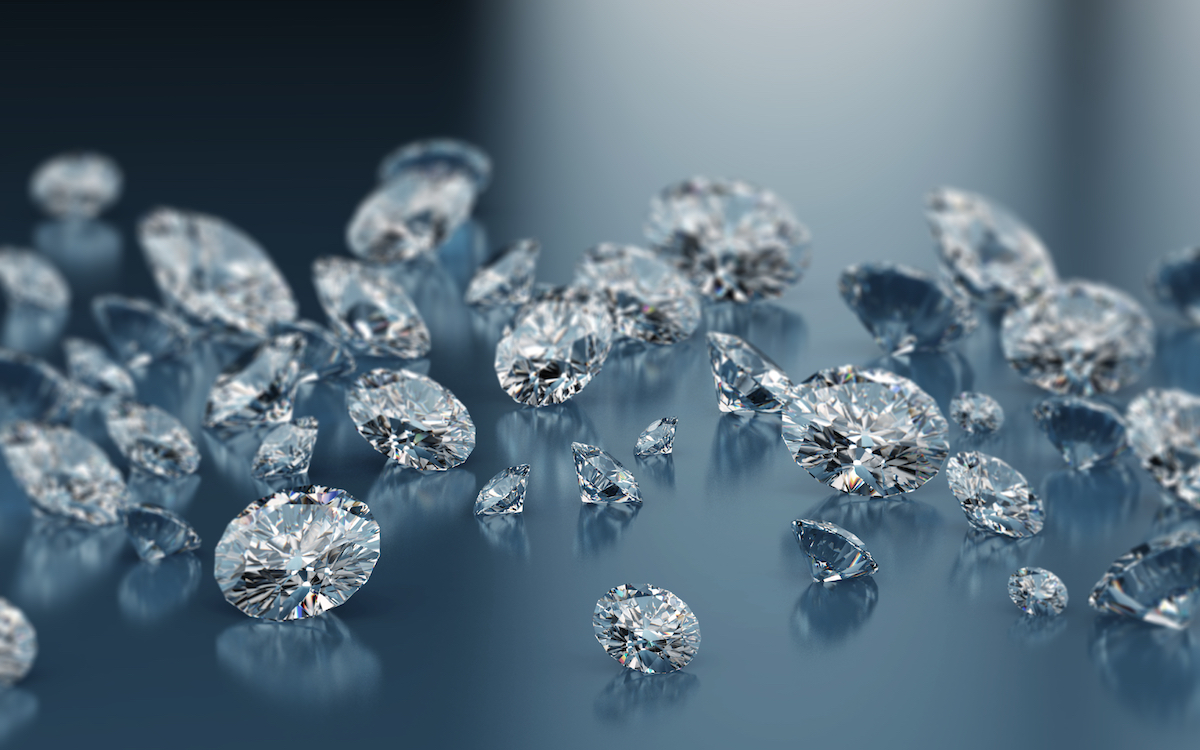
The question “is a watch considered jewelry?” often arises due to the term “jewels” in watches. While watches can be considered jewelry when adorned with precious stones or metals for aesthetic purposes (e.g., diamond-encrusted bezels), the jewels inside a watch’s movement are purely functional. Here’s the distinction:
- Functional Jewels: The synthetic rubies inside a watch are not visible and serve a mechanical purpose, not a decorative one.
- Decorative Jewelry: Watches with gemstones on the dial, case, or bracelet are considered jewelry, appealing to those seeking luxury and style.
- Dual Role: High-end watches, like those from Patek Philippe or Cartier, often combine functional jewels in the movement with decorative gems, blurring the line between timepiece and jewelry.
This distinction helps clarify why a “17 jewel watch” isn’t necessarily a piece of jewelry, despite the term “jewel.”
How Are Jewels Made for Watches?
The jewels used in watches are synthetic rubies, created through a process called the Verneuil method, developed in the late 19th century. This process involves:
- Melting Alumina: Aluminum oxide (the base material for rubies) is melted at extremely high temperatures.
- Crystal Formation: The molten material is slowly cooled to form a single crystal, which is then cut and polished into tiny, precise shapes for use as bearings.
- Precision Crafting: Modern watch jewels are manufactured to tolerances of a few micrometers, ensuring they fit perfectly within the movement.
Synthetic rubies are preferred over natural ones because they are cost-effective, uniform, and free of imperfections that could affect performance.
Conclusion
Jewels in watches are synthetic rubies used as bearings to reduce friction, improve accuracy, and enhance durability. From their historical origins in the 18th century to their modern role in mechanical movements, jewels are a cornerstone of watchmaking. Whether you’re curious about a “17 jewel watch” or wondering why watches need jewels, understanding their function reveals the ingenuity behind every tick.
The use of jewels in watches showcases the blend of science and artistry in horology, connecting us to centuries-old craftsmanship while embracing modern technology.
Do you own a watch with a jewel movement, or have questions about how they work? Share your thoughts in the comments below!