What Jewelry Can You Wear in the Shower? A Complete Guide to Shower-Safe Jewelry


If you’re someone who loves wearing jewelry every day and doesn’t want to take it off—even during a shower—this guide is for you. Not all jewelry is created equal when it comes to water exposure. Some metals and gemstones are more resilient than others, and knowing which pieces can handle moisture (and which should be removed) is key to keeping your jewelry looking beautiful for years to come.
In this article, we’ll explore:
- The truth about showering with different types of jewelry
- Which metals like platinum, stainless steel, gold, and silver are safe in the shower
- How to protect your jewelry from damage and tarnishing
- And why choosing shower-safe jewelry matters for both longevity and appearance
Let’s dive in!
Why Does Water Affect Jewelry?

Water itself may not seem harmful, but it often contains:
- Chlorine (from tap water)
- Hard minerals (calcium and magnesium)
- Salt (especially if you swim in pools or the ocean)
These elements can cause:
- Tarnishing (especially in silver)
- Corrosion (in lower-quality metals)
- Discoloration or fading (in plated jewelry)
- Weakening of prongs or settings (especially in delicate pieces)
So while some jewelry can handle a quick shower, others should be protected from even short-term water exposure.
What Jewelry Can You Wear in the Shower?
Here’s a breakdown of common jewelry materials and their safety in the shower:
Platinum
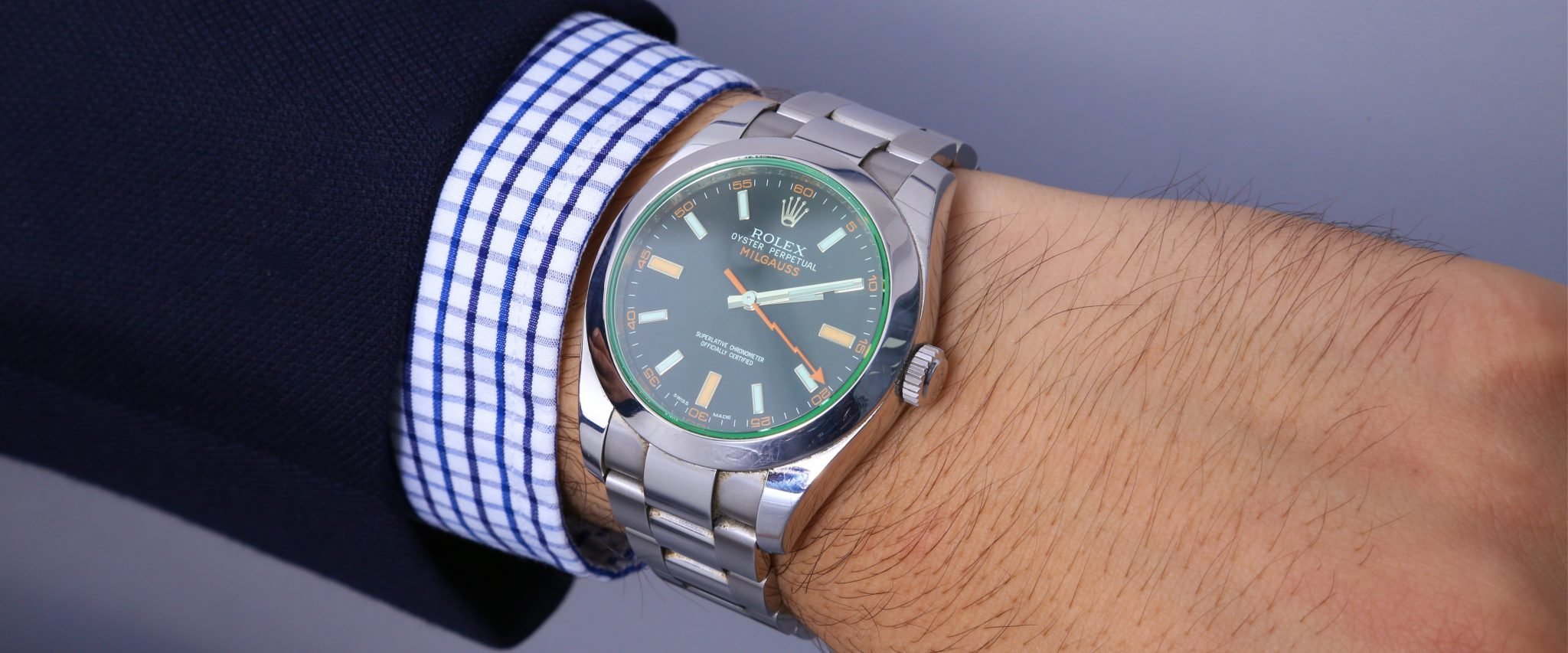
Platinum is one of the most durable and hypoallergenic metals used in fine jewelry. It is highly resistant to corrosion and tarnish , making it safe to wear in the shower .
However, even platinum can accumulate soap residue over time, so it’s still a good idea to remove it occasionally for cleaning.
Stainless Steel
Stainless steel is known for its corrosion resistance and durability , making it an excellent choice for everyday wear—including in the shower. Unlike other metals, it won’t rust or tarnish easily.
That said, avoid using harsh chemicals or abrasive cleaners directly on stainless steel jewelry to maintain its luster.
Gold (14K and above)
Solid gold, especially 14k gold and higher , is generally safe to wear in the shower . Pure gold is naturally resistant to tarnishing, though it can scratch or become dulled by soap or chlorine.
Gold-plated or gold-filled jewelry is not recommended for daily water exposure , as the plating can wear off over time.
Sterling Silver
Sterling silver is not ideal for shower use . While it’s beautiful and affordable, it is prone to tarnishing when exposed to water, especially chlorinated or saltwater. Frequent exposure can dull the metal and compromise the integrity of any stones or engravings.
To preserve sterling silver, it’s best to remove it before showering .
Gold Plated Jewelry
Gold-plated jewelry has a thin layer of real gold over a base metal. This type of jewelry is not suitable for shower use , as water can cause the plating to wear off quickly. Over time, the underlying metal may show through, leading to discoloration and potential skin irritation.
Diamond Earrings
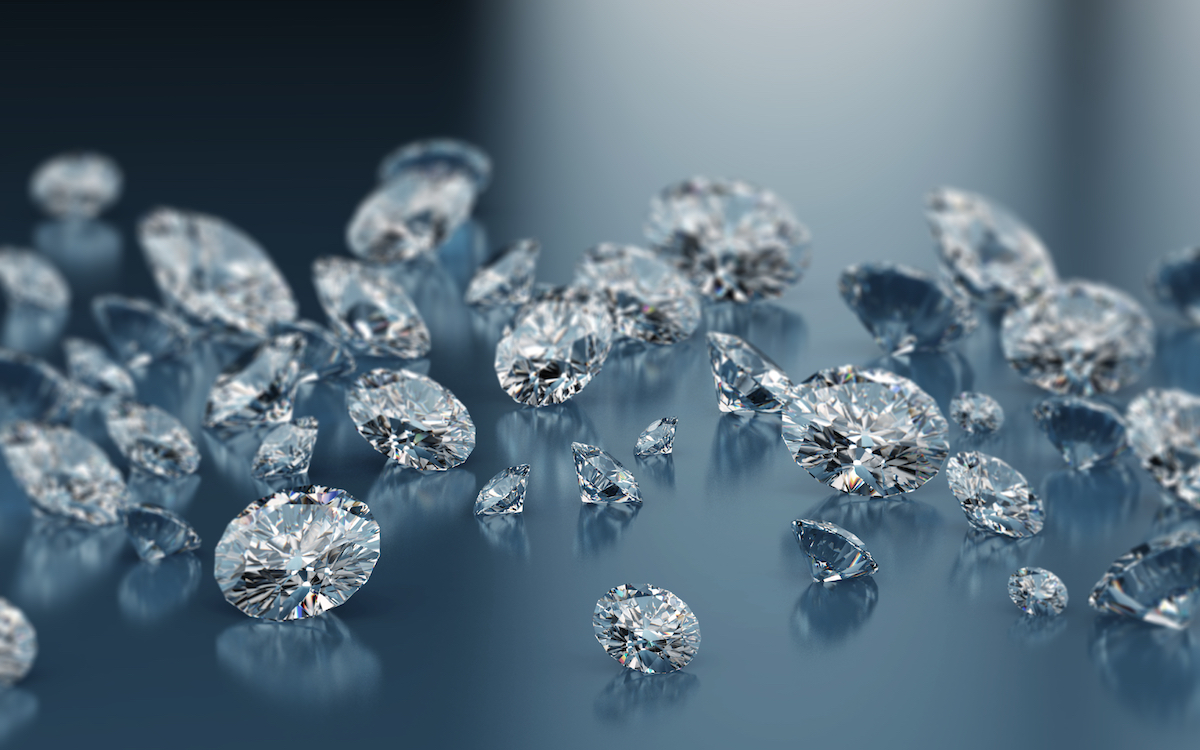
Diamonds are among the hardest natural substances on Earth and are resistant to scratches and damage . However, the metal setting (e.g., silver or gold) determines whether they’re safe for shower use.
- Diamond earrings in 14k gold or platinum : Safe to wear in the shower.
- Diamond earrings in silver or gold-plated settings : Best to remove before showering.
What Happens If You Don’t Remove Your Jewelry Before Showering?

Even small amounts of water can have long-term effects on your jewelry:
- Tarnishing: Especially in silver and gold-plated items.
- Corrosion: In less expensive metals.
- Discoloration: From chemical reactions with chlorine or lotions.
- Damage to gemstone settings: Water can seep into cracks and weaken the structure.
Over time, these issues can reduce the beauty and value of your jewelry.
How to Clean and Care for Your Jewelry After Showering
If you do choose to wear certain types of jewelry in the shower, here are some tips to keep them looking great:
- Rinse with clean water after exposure to chlorinated or saltwater.
- Dry thoroughly with a soft cloth to prevent water spots.
- Use a gentle jewelry cleaner for regular maintenance.
- Store in a dry, cool place when not in use.
- Avoid mixing jewelry with lotions, shampoos, or conditioners , as they can leave residues.
What Is “Shower-Safe” Jewelry?
“Shower-safe” jewelry refers to pieces that are specifically designed to withstand water exposure without damage. These include:
- Titanium
- Surgical steel
- Platinum
- 14k or higher solid gold
Investing in shower-safe jewelry is ideal for those who want to wear their accessories continuously without worrying about removal.
Final Tips for Keeping Your Jewelry Looking Its Best
- Always remove jewelry before swimming in pools or the ocean.
- Store jewelry separately to avoid scratching.
- Clean regularly with appropriate solutions.
- Inspect your jewelry for loose stones or worn prongs.
- Consider purchasing high-quality, durable options for everyday wear.
Ready to Elevate Your Jewelry Game?
At Cheap Replica Chanel Shoes Shop, we believe in combining style with practicality. Whether you’re shopping for diamond earrings , gold bracelets , or stainless steel rings , our collection offers timeless designs and durable materials that stand up to everyday life—including the shower.
Explore our range of shower-safe jewelry and find the perfect pieces that match your lifestyle and aesthetic.
Frequently Asked Questions (FAQ)
Q: Can you wear platinum in the shower?
A: Yes, platinum is highly resistant to corrosion and can safely be worn in the shower.
Q: Can you wear stainless steel in the shower?
A: Absolutely! Stainless steel is one of the most durable and waterproof metals for jewelry.
Q: Can you shower in sterling silver?
A: It’s not recommended, as silver is prone to tarnishing when exposed to water.
Q: Can you shower with 14k gold?
A: Yes, 14k gold is safe to wear in the shower due to its durability and resistance to tarnish.
Q: Can gold plated jewelry get wet?
A: No, gold-plated jewelry should be kept away from water to prevent peeling and discoloration.
Q: What jewelry can you wear in the shower?
A: Platinum, stainless steel, 14k gold, and titanium are all excellent choices for shower-safe jewelry.
Q: What jewellery you can wear in the shower?
A: Look for pieces made from durable, non-tarnishing metals like platinum, gold, or stainless steel.
Q: Can you shower with diamond earrings?
A: Yes, if the earrings are set in 14k gold or platinum. Avoid those in silver or gold-plated settings.