


Why Do Engagement Rings Go on the Left Hand? The Tradition Explained

Kiran R
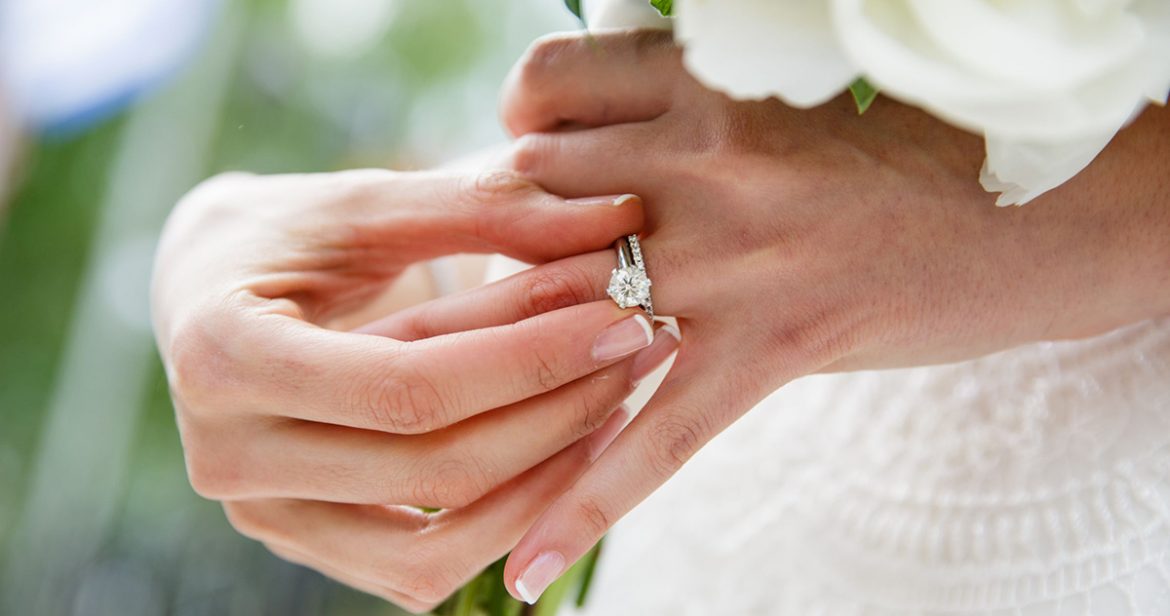

Did you know the tradition of wearing an engagement ring on the left hand dates back thousands of years?
In many Western cultures, including the USA, UK, and Canada, engagement rings are traditionally worn on the fourth finger of the left hand, also known as the ring finger. This practice has sparked curiosity for centuries, with people wondering why this specific finger and hand are chosen.
This blog post will explore the historical origins of this tradition, delve into cultural variations around the world, and discuss modern practices and personal choices. Additionally, we’ll address frequently asked questions to help you navigate this t.mes less custom.
II. What Hand Does an Engagement Ring Go On? The Basics
In many Western cultures, including the USA, UK, and Canada, engagement rings are traditionally worn on the fourth finger of the left hand, also known as the ring finger. This practice is deeply rooted in history and tradition, which we will explore in the following sections. The left-hand ring finger has become a universal symbol of engagement in these regions, signifying a commitment to marriage. However, as we’ll see, this isn’t a universal rule, and cultural differences play a significant role in determining ring placement.
III. Why Is the Engagement Ring on the Left Hand? Historical Origins
The tradition of wearing engagement rings on the left hand’s ring finger dates back to ancient Rome. The Romans believed that a vein, called the vena amoris or “vein of love,” ran directly from this finger to the heart. Although modern medicine has disproven this belief, the tradition has endured, symbolizing the connection between love and the heart. This romantic notion was so powerful that it shaped Western customs for centuries, making the left ring finger the preferred choice for engagement rings in countries like the USA, UK, and Canada.
IV. Engagement Rings for Women: Which Hand? Cultural Variations
While the left hand is common in the West, other cultures have different traditions:
| Country/Region | Engagement Ring Hand | Reason |
| USA, UK, Canada, France | Left hand | Ancient Roman “vein of love” tradition |
| Russia, India, Greece | Right hand | Right hand considered more auspicious |
| Germany, Norway, Denmark | Left before marriage, right after | Cultural preference |
| Jewish tradition | Right index finger (then moves to left) | Religious custom |
Key Takeaway: There’s no universal rule—cultural background and personal choice play a big role.
While the left hand is traditional in many Western cultures, other cultures have different practices. For example, in Russia, India, and several European countries such as Germany, Spain, Norway, and Denmark, engagement rings are often worn on the right hand. These variations stem from cultural and religious beliefs:
- In India, the right hand is considered more auspicious, making it a preferred choice for engagement and wedding rings.
- In Germany, the engagement ring is typically worn on the left hand before marriage but may be moved to the right hand after the wedding.
- In some Jewish traditions, the ring is placed on the right index finger during the engagement ceremony before being moved to the left ring finger afterward.
These differences highlight how deeply personal and cultural factors influence ring placement. Whether it’s the left or right hand, the ring remains a powerful symbol of love and commitment.
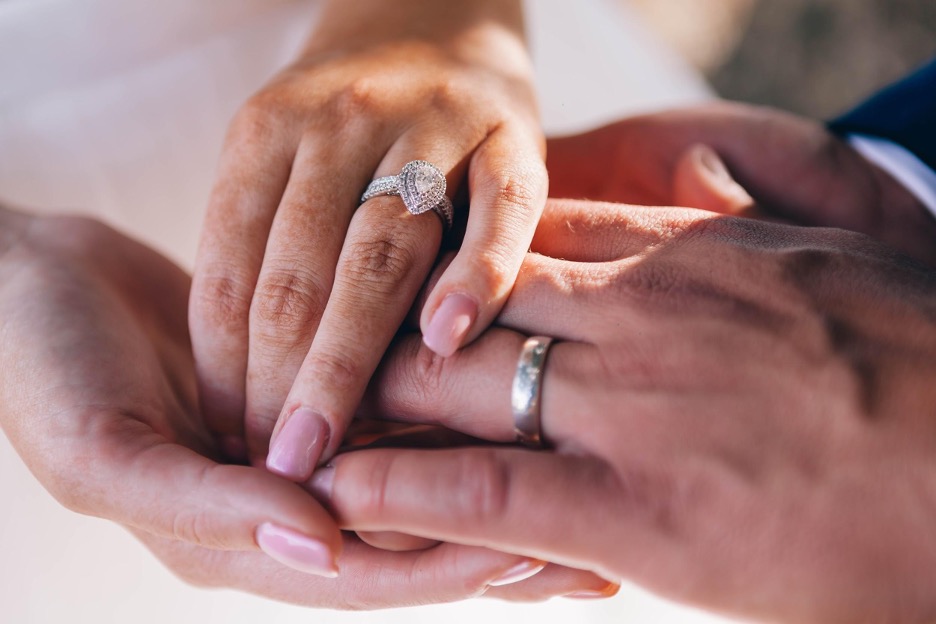
V. When Engaged, What Hand Is the Ring On? Modern Practices
In modern t.mes s, while the left hand remains the traditional choice for engagement rings in many cultures, there is increasing flexibility. Some couples choose to wear their engagement rings on their right hand for personal reasons, such as comfort, cultural significance, or aesthetic preference. For example, in countries like Russia and India, the right hand is often the default for engagement rings.
During the wedding ceremony, it is common for the engagement ring to be moved to the right hand temporarily to allow the wedding band to be placed on the left ring finger, closest to the heart. After the ceremony, many couples move the engagement ring back to the left hand to wear it alongside the wedding band, often stacking them with the wedding band closer to the heart. However, some choose to keep the engagement ring on the right hand or wear the rings on different fingers, reflecting personal style or cultural traditions.
VI. Frequently Asked Questions About Engagement Ring Placement
Can I Wear My Engagement Ring on My Right Hand?
Yes, you can! While the left hand is traditional in many Western cultures, there is no strict rule. Some people choose to wear their engagement ring on their right hand for personal, cultural, or comfort reasons. This is common in countries like Russia, India, and parts of Europe, where the right hand is preferred for engagement and wedding rings. Ultimately, the choice is yours, and it should reflect what feels right for you.
What If I’m Left-Handed?
If you are left-handed, you might prefer to wear your engagement ring on your right hand. This can be more comfortable and practical, especially if you use your left hand frequently for activities that could damage or dirty the ring, such as writing, sports, or manual work. There’s no rule against switching hands, and many left-handed individuals opt for the right hand to protect their ring.
How Do Same-Sex Couples Wear Their Engagement Rings?
Same-sex couples often follow the same traditions as opposite-sex couples, wearing their engagement rings on the left ring finger in Western cultures. However, some may choose to personalize their ring placement based on individual preferences, cultural backgrounds, or symbolic meanings. For example, since same-sex marriage became widely recognized, many LGBTQ+ couples choose the traditional left ring finger, but others may opt for the right hand or different fingers to reflect their unique story.
Are There Any Superstitions About Wearing the Ring on the Wrong Hand?
Some cultures have superstitions about wearing rings on the “wrong” hand, such as beliefs that wearing a wedding or engagement ring on the right hand might bring bad luck. However, these are myths and not based on fact. The choice of which hand to wear your ring on is a personal one, and modern couples are encouraged to prioritize what feels meaningful to them over outdated superstitions.
How Should I Wear My Engagement and Wedding Rings Together?
Traditionally, after the wedding, the wedding band is worn closest to the heart on the left ring finger, with the engagement ring placed on top. This symbolizes the wedding band’s precedence as the ultimate symbol of marriage. However, some people choose to wear them in a different order, on different fingers, or even on different hands, depending on their preference. For example, some may solder the rings together to wear as a single piece, while others keep them separate for versatility.
VII. Conclusion
The tradition of wearing engagement rings on the left hand’s ring finger is deeply rooted in history, stemming from ancient Roman beliefs about the “vein of love.” However, this tradition varies across cultures, with some countries preferring the right hand due to cultural or religious significance. In modern t.mes s, there is increasing flexibility, allowing couples to choose based on personal preference, comfort, or cultural background.
These traditions connect us to history while allowing for personal expression. Whether you follow the classic left-hand placement or create your own custom, the engagement ring remains a powerful symbol of love and commitment.
We’d love to hear about your engagement ring stories and any unique traditions you’ve encountered. Share your experiences in the comments below!