
What Is a Dress Watch? The Ultimate Guide to Classic Men’s Dress Watches, Features, and Styling in 2026

Kiran R
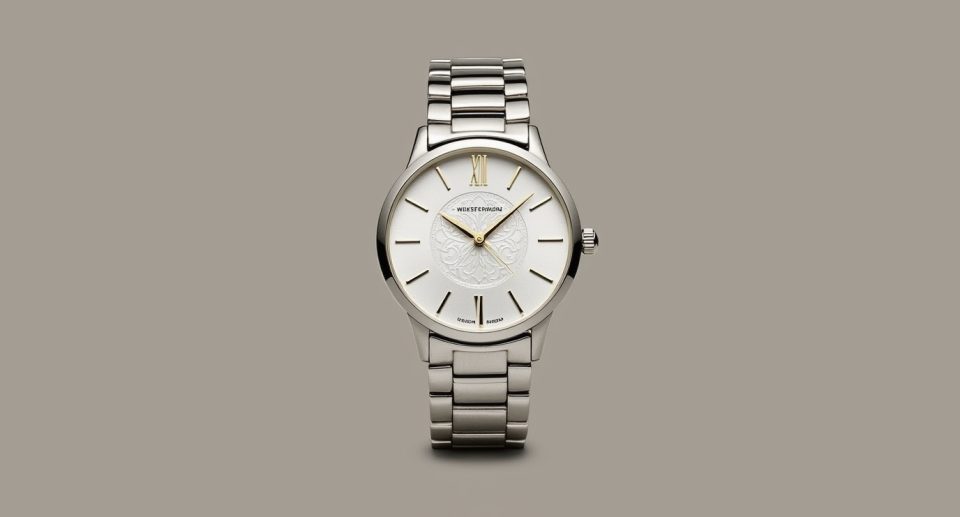

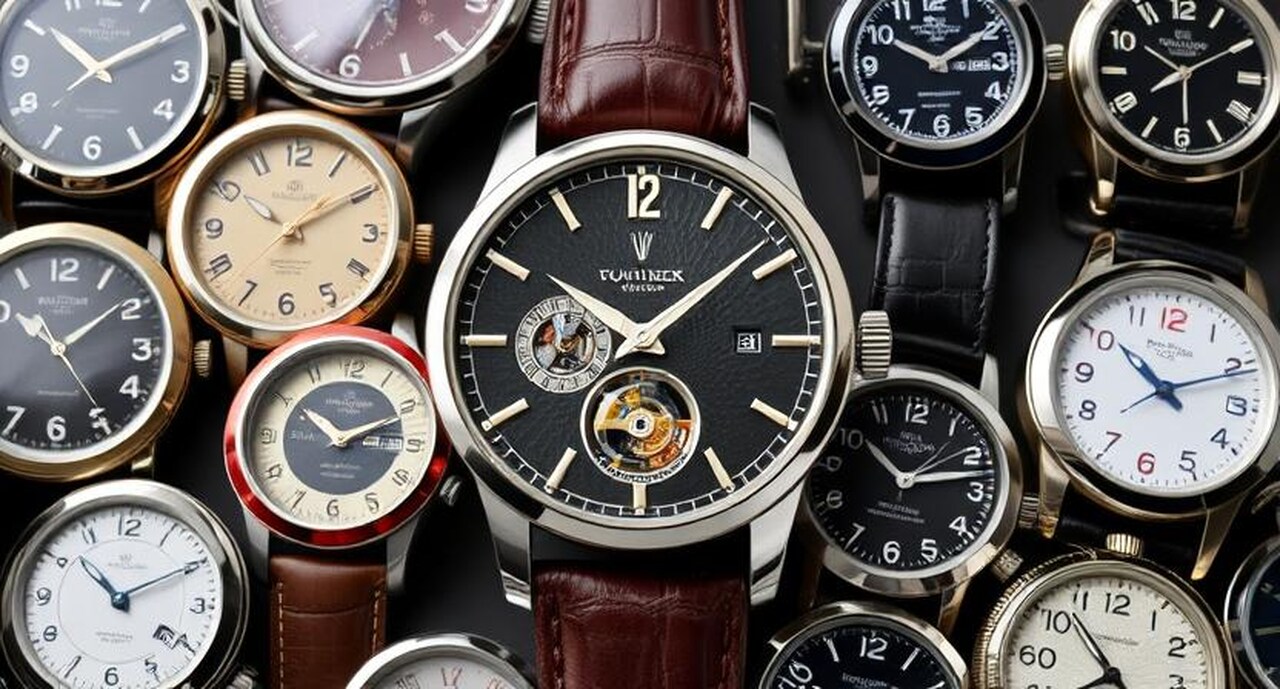
Let’s be honest: in a world of chunky dive watches and smartwatches buzzing with notifications, the dress watch can feel like a quiet rebel. It doesn’t shout. It doesn’t track your heart rate or survive a 300-meter plunge. It simply is—elegant, understated, and effortlessly confident. A true dress watch isn’t about showing off; it’s about showing up well. It’s the t.mes piece that slips beneath your shirt cuff and whispers refinement while the rest of the world shouts for attention.
This style didn’t just happen overnight. Back in the 1920s and ’30s, wristwatches were still fighting for respect. Pocket watches were the gentleman’s choice; strapping a t.mes piece to your wrist felt almost… casual. Pioneers like Cartier and Patek Philippe changed that by crafting impossibly thin watches that disappeared under tailored cuffs—proving you could wear a watch on your wrist and still look like you knew what you were doing. Nearly a century later, that same philosophy holds: a dress watch complements your outfit without competing with it. And in our increasingly casual world? That intentionality feels more refreshing than ever.
What Actually Makes a Dress Watch a Dress Watch?
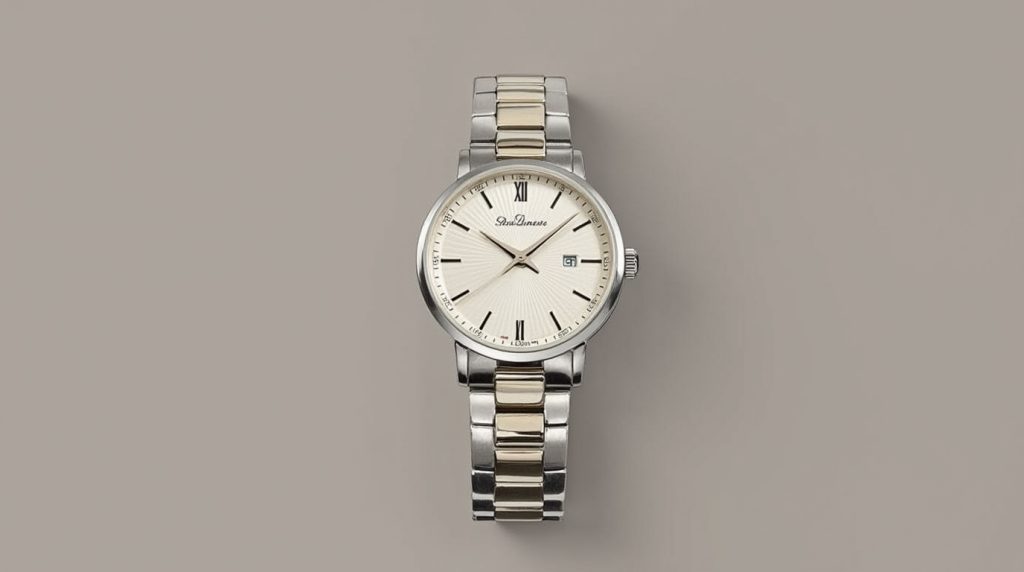
You’ll see brands slap “dress watch” on anything slim these days—but real dress watches follow a few quiet rules. Think of them less as rigid requirements and more as a shared language of restraint:
Slimness isn’t optional—it’s everything.
A proper dress watch should be under 9mm thick. Why? Try sliding a 12mm sports watch under a French cuff somet.mes . I’ll wait. Yeah—it catches, bulges, and rides your sleeve up like it’s trying to escape. A true dress watch glides under effortlessly. The masters of this art—like Piaget with their Altiplano line—go even thinner (some under 7mm) not for show, but because they understand that elegance lives in the details nobody sees… until they do.
Size matters less than proportion.
Yes, vintage dress watches ran 34–36mm. And yes, modern wrists have grown. But here’s what actually matters: does the watch sit on your wrist or over it? A 40mm watch that’s only 8mm thick can feel dressier than a chunky 36mm piece. The real test? Look down at your wrist. If the case spills past your wrist bone, it’s drawing attention to itself—and that’s the opposite of what a dress watch should do.
The dial should breathe.
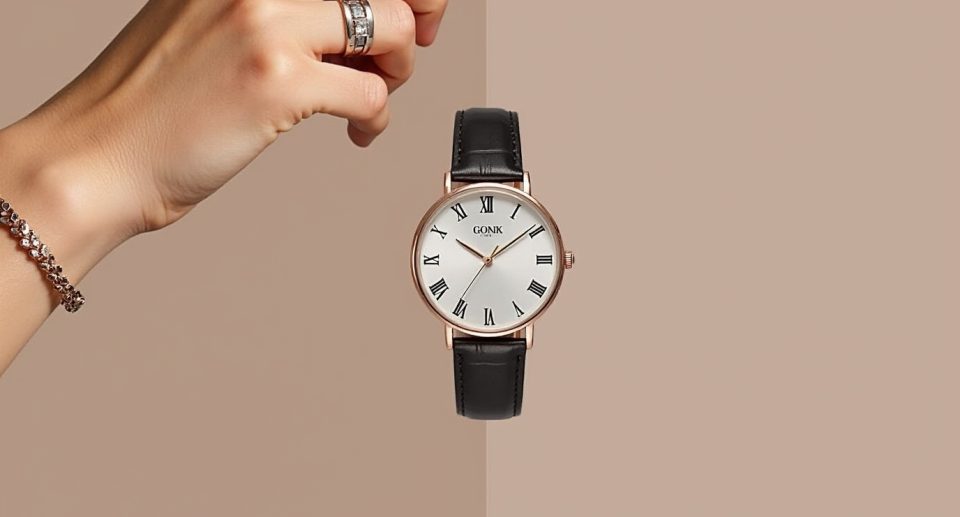
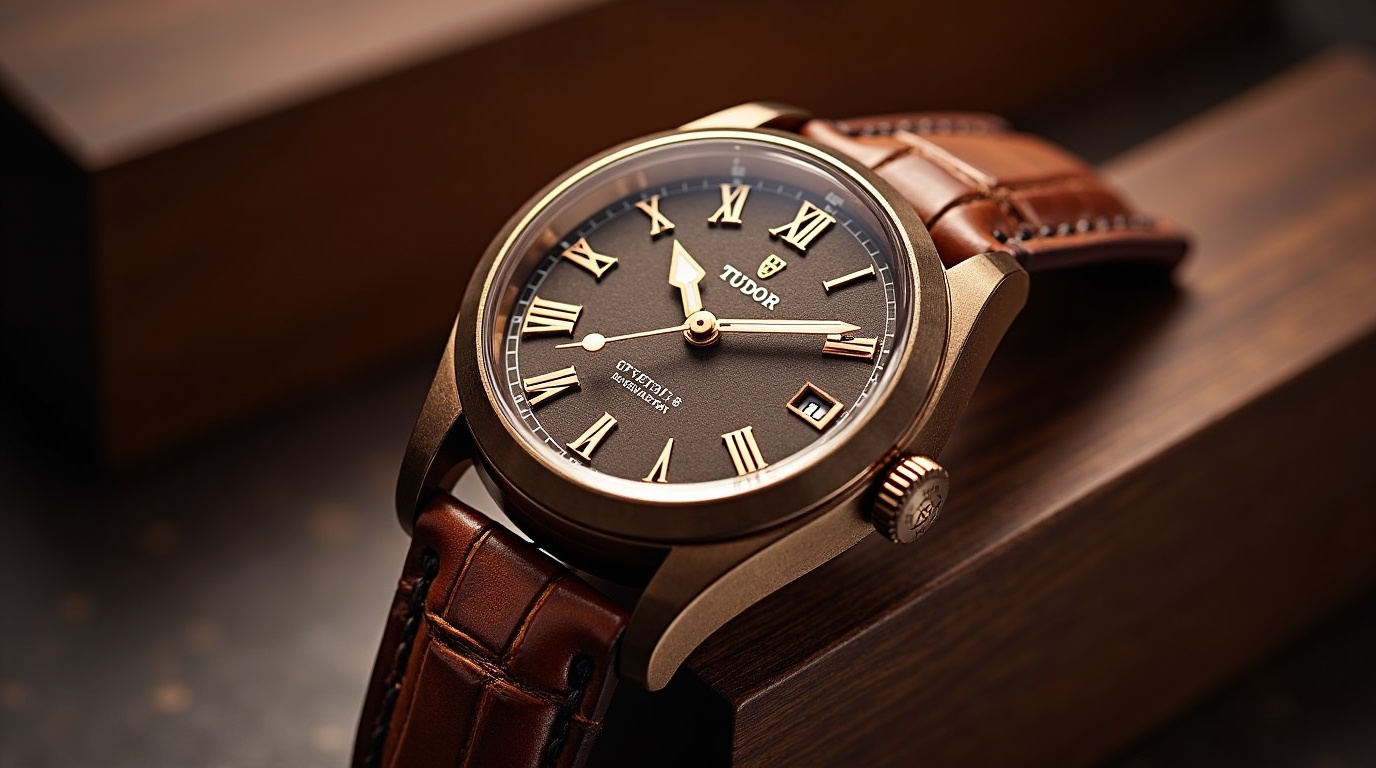
No racing stripes. No glowing lume plots. No chronograph subdials cluttering the landscape. Just clean markers (Roman numerals, batons, or elegant applied indices), graceful hands (think leaf or dauphine shapes), and maybe—maybe—a discreet date at 6 o’clock. Moonphases and power reserves can work if executed with restraint, but a chronograph? Sorry. That’s like wearing hiking boots with a tuxedo. Functionally capable, aesthetically confused.
Straps should feel like an extension of the watch.
Smooth leather—calf, alligator, shell cordovan—in black, dark brown, or burgundy. Thin (2–2.5mm), subtly tapered, with minimal stitching. And please, skip the rubber or NATO straps. Metal bracelets? Almost always a no… except when they’re not. The Cartier Tank Louis Cartier pulls off an integrated bracelet with such finesse that it becomes part of the watch’s elegance rather than a sporty afterthought. But that’s Cartier. For the rest of us? Stick with leather.
Finishing should catch light, not eyes.
Polished cases—not brushed—because a soft gleam harmonizes with suit fabrics. Fixed bezels, never rotating. Modest crowns that won’t snag on your cuff. It’s all about creating a seamless silhouette. Think of it like tailoring: the best suits don’t announce their craftsmanship; they simply fit.
When (and When Not) to Wear One
Here’s where a lot of guys get tripped up. A dress watch isn’t an everyday beater—and that’s okay. It has its moments:
Black tie events: Ultra-thin, t.mes -only, black strap. No date window. Let the watch stay hidden under your cuff until you deliberately check the t.mes —a small gesture of quiet confidence.
Boardroom meetings: A conservative 38mm piece with a silver dial and simple date works beautifully. It says you pay attention to detail without trying too hard.
Business casual Fridays: This is where modern “daily dress watches” shine—think Nomos Tangente or a slimmer Seiko Presage. Slightly larger (39mm), maybe 50m water resistance for practicality, but still minimalist enough to pair with chinos and an unstructured blazer.
Skip it when: You’re hitting the gym, gardening, swimming, or doing anything where your sleeves ride up or impacts are likely. Dress watches have delicate crystals and thin cases. They weren’t built for punishment—and that’s not a flaw. It’s a feature.
Dress Watch vs. Casual Watch: What’s the Real Difference?
It’s not just about looks—it’s about purpose. A dive watch wants to get wet. A field watch expects to get knocked around. A dress watch? It expects to be treated like the well-dressed guest at a dinner party: respected, but not fussed over.
| Feature | Dress Watch | Casual/Sports Watch |
| Water resistance | 30–50m (splash-proof) | 100m+ (actually swim-proof) |
| Lume | Barely there or none | Bright green/blue for visibility |
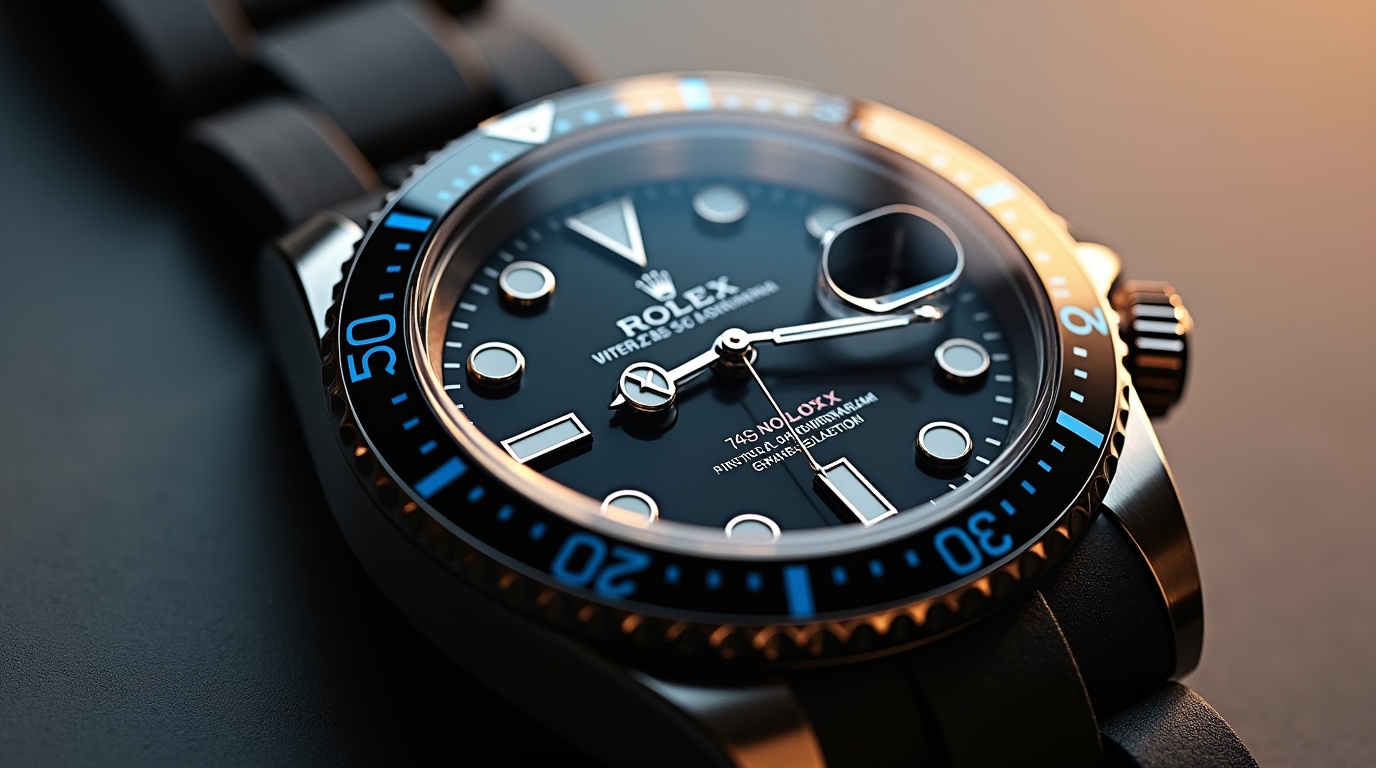
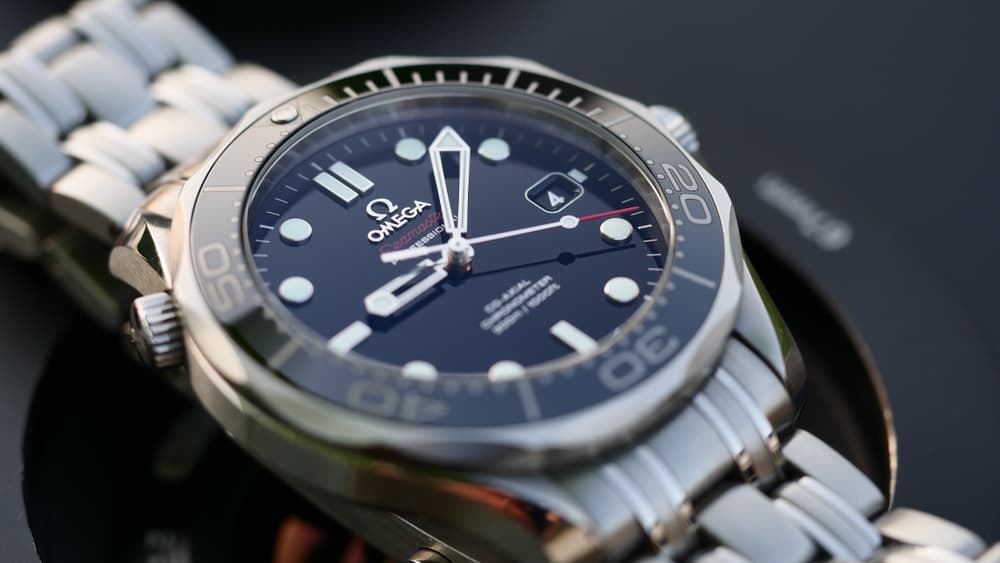
| Bezel | Fixed, polished | Rotating, marked for timing |
| Strap | Thin leather | Bracelet, rubber, fabric |
| Vibe | “I belong here” | “I’m ready for anything” |
Gray areas exist—watches like the Jaeger-LeCoultre Master Ultra Thin or Grand Seiko Elegance models bridge the gap with dressy aesthetics and just enough robustness for daily wear. But the rule holds: if it’s built to survive adventure, it’s not a true dress watch. And that’s perfectly fine. Different tools for different moments.
The Shirt Cuff Question: Under or Over?
Ah, the eternal debate. Here’s the short answer: under the cuff for dress watches. Always.
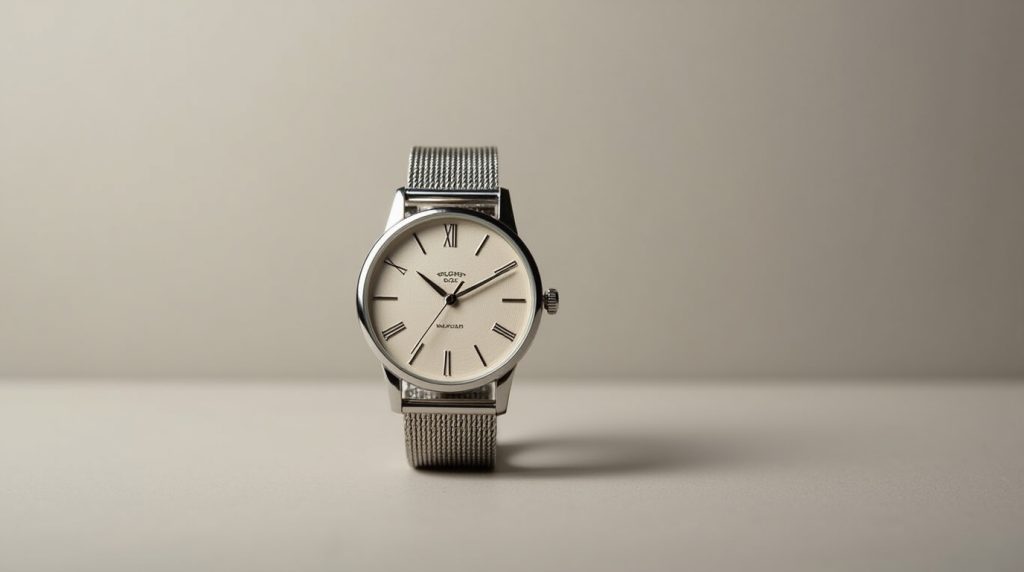
When your arm hangs naturally at your side, your shirt cuff should cover the watch. Only when you gesture—reaching for a handshake, glancing at the t.mes —does it peek out. That subtle reveal is the whole point. It’s not hiding; it’s being discreet.
A quick test before you buy: put on your dress shirt, fasten the cuff, and try sliding your hand through. If the watch catches or forces the fabric to stretch? It’s too thick. Period. French cuffs (with cufflinks) are especially unforgiving—they offer less clearance than standard barrel cuffs. If you live in French cuffs, aim for cases under 8.5mm.
And about sleeve length: your jacket sleeve should hit right at the wrist bone. Your shirt cuff should extend just half an inch beyond it. The watch sits beneath that exposed cuff. Result? A clean line, zero bulging, and that satisfying moment when someone notices your watch only after you’ve made a point—not before.
Classics Worth Knowing (At Every Budget)
You don’t need to drop five figures to own a proper dress watch. Here are the standouts:
Under $1,000
- Seiko Presage Sharp Edged (~$700): Japanese craftsmanship with textured dials that catch light beautifully. Feels far more expensive than it is.
- Hamilton Jazzmaster (~$850): Swiss automatic movement, vintage-inspired elegance, and that satisfying heft on the wrist.
- Tissot Le Locle (~$750): Guilloché dial, sapphire caseback showing off the movement—quiet luxury done right.
$1,000–$3,500
- Nomos Tangente (~$1,900): Bauhaus minimalism at its purest. Hand-finished in Glashütte, Germany, with in-house movements. The thinking person’s dress watch.
- Christopher Ward Twelve (~$1,100): British design, Swiss movement, and a quick-change strap system that makes formal/casual transitions effortless.
The Icons ($3,500+)
- Cartier Tank (~$3,500+): The original. Rectangular case, Roman numerals, blued steel hands. Still unmatched after 100+ years.
- Patek Philippe Calatrava (~$25,000+): The reference point. Ultra-refined, impossibly balanced, and the watch other dress watches are measured against.
- Vacheron Constantin Patrimony (~$22,000+): For when thinness meets finishing so perfect it borders on obsessive.
Little Things That Make a Big Difference
- Strap taper matters. A 20mm lug should flow smoothly to an 18mm—or even 16mm—at the buckle. Abrupt jumps look cheap.
- Dial color harmony: Silver/white dials with navy or gray suits; black dials with charcoal; champagne with earth tones. No hard rules—but avoid a stark white dial against a bright white shirt. It screams “I didn’t think this through.”
- Date windows: Purists skip them for black tie. For daily wear? A small aperture at 6 o’clock feels less disruptive than the traditional 3 o’clock placement. Or go t.mes -only—it’s surprisingly liberating.
- Metal matching: Your watch case doesn’t need to exactly match your cufflinks, but avoid clashing finishes (brushed steel watch with high-polish gold cufflinks). Warm tones with warm tones, cool with cool—that’s usually enough.
One Watch or Two? Building Your collects ion
If you’re starting out, one versatile piece does the job:
→ 38–39mm case, under 9mm thick, silver dial, black leather strap, simple date.
Something like a Nomos Tangente or Seiko Presage covers business meetings, dinners, and even black tie (with a strap swap to black alligator). Keep it simple.
If you’re deeper into watches? Consider two:
- An ultra-thin formal piece (<8mm) reserved for black tie and milestone events.
- A “daily dress” watch (39mm, 50m WR) for office wear that won’t panic if you wash your hands.
Why This All Still Matters
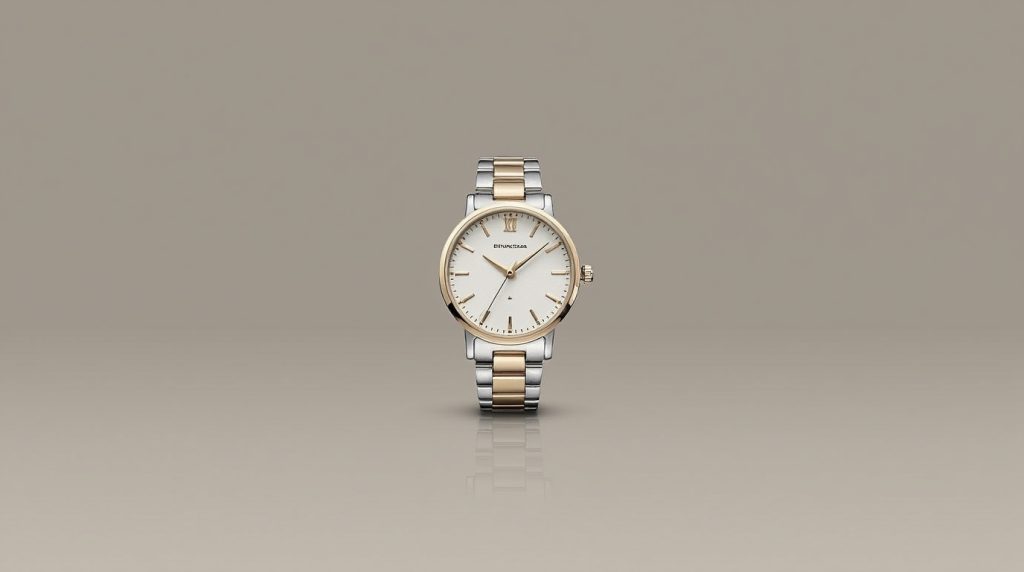
In an age of logos s, notifications, and constant visibility, choosing a dress watch is a small act of rebellion. It says: I don’t need to announce my presence. I trust my choices to speak quietly—and be heard anyway.
That’s the real magic of a great dress watch. It’s not about telling t.mes better than your phone. It’s about carrying yourself with intention. About understanding that somet.mes s, the most powerful stat.mes nt is the one you almost don’t make.
As the legendary watchmaker George Daniels once put it: “A watch should be a pleasure to own and a joy to wear.” No category lives up to that ideal quite like the dress watch. It asks for nothing but good taste—and in return, gives you a lifet.mes of quiet confidence on your wrist. And honestly? In a noisy world, that restraint might just be the ultimate luxury.