Skeletonized Watches: The Ultimate Guide to Exposed Movement.mes chanics

Kiran R

1. Introduction: The Art of Seeing t.mes in Motion
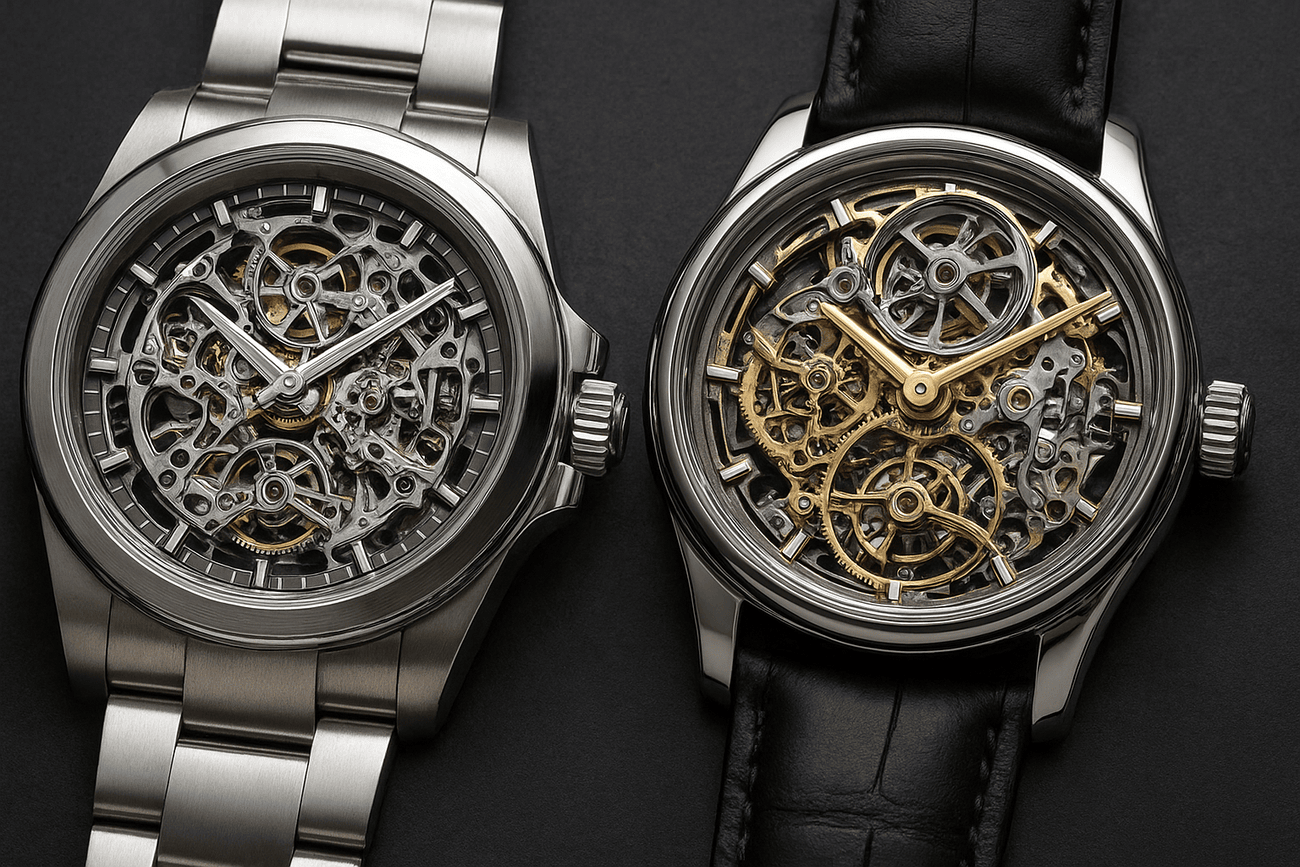
In the world of horology, few creations capture the imagination quite like skeletonized watches. These mesmerizing t.mes pieces transform the intricate dance of gears, springs, and levers into visual poetry, revealing what most watches keep hidden. Understanding the skeletonized meaning goes beyond appreciating aesthetics – it’s about recognizing the pinnacle of watchmaking craftsmanship where every component is both functional and beautiful. From the moment you first gaze through the crystal of an exposed mechanism watch, you’re witnessing horology’s most transparent expression: a mechanical heart beating openly on your wrist. This guide will decode the artistry, engineering, and enduring appeal of these transparent marvels that turn t.mes keeping into theater.
2. What Is a Skeleton Watch? Decoding the Exposed Movement
2.1 Skeletonized Meaning: More Than Just a See-Through Watch
The skeletonized meaning transcends simple transparency. While many assume it.mes rely means “see-through,” true skeletonization is an art form that removes excess material from movement components while preserving structural integrity and function. Unlike basic exhibition backs that offer limited views, a fully skeletonized watch reveals its entire mechanical soul through both front and back crystals. The skeletonized definition emphasizes this deliberate artistic and engineering process – it’s not about showing what’s inside, but about making the inside itself a work of art. This distinction separates true skeleton watches from ordinary t.mes pieces with display backs.
2.2 Key Features: Identifying True Skeleton Watch Movements
Authentic skeleton watch movements share distinctive characteristics that set them apart from conventional watches:
- Openworked plates: Main plates and bridges feature decorative cutouts that form patterns while maintaining structural support
- Engraved components: Even hidden surfaces receive meticulous finishing, typically with Geneva stripes or perlage
- Minimalist design: Non-essential metal is removed, creating a lightweight, airy appearance
- 360° visibility: The movement is visible through both front crystal (dial side) and case back
- Decorative function: Every component serves both mechanical purpose and aesthetic appeal
These features collects ively define what makes a skeletonized movement fundamentally different from a standard movement with a simple display window.
2.3 Open Dial vs. Skeletonized: Understanding the Differences
Many collects ors confuse open dial watches with true skeletonized pieces, but the distinction is crucial:
| FEATURE | OPEN DIAL WATCHES | SKELETONIZED WATCHES |
| Movement | Standard with dial cutouts | Specifically designed for openness |
| Visibility | Partial (front only) | Complete (front and back) |
| Craftsmanship | Basic finishing | Artisan-level decoration |
| Purpose | Show movement partially | Make movement the centerpiece |
| Complexity | Low to moderate | High to very high |
While an open dial watch might offer glimpses of gears through dial apertures, it lacks the comprehensive artistry and engineering of a true skeletonized piece where the movement itself becomes the dial.
3. The Mechanics of Skeletonization: How Exposed Movements Are Crafted
3.1 The Art of Skeletonization: From Solid to See-Through
Creating a skeletonized watch movement is one of horology’s most demanding processes, requiring equal parts artistry and engineering. It begins with a standard movement that watchmakers meticulously transform:
- Design phase: Artists map out which metal can be safely removed without compromising structural integrity
- Rough cutting: CNC machines or traditional handsaws remove bulk material according to the design
- Fine finishing: Each surface receives decoration – anglage, perlage, engraving – even in hidden areas
- Assembly: The skeletonized components are reassembled with microscopic precision
The result is a skeletonized movement that’s 30-50% lighter than its solid counterpart while maintaining full functionality. This transformation turns a mechanical tool into kinetic sculpture.
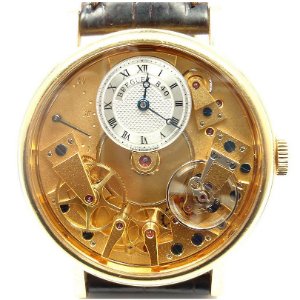
3.2 Skeleton Movement Techniques: Hand-Engraving vs. Machine Cutting
The creation of skeleton movements involves two primary approaches, each with distinct characteristics:
Hand-Engraved Skeletonization:
- Process: Master engravers use burins and gravers to manually cut away material
- t.mes required: 100-200 hours per movement
- Characteristics: Organic, flowing patterns; each piece unique
- Cost: $5,000-$20,000 premium over standard movements
- Examples: Vacheron Constantin’s Métiers d’Art, Patek Philippe’s skeletonized calibers
Machine-Cut Skeletonization:
- Process: CNC machines follow digital designs to precisely remove material
- t.mes required: 10-20 hours per movement
- Characteristics: Geometric, repeatable patterns; consistent across pieces
- Cost: $500-$2,000 premium over standard movements
- Examples: Hublot’s Big Bang Skeleton, TAG Heuer’s Carrera Calibre Heuer 02T
While machine-cut skeleton movements make the style more accessible, hand-engaved pieces represent the pinnacle of traditional craftsmanship.
3.3 Why Exposed Mechanisms Require Superior Craftsmanship
Creating exposed mechanism watches demands exceptional skill because every component is visible and subject to scrutiny:
- No hiding imperfections: Unlike standard movements where flaws remain hidden, skeletonization exposes every surface
- Structural challenges: Removing material creates stress points that must be reinforced through clever engineering
- Decorative consistency: Even microscopic components must match the aesthetic theme
- Functional reliability: The movement must maintain precision despite its modified structure
This is why exposed mechanism watches from brands like Roger Dubuis or Richard Mille command such high prices – they represent horological virtuosity where engineering meets artistry at the highest level.
4. Anatomy of a Skeleton Watch: Visible Movement Components
4.1 The Skeleton Watch Dial: Framing the Mechanical Ballet
The skeleton watch dial serves as both functional element and artistic frame, playing a crucial role in these transparent t.mes pieces:
- Minimalist design: Traditional dials are replaced by chapter rings or appliqué markers to maximize movement visibility
- Layered construction: Multiple levels create depth and highlight specific components
- Material choices: Often made from sapphire, transparent composites, or skeletonized metal rings
- Integration with movement: The dial becomes part of the overall design rather than covering it
In exceptional pieces like the Breguet Classique Tourbillon Extra-Plat, the skeleton watch dial is so minimal it appears almost invisible, allowing the movement to take center stage.
4.2 Key Components You’ll See in Exposed Movements
When examining a visible movement watch, several key components become the stars of the show:
| COMPONENT | FUNCTION | VISUAL APPEAL |
| Balance Wheel | Heart of the t.mes keeping system | Oscillating rhythm, often gold |
| Escapement | Controls energy release | Lever and wheel interaction |
| Gear Train | Transmits power throughout movement | Interlocking teeth in motion |
| Barrel and Mainspring | Stores and releases energy | Large, circular, often decorated |
| Tourbillon Cage | Compensates for gravity effects | Rotating carriage, mesmerizing |
These components, when skeletonized, transform from functional parts into kinetic sculptures. In a watch with visible movement, the balance wheel’s steady oscillation becomes the focal point, drawing the eye into the mechanical dance.
4.3 Open Skeleton Watch Design: Balancing Aesthetics and Function
Designing an open skeleton watch requires careful balance between visual appeal and practical functionality:
- Legibility considerations: Despite the openness, t.mes must remain easily readable
- Structural integrity: The open design must not compromise durability or water resistance
- Aesthetic hierarchy: Important components should be highlighted while secondary elements recede
- Wearability: The watch must remain comfortable despite its complex construction
Brands like Hublot excel at this balance, creating open skeleton watches where the movement’s architecture is both visually striking and mechanically robust. Their “Art of Fusion” philosophy combines traditional skeletonization with modern materials like carbon fiber and ceramic, proving that form and function can coexist beautifully.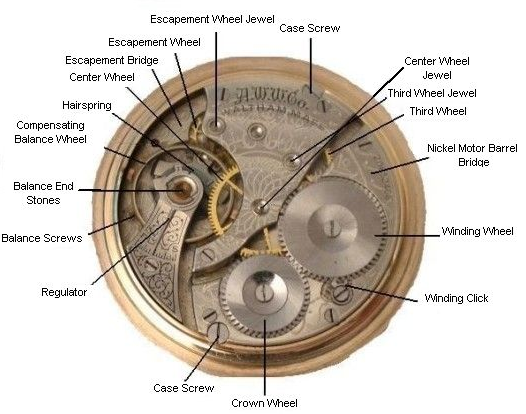
Watch Deisgn
5. The Evolution of Skeletonized Watches: From Pocket to Wrist
5.1 Historical Roots: Early Skeletonized Pocket Watches
The skeletonized tradition dates back to the 18th century when pocket watchmakers began creating “openwork” pieces for wealthy clients:
- 1760s: Abraham-Louis Breguet created some of the first skeletonized pocket watches for royal patrons
- 1800s: English and Swiss watchmakers produced elaborate skeletonized movements as demonstration pieces
- Early 1900s: Skeletonization became a showcase of craftsmanship at world fairs and exhibitions
These early skeletonized pieces were not.mes ant for daily wear but rather as horological demonstrations – proof of a watchmaker’s skill. They often featured intricate engravings of floral patterns, religious scenes, or mythological figures, turning the movement into a canvas for artistic expression.
5.2 Modern Renaissance: The Rise of Exposed Mechanism Luxury
The late 20th century saw exposed mechanism watches evolve from curiosities to luxury essentials:
- 1970s: Audemars Piguet’s Royal Oak and Patek Philippe’s Nautilus introduced integrated bracelet sports watches with visible movements
- 1980s: The quartz crisis forced mechanical watchmakers to emphasize craftsmanship, making skeletonization more popular
- 1990s: Brands like Franck Muller and Roger Dubuis built their identity around elaborate skeletonized designs
- 2000s: Skeletonization became mainstream, with even entry-level luxury brands offering exposed movements
This renaissance transformed exposed mechanism watches from niche oddities to symbols of horological sophistication.
5.3 Today’s Innovations: Contemporary Skeleton Watch Movements
Modern skeletonized watch movements push the boundaries of both engineering and art:
- Ultra-thin skeletonization: Piaget’s Altiplano Ultimate Automatic measures just 4.30mm thick while being fully skeletonized
- 3D: Richard Mille uses tonneau-shaped cases and skeletonized movements that create depth perception
- Material innovation: Hublot combines traditional skeletonization with carbon fiber, ceramic, and sapphire
- Digital integration: Some contemporary skeleton watches incorporate smart features while maintaining mechanical transparency
These innovations prove that skeletonized watch movements continue to evolve, combining centuries-old techniques with cutting-edge technology to create t.mes pieces that are both historically significant and futuristically bold.
6. Why collects ors Crave Skeletonized Watches: Value & Appeal
6.1 The Visual Allure: Why Exposed Movements Captivate
The primary appeal of visible movement watches lies in their hypnotic visual impact:
- Kinetic art: Unlike static paintings, skeleton watches offer constantly changing visual interest
- Mechanical poetry: Observing the precise interaction of components creates appreciation for engineering excellence
- Transparency as luxury: In an age of digital anonymity, mechanical transparency represents authenticity and confidence
- Conversation starters: These watches inevitably draw questions and admiration from both novices and experts
collects ors often describe the experience of owning a visible movement watch as having a miniature mechanical universe on their wrist – one that’s both intellectually stimulating and aesthetically captivating.
6.2 Craftsmanship Premium: What Makes Skeletonized Watches Valuable
The value of skeletonized t.mes pieces stems directly from their exceptional craftsmanship:
- Labor intensity: A hand-skeletonized movement requires 100-300 hours of specialized work
- Skill scarcity: Few artisans possess the expertise to create high-quality skeletonized movements
- Material costs: The precious metals used are more expensive due to the additional finishing required
- Rarity: True skeletonized pieces are produced in limited quantities compared to standard watches
This craftsmanship premium explains why skeletonized watches from brands like Greubel Forsey or Vacheron Constantin can command prices exceeding $100,000 – they represent the pinnacle of traditional watchmaking artistry.
6.3 Open Skeleton Watches as Investment Pieces
Open skeleton watches have proven to be sound investments for several reasons:
- Enduring appeal: The visual fascination with mechanical movements remains strong even in digital t.mes s
- Craftsmanship appreciation: As mechanical skills become rarer, well-executed skeletonization gains value
- Brand prestige: Skeleton pieces from top brands represent the absolute best those manufacturers can produce
- Limited production: Many skeletonized models are made in small quantities, creating scarcity
Historical data shows that exceptional open skeleton watches from respected brands have appreciated 5-15% annually over the past decade, outperforming many traditional luxury investments. This makes them not just beautiful possessions but also wise financial considerations for serious collects ors.
7. Caring for Your Skeleton Watch: Maintenance Essentials
7.1 Cleaning Exposed Movements: Special Considerations
Maintaining exposed mechanism watches requires special care due to their open construction:
- Avoid direct contact: Never touch the movement directly; oils from skin can damage components
- Soft brush cleaning: Use a soft, dry brush to remove dust particles from the movement
- Compressed air: Short bursts of compressed air can dislodge debris, but maintain distance to avoid damage
- Professional cleaning: Every 3-5 years, have the movement professionally cleaned and lubricated
The open nature of exposed mechanism watches makes them more susceptible to dust and moisture ingress, requiring more frequent attention than standard watches.
7.2 Protecting Delicate Skeletonized Components
The intricate components of skeletonized movements demand special protection:
- Storage: Keep in a watch box with cushioned compartments to prevent accidental impacts
- Wearing: Avoid activities that might subject the watch to sudden shocks or vibrations
- Environment: Protect from extreme temperatures, humidity, and magnetic fields
- Insurance: Due to their value and fragility, ensure adequate insurance coverage
Remember that the same openness that makes skeletonized movements beautiful also makes them vulnerable – each component is exposed and potentially at risk.
7.3 Servicing Your Visible Movement Watch
Regular servicing is essential for maintaining both the value and function of visible movement watches:
- Frequency: Every 3-5 years for manual wind, every 5-7 years for automatic
- Specialized service: Only entrust to watchmakers experienced with skeletonized movements
- Documentation: Maintain complete service records to preserve provenance and value
- Cost expectation: Budget $500-$2,000 for professional servicing, depending on complexity
Proper maintenance ensures that your visible movement watch continues to function flawlessly while retaining its visual and mechanical integrity for generations.
Conclusion: The Enduring Fascination with Skeletonized t.mes pieces
From understanding the skeletonized meaning to appreciating the artistry of exposed mechanism watches, these transparent t.mes pieces represent horology’s most honest expression. In an age where so much is hidden and digital, skeletonized watches proudly display their mechanical souls – turning the intricate dance of gears and springs into wearable art. Whether you’re captivated by the mesmerizing skeleton watch dial, the precision of the visible movement, or the sheer craftsmanship required to create such transparent marvels, these t.mes pieces continue to fascinate collects ors and enthusiasts alike.
The enduring appeal of skeletonized watches lies in their perfect blend of form and function – they are simultaneously precise t.mes keeping instruments and kinetic sculptures. As watchmaking continues to evolve, the art of skeletonization remains a test.mes nt to human ingenuity and the t.mes less fascination with mechanical beauty. In every tick of a skeletonized watch, we witness not just the measurement of t.mes , but the celebration of the mechanical poetry that makes horology one of humanity’s most enduring art forms.