Rolex vs. Cartier: A Definitive Guide to Two Luxury Watch Giants in 2025

Kiran R

In 2025, the pre-owned luxury watch market is booming, with Rolex and Cartier leading the charge. Search trends reveal relentless curiosity about these brands, from “Rolex vs. Cartier” debates to questions like “Is Cartier better than Rolex?” This guide dives into their design philosophies, investment potential, and cultural relevance , helping you decide which brand aligns with your style, values, and budget.
1. Brand Heritage: Centuries of Craftsmanship
Rolex: The Pinnacle of Precision Since 1908
Founded by Hans Wilsdorf, Rolex revolutionized horology with innovations like the first waterproof wristwatch (1926) and the self-winding Perpetual rotor (1931) . Today, Rolex remains synonymous with tool watches (e.g., Submariner, Daytona) and technical mastery.
- 2025 Spotlight: Vintage Rolex models like the “Paul Newman” Daytona continue to shatter auction records, selling for over $5 million .
Cartier: The Jeweler of Kings Since 1847
Cartier’s legacy as a jeweler predates its watchmaking fame. Its first wristwatch, the Santos-Dumont (1904) , was designed for aviation pioneer Alberto Santos-Dumont. Cartier’s watches blend artistic flair with horological excellence, often featuring gemstones and avant-garde designs.
- 2025 Spotlight: The Crash watch —a surrealist design from the 1960s—is experiencing a revival, with pre-owned models appreciating 20–25% annually .
2. Design Philosophy: Bold Utility vs. t.mes less Artistry
Rolex – Rugged Elegance for the Everyday Explorer
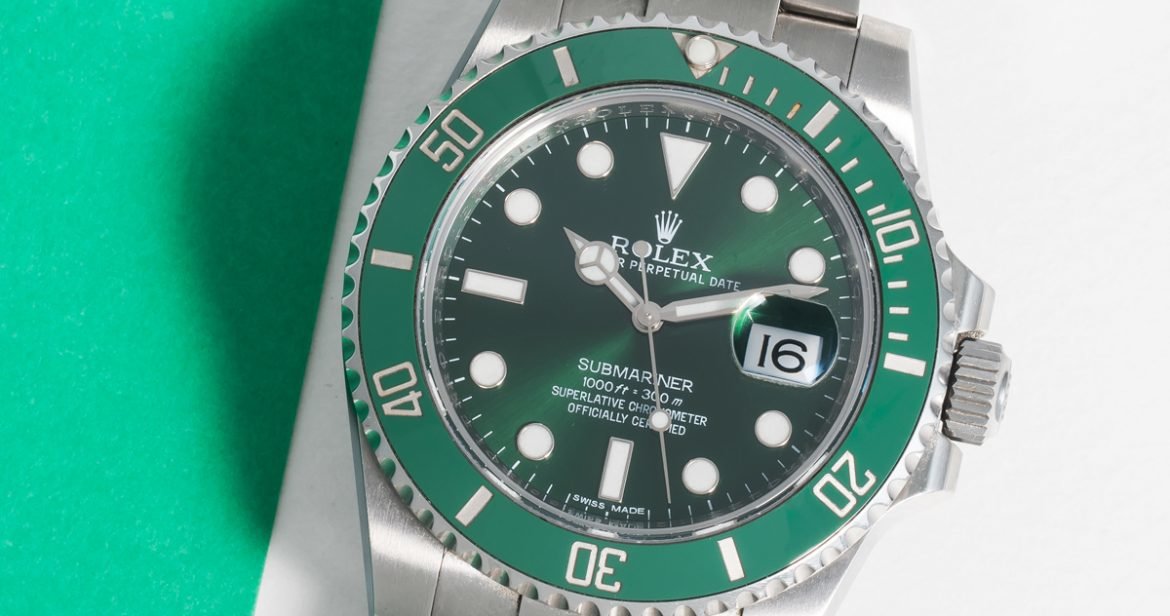
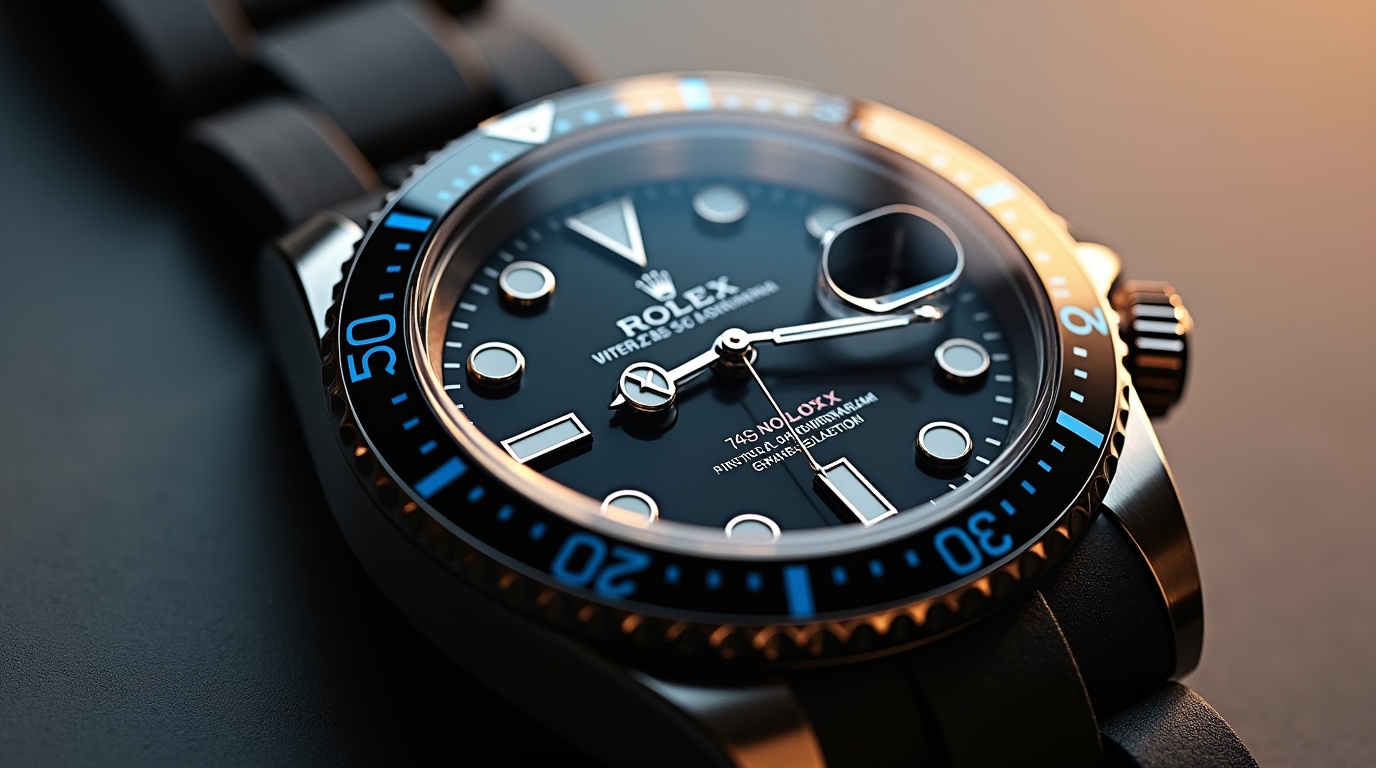
Rolex designs prioritize functionality and durability. Most models feature round cases (Submariner, GTNN -Master II) with sporty, tool-watch aesthetics. Signature elements include:
- Cerachrom ceramic bezels (scratch-resistant).
- Oystersteel (corrosion-resistant alloy).
- Cyclops lenses for date magnification.
- Popular 2025 Models :
- Submariner (Ref. 124060) : Minimalist no-date design.
- Daytona (Ref. 116500LN) : Coveted by racers and collects ors.
- Explorer II (Ref. 226550) : Adventure-ready with a 24-hour hand.
Cartier – Artistic Versatility with a Royal Touch
Cartier thrives on diversity . From the rectangular Tank to the curvaceous Ballon Bleu , its watches embrace unconventional shapes and luxurious materials. Key features:
- Blue sword-shaped hands (iconic Cartier signature).
- Guilloché dials (engine-turned patterns).
- Gemstone accents (e.g., diamonds on the Pasha).
- Popular 2025 Models :
- Tank Française : Unisex chain-link bracelet design.
- Pasha de Cartier : Bold, oversized cases with Arabic numerals.
- Santos-Dumont : Tribute to aviation history in rose gold.
3. Materials & Craftsmanship: Steel vs. Gold
Rolex – Engineered to Last
Rolex uses proprietary alloys like Oystersteel (904L steel) and Everose gold , ensuring corrosion resistance and enduring luster. Its Cerachrom bezels are scratch-proof and fade-resistant, ideal for tool watches.
- Innovation Spotlight : Chromalight luminescent material glows blue for up to 8 hours—superior to competitors.
Cartier – Luxurious Experimentation
Cartier leans into precious metals and artistic finishes. While stainless steel models exist (e.g., Santos-Dumont), the brand excels in 18k gold, platinum, and diamond-accented designs.
- 2025 Trend : The Beaune collects ion (2024 release) features meteorite dials paired with 18k white gold cases, attracting investors.
4. Movements & Accuracy: Chronometer Standards vs. Mystery Mechanics
Rolex – Chronometer Perfection
Rolex holds its movements to a +2/-2 seconds/day standard—stricter than the COSC-certified chronometer requirement (+4/-2 seconds/day). In-house calibers (e.g., Caliber 3235) offer 70-hour power reserves and unmatched reliability.
- Pro Tip : Rolex’s Superlative Chronometer certification guarantees precision.
Cartier – Balancing Tradition & Modernity
Cartier’s movements (e.g., Calibre 1904-CH MC) are COSC-certified but lag slightly behind Rolex in accuracy (±4 seconds/day). However, its mystery movements (hands appear to float without gears) are horological marvels.
- Quartz Debate : Cartier offers quartz models (e.g., Tank Solo Quartz), while Rolex abandoned quartz in the 1970s.
5. Price Points: Accessibility vs. Exclusivity
Rolex – The Entry-Level Luxury Standard
- Starting Price : ~$6,500 for an Oyster Perpetual.
- Top-Tier : Daytona or Day-Date models can exceed $500,000 in pre-owned markets.
- Waitlist Woes : New Rolex releases (e.g., Submariner) often come with multi-year waitlists.
Cartier – Affordable Luxury with Upscale Options
- Starting Price : ~$3,000 for a Ballon Bleu.
- Limited Editions : High-jewelry models (e.g., Pasha with diamond bezel) can surpass $200,000 .
- Value Proposition : Cartier’s entry-level watches are 30–50% cheaper than comparable Rolexes.

6. Resale Value: Investment vs. Sent.mes nt
Rolex – The Ultimate Store of Value
Rolex dominates resale markets. According to 2025 data:
- Submariner (Ref. 114060) : Holds 90%+ of original value after 5 years.
- Daytona : Pre-owned models sell for 2–3x retail price due to scarcity.
- Vintage Boom : “Paul Newman” Daytonas and Milgauss models are auction darlings.
Cartier – Emotional ROI Over Financial Gain
Cartier’s resale value is more nuanced:
- Tank Française : Retains 60–70% of value (up 10% since 2023).
- Crash Watch : Appreciates 15–20% annually due to limited supply.
- Jewelry-Driven Appeal : Cartier’s watches often hold sent.mes ntal value over pure financial return.
7. Iconic Models: Legacy and Evolution
Rolex’s Grail Watches
- Submariner : The ultimate dive watch, reborn in 2020 with a Maxi Dial.
- Daytona : Synonymous with motorsports and celebrity collects ors (e.g., Paul Newman).
- GTNN -Master II : Traveler’s favorite with a two-tone “Pepsi” bezel.
Cartier’s t.mes less Icons
- Tank : Inspired by WWI tank tracks; Jackie Kennedy’s go-to watch.
- Santos-Dumont : The world’s first pilot’s watch, now minimalist chic.
- Pasha : Bold, water-resistant design with a chain-link bracelet revival.
7. Pros & Cons: Who Should Buy What?
| Rolex | Cartier |
| Pros | Pros |
| – Unmatched brand recognition | – Diverse case shapes & sizes |
| – Superior accuracy (+2/-2 seconds/day) | – Affordable entry-level options |
| – Strongest resale value in luxury | – Quartz models available |
| – Iconic, conversation-starting designs | – Jewelry-grade craftsmanship |
| Cons | Cons |
| – Limited case shapes (mostly round) | – Lower resale value than Rolex |
| – High demand = long waitlists | – Accuracy lags behind Rolex |
| – No quartz models | – Less recognizable as a watchmaker |
8. Why These Brands Dominate Search Trends in 2025
Cultural Factors Driving Demand
- Rolex : Symbolizes success and endurance. Favored by athletes, adventurers, and status-driven buyers.
- Cartier : Represents sophistication and artistic legacy. Popular among fashion icons and jewelry lovers.
Economic Drivers
- Pre-Owned Boom : Inflation and sustainability trends push buyers to certified pre-owned (CPO) markets.
- Celebrity Influence : Leonardo DiCaprio’s Cartier Crash and Jay-Z’s Daytona fuel hype.
9. How to Choose: Rolex or Cartier?
Ask Yourself These Questions
- Do you prioritize precision and ruggedness, or artistic design?
- Are you buying for investment or emotional value?
- Do you prefer round cases or avant-garde shapes?
- Is brand recognition important to you?
Final Verdict
- Choose Rolex if you crave status, reliability, and a t.mes less investment piece .
- Opt for Cartier if you value artistry, versatility, and a watch that doubles as jewelry .
Conclusion: Rolex vs. Cartier – t.mes less Titans of Luxury
In 2025, Rolex and Cartier remain pillars of horology, but their paths to greatness couldn’t be more different. Whether you’re drawn to the rugged charm of a Submariner or the regal elegance of a Tank, one thing’s certain: these watches are more than accessories—they’re heirlooms .