
Preserve Your Luxury Jewelry: Prevent Tarnishing Guide

TrueFacet
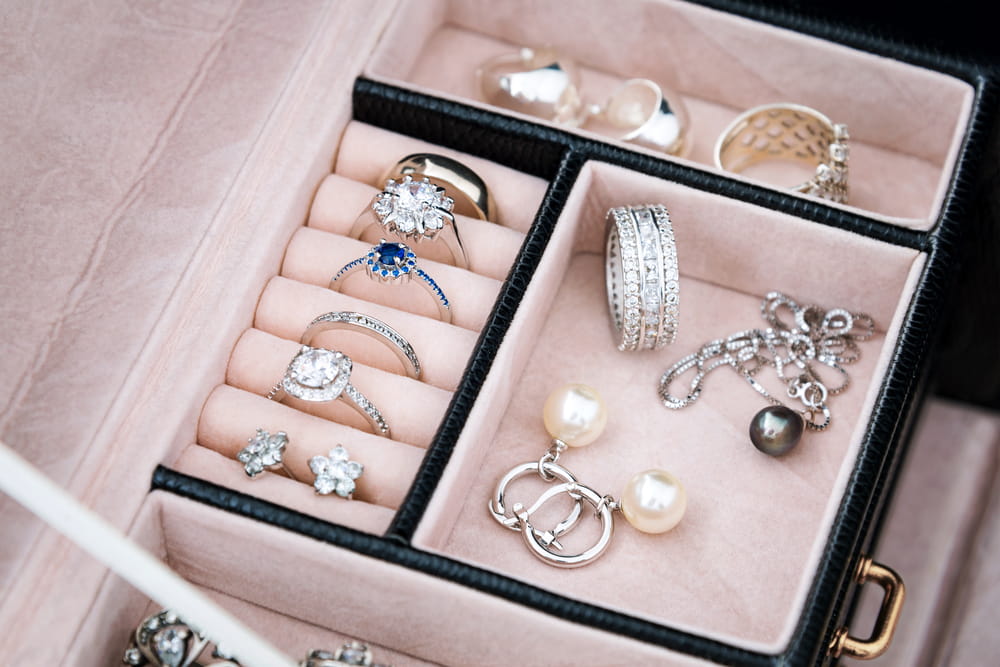

Luxury jewelry isn’t just an accessory—it’s an investment, a family heirloom, and a piece of art that carries both emotional and financial value. Yet, without proper care, even the finest pieces can lose their luster and value over t.mes . Tarnish, damage, and neglect can diminish the beauty and worth of your treasured items. This comprehensive guide will walk you through how to keep jewelry from tarnishing, establish proper maintenance schedules, identify best luxury jewelry to invest in, select the perfect luxury jewelry travel case, and understand how often should jewelry be appraised. Protect your legacy with expert preservation strategies.
Understanding Jewelry Tarnish

Tarnish is a natural chemical reaction that occurs when metals interact with sulfur compounds, oxygen, or moisture in the environment. While often associated with silver, gold alloys, platinum, and even certain gemstones can be affected.
Which metals are most susceptible?
- Sterling Silver: Most prone to tarnishing due to its copper content
- Gold Alloys: Lower karats (10K, 14K) tarnish faster than pure 24K
- Rose Gold: Copper content increases oxidation risk
- Platinum: Develops a patina rather than tarnish but still requires care
Environmental factors like humidity, air pollution, lotions, perfumes, and even skin chemistry accelerate tarnishing. Understanding these triggers is the first step in prevention.
How to Keep Jewelry From Tarnishing
Preventing tarnish requires consistent care and proper storage. Follow these expert strategies:
Daily Prevention Techniques:
- Remove jewelry before swimming, showering, or cleaning
- Apply perfume, hairspray, and lotions before putting on jewelry
- Wipe pieces with a soft microfiber cloth after each wear
Proper Storage Solutions:
- Use anti-tarnish cloths or pouches for individual pieces
- Store in a cool, dry place with silica gel packets to absorb moisture
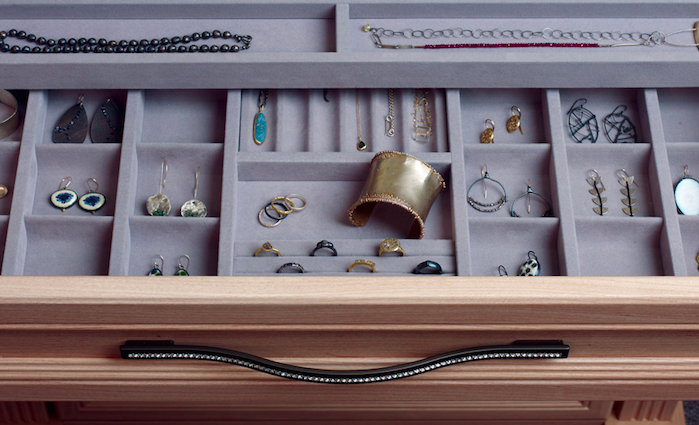
- Separate items to prevent scratching (use fabric-lined compartments)
- Consider a jewelry box with tarnish-resistant lining
Cleaning Methods by Material:
- Silver: Use baking soda paste or specialized silver polish
- Gold: Soak in warm water with mild dish soap, soft brush
- Gemstones: Clean with soft cloth and lukewarm water (avoid ultrasonic cleaners for porous stones like emeralds or pearls)
- Pearls: Wipe with damp cloth only—never soak
Recommended Anti-Tarnish Products:
- Anti-tarnish strips or tabs for storage
- Polishing cloths treated with tarnish inhibitors
- Jewelry cleaning solutions formulated for specific metals
How Often Should Jewelry Be Inspected and Cleaned
Regular maintenance prevents minor issues from becoming costly problems. Follow this professional schedule:
| Jewelry Type | Inspection Frequency | Professional Cleaning |
| Daily Wear (rings, bracelets) | Every 3 months | Twice yearly |
| Occasional Wear (necklaces, earrings) | Every 6 months | Annually |
| Heirloom/Investment Pieces | Every 6 months | Annually |
Signs You Need Immediate Cleaning:
- Visible tarnish or discoloration
- Dull or cloudy appearance
- Loose stones or bent prongs
- Skin discoloration after wearing
DIY vs. Professional Cleaning:
- At-home: Safe for routine maintenance of durable pieces
- Professional: Essential for intricate settings, delicate gemstones, and thorough inspection of prongs/settings
Seasonal Maintenance Checklist:
- Inspect clasps and chains for wear
- Check stone settings for tightness
- Clean thoroughly before seasonal storage
- Document condition with photos
Best Luxury Jewelry to Invest In

Not all luxury jewelry holds equal investment value. Focus on these characteristics:
Investment-Worthy Features:
- Brand Heritage: Cartier, Van Cleef & Arpels, Tiffany & Co., Bulgari
- Craftsmanship: Hand-finished pieces with exceptional detail
- Materials: Platinum, high-karat gold (18K+), rare gemstones
- t.mes less Design: Classic styles that transcend trends
Top Investment Categories:
- Signature Pieces: Cartier Love Bracelet, Van Cleef Alhambra
- High-Quality Diamonds: D-F color, VVS claritys , excellent cut
- Colored Gemstones: Burmese rubies, Kashmir sapphires, Colombian emeralds
- Vintage & Antique: Art Deco, Edwardian, or Victorian pieces
Authentication Tips:
- Request certificates from GIA or AGS for diamonds
- Verify brand hallmarks and serial numbers
- Obtain original purchase documentation
- Work with reputable jewelers for verification
VI. Luxury Jewelry Travel Case
Protecting your jewelry during travel requires specialized solutions:
Why Travel Cases Matter:
- Prevents tangling, scratching, and impact damage
- Reduces exposure to environmental changes
- Provides security against loss or theft
Types of Travel Cases:
- Hard Cases: Best for maximum protection (e.g., Pelican-style cases)
- Soft Pouches: Ideal for lightweight, space-saving travel
- Compartmentalized Cases: Perfect for organizing multiple pieces
- Roll-Up Pouches: Great for necklaces and bracelets
Essential Features to Look For:
- Lined compartments to prevent scratching
- Secure closures (zippers, clasps, locks)
- Lightweight yet durable construction
- Water-resistant exterior
- Anti-tarnish lining
Packing Best Practices:
- Clean jewelry before packing
- Wrap each piece individually in soft cloth
- Place in designated compartments
- Fill empty spaces to prevent shifting
- Carry valuable pieces in personal luggage (never checked bags)
Top Recommended Travel Cases:
- Luxury Option: Smythson Jewelry Travel Case
- Mid-Range: Wolf 1834 Travel Jewelry Case
- Budget-Friendly: Mele & Co. Leather Travel Case
How Often Should Jewelry Be Appraised

Regular appraisals ensure proper insurance coverage and track value changes:
Appraisal Frequency Guidelines:
- For Insurance: Every 2-3 years
- After Major Market Shifts: Following significant changes in metal/gemstone prices
- Before Selling/Inheritance: Current valuation for estate planning
- After Damage or Repair: To reassess value
The Appraisal Process:
- Physical inspection under magnification
- Testing of metals and gemstones
- Measurement and documentation of specifications
- Market value analysis
- Detailed written report with photos
Essential Documentation to Maintain:
- Original purchase receipts
- Previous appraisal reports
- Gemstone certificates
- Repair records
- Photographs showing condition
Finding a Qualified Appraiser:
- Look for GIA (Graduate Gemologist) or ASA (Accredited Senior Appraiser) credentials
- Choose independent appraisers (not affiliated with sellers)
- Verify experience with your type of jewelry
- Check for professional affiliations (NAJA, AGS)
Comprehensive Jewelry Preservation Plan
Create a personalized care system with these steps:
Monthly Routine:
- Wipe pieces after wearing
- Check for loose stones or damage
- Store properly in anti-tarnish conditions
Seasonal Deep Care:
- Professional cleaning and inspection
- Update inventory records
- Review insurance coverage
- Clean storage containers
Long-Term Storage Solutions:
- For unworn pieces: Use anti-tarnish bags with silica gel
- For heirlooms: Consider bank safe deposit box
- Maintain stable temperature and humidity (40-50% RH)
Emergency Care Protocol:
- Stop wearing damaged pieces immediately
- Place in secure container
- Contact professional jeweler within 48 hours
- Document damage with photos
- Contact insurance provider if applicable
Record-Keeping System:
- Digital photos of each piece
- Scanned documents in cloud storage
- Physical binder with certificates
- Calendar reminders for inspections/appraisals
Conclusion
Preserving your luxury jewelry requires consistent attention and expert care. By implementing these strategies—understanding how to keep jewelry from tarnishing, following proper inspection and cleaning schedules, investing wisely in best luxury jewelry to invest in, using a quality luxury jewelry travel case, and maintaining regular appraisals—you protect both the beauty and value of your collects ion. Remember, professional care is invaluable for maintaining your investment. Schedule your next inspection or appraisal with our certified gemologists to ensure your treasures remain brilliant for generations to come.