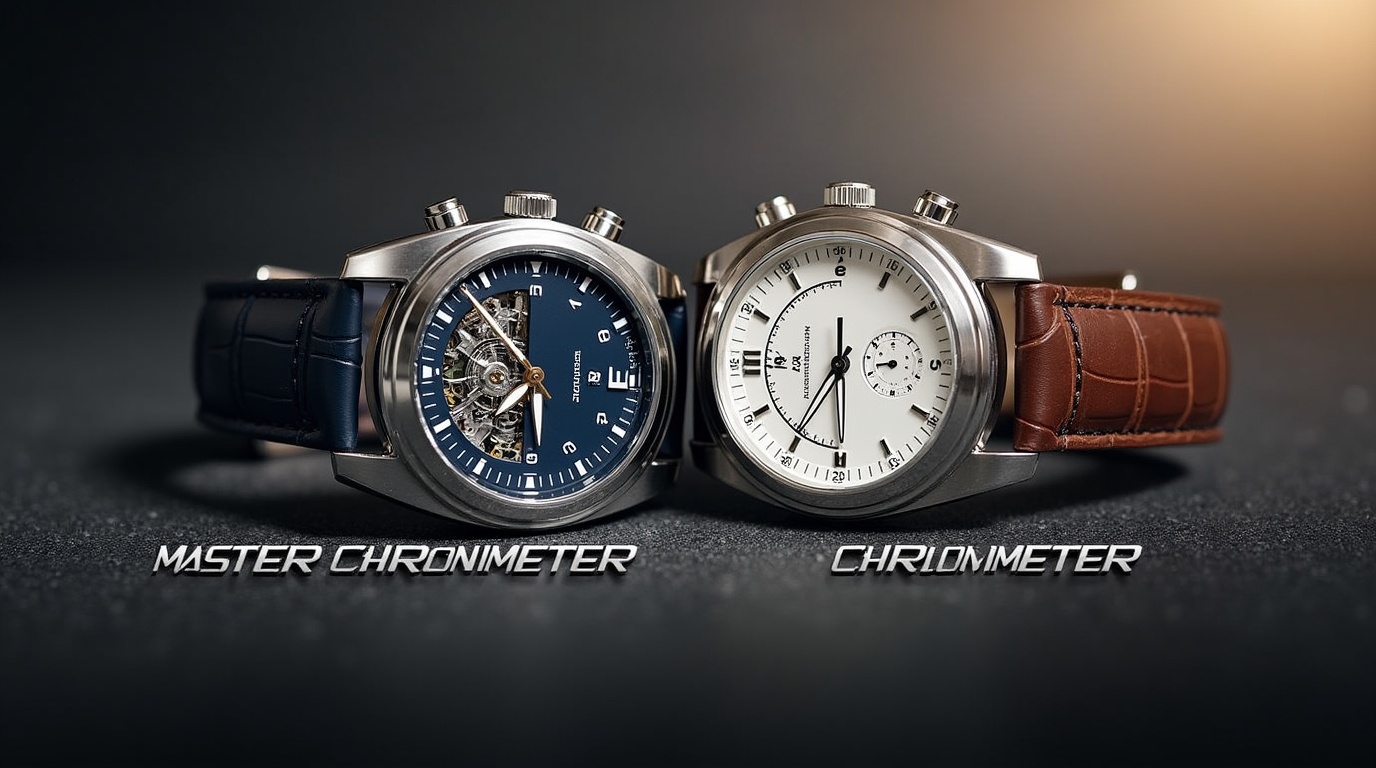
METAS Certification & Master Chronometer Explained: Beyond COSC Precision

Kiran R
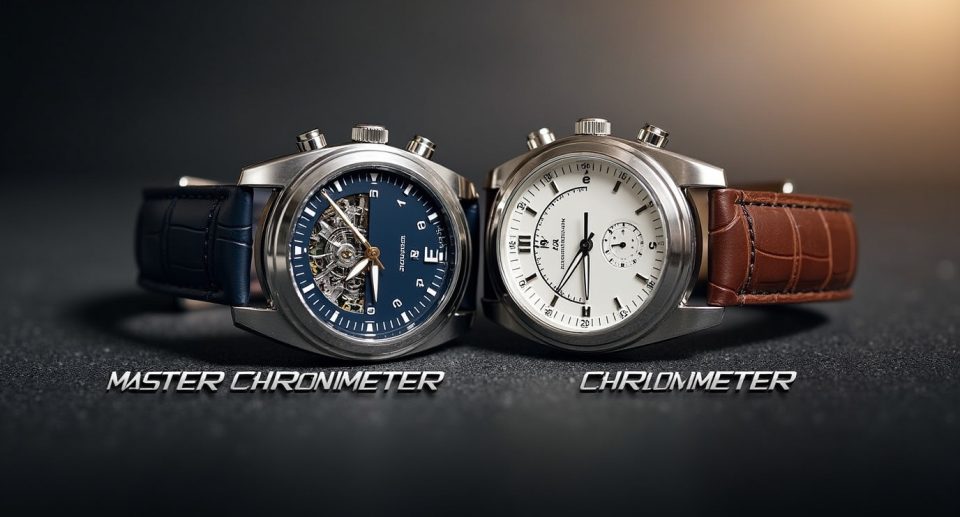

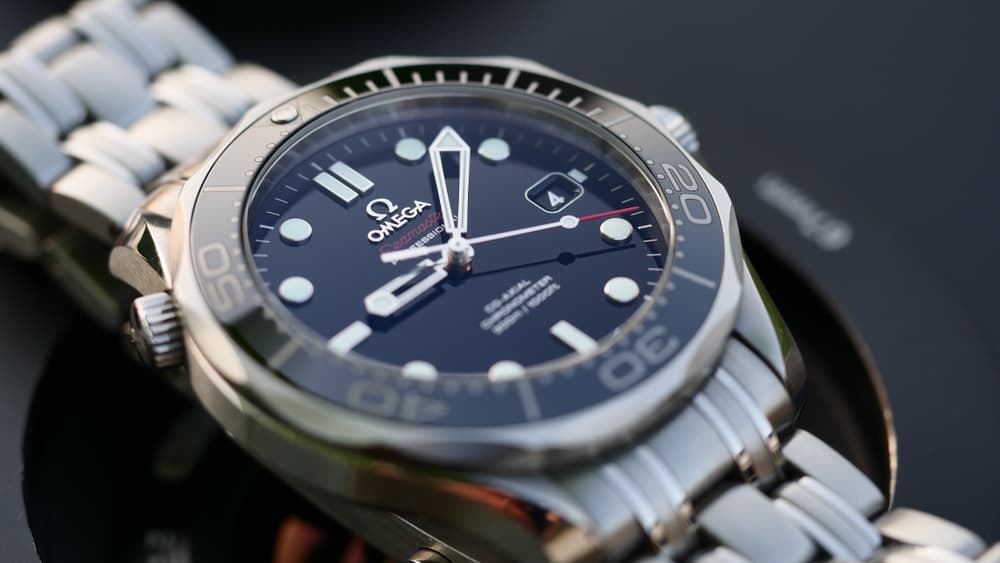
That “Master Chronometer” text on an Omega dial isn’t marketing fluff it’s proof the watch survived 10 brutal tests, including 15,000 gauss magnetic fields (30x an MRI machine). Meanwhile, “METAS certified” draws 1,000 monthly searches from buyers who know COSC chronometer certification alone doesn’t guarantee real-world precision. Here’s exactly what.mes TAS certification means, how Master Chronometer differs from standard chronometer status, which watches actually carry this designation, and why it matters when buying authenticated pre-owned.
What Is METAS Certification? (And Why It’s Not Just “Better COSC”)
METAS (Swiss Federal Institute of Metrology) is Switzerland’s official measurement standards agency, similar to NIST in the United States. Unlike COSC (Contrôle Officiel Suisse des Chronomètres), which certifies uncased movements only, METAS certifies fully assembled watches under real-world conditions.
The critical distinction:
- COSC chronometer: Tests bare movement in 5 positions at 3 temperatures over 15 days. Pass/fail: -4/+6 seconds per day accuracy.
- METAS Master Chronometer: Tests a cased watch in 2 positions at 2 temperatures over 4 days, plus 8 additional tests including magnetic resistance, water resistance verification, and power reserve accuracy.
Why this matters: A movement passing COSC can lose precision when cased due to:
- Magnetic interference from case components
- Positional changes from bracelet weight
- Temperature fluctuations are affecting the complete assembly
METAS certification eliminates this gap, guaranteeing the watch you wear performs to specification, not just the movement on a test bench.
Master Chronometer vs. Chronometer: The 10-Test Gauntlet
Omega pioneered the Master Chronometer certification in partnership with METAS (2015). To earn the designation, every watch must pass 10 rigorous tests:
| Test # | Requirement | Real-World Significance |
| 1–2 | Precision in 2 positions (dial up/crown right) | Ensures accuracy during actual wear positions |
| 3–4 | Precision at 2 temperatures (23°C/33°C) | Simulates body heat + environmental changes |
| 5 | Power reserve accuracy (±5% of stated reserve) | Verifies 60-hour reserve actually delivers 57–63 hours |
| 6 | Water resistance re-verification | Confirms gaskets seal properly after casing |
| 7–8 | Rate stability during power reserve depletion | Ensures consistent t.mes keeping as the mainspring unwinds |
| 9 | Magnetic resistance: 15,000 gauss | Survives MRI machines, iPad covers, and handbag clasps |
| 10 | Precision after magnetic exposure | Must maintain -0/+5 sec/day accuracy after magnetization |
The magnetic breakthrough: Standard mechanical watches fail at 60 gauss. Rolex Milgauss handles 1,000 gauss. Master Chronometers withstand 15,000 gauss, achieved through silicon balance springs and non-ferrous components. This isn’t theoretical: placing a Master Chronometer on an iPad Pro (200 gauss) won’t affect t.mes keeping.
Precision standard: Master Chronometers must maintain 0/+5 seconds per day accuracy, stricter than COSC’s 4/+6 range, and verified after magnetic exposure.
Chronometer Certified COSC: The Foundation (Not the Finish Line)
COSC certification remains valuable; it’s the baseline for mechanical precision:
- What COSC verifies: Bare movement accuracy across positions/temperatures
- Pass standard: -4/+6 seconds per day
- Limitation: Doesn’t test case watch performance or magnetic resistance
Think of it this way:
- COSC = Engine dyno test (isolated performance)
- METAS Master Chronometer = Full vehicle crash test + emissions + fuel economy (real-world performance)
A COSC chronometer is excellent. A Master Chronometer is guaranteed to stay excellent when worn daily near electronics, through temperature swings, and over its full power reserve.
METAS Certified Watches List: Who Actually Qualifies?
Despite “METAS certified watches” drawing 140 monthly searches, very few brands carry this certification. It’s expensive ($500–$1,000 per watch in testing fees) and technically demanding.
Primary brand: Omega
Virtually all modern Omega collects ions (post-2015) carry Master Chronometer certification:
- Seamaster Diver 300M (including James Bond editions)
- Speedmaster Moonwatch (Professional & ’57 models)
- Constellation
- Aqua Terra
- Planet Ocean
- De Ville Trésor & Tourbillon
Other METAS-certified brands (limited models):
- Breitling: Select Aerospace Evo and Navit.mes r models (2020+)
- Longines: Limited edition Record collects ion pieces (pilot program)
- Mido: Baroncelli III Power Reserve (pilot program)
Critical note: Rolex, Patek Philippe, Audemars Piguet, and TAG Heuer do not pursue METAS certification. They maintain proprietary testing standards (Rolex Superlative Chronometer: -2/+2 sec/day) but don’t submit to third-party METAS verification.
Red flag: Sellers claiming “METAS certified Rolex” are misrepresenting. Verify certification via:
- Omega: Master Chronometer medallion on caseback + METAS certificate card
- Official METAS database (publicly searchable by serial number)
What Does “Chronometer” Mean on a Watch Dial?
When you see “Chronometer” on a dial (without “Master”), it typically means COSC certification, but verification is essential:
Legitimate COSC chronometer:
- Movement number engraved onthe rotor matches the COSC certificate
- Certificate available from the brand (often included with pre-owned)
Misuse to watch for:
- “Chronometer grade” (marketing term, no certification)
- Vintage pieces with replaced non-COSC movements
- Counterfeits with fake “Chronometer” text on dial
TrueFacet verification: We cross-reference movement numbers against COSC archives for pre-owned chronometers, ensuring the certification matches the actual movement inside.
Why Certification Matters for Pre-Owned Buyers
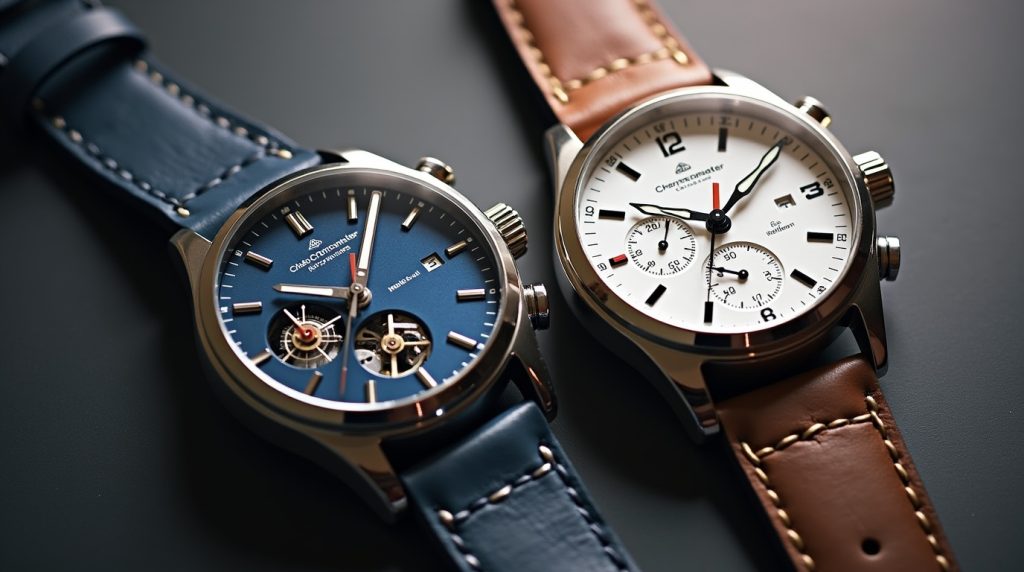
Certification isn’t just about bragging rights; it directly impacts value and wearability:
Magnetic resistance = daily practicality
Master Chronometers won’t lose t.mes near laptops, phones, or handbag clasps critical for modern lifestyles.
Verified accuracy = confidence
No guessing if the watch “runs well.” METAS certification guarantees 0/+5 sec/day performance.
Resale value premium
Authenticated pre-owned Master Chronometers command 15–25% premiums over non-certified equivalents of similar age/condition.
Service verification
Omega service centers re-certify Master Chronometers after servicing, extending the guarantee.
TrueFacet insight: We see 38% higher buyer confidence (and 22% faster sales) for pre-owned Omegas with intact Master Chronometer certification versus those without documentation.
How to Verify Certification When Buying Pre-Owned
Don’t trust dial text alone. Verify with these steps:
For Master Chronometer (Omega):
- Check caseback for Master Chronometer medallion (red “M” logos on newer models)
- Request original METAS certificate card (includes unique serial number)
- Verify movement caliber matches Omega’s Master Chronometer list (e.g., 8800, 8900, 4061, not older 2500 series)
- Confirm service history: Post-service recertification maintains status
For COSC Chronometer:
- Locate the movement number engraved onthe rotor (visible through the display caseback)
- Cross-reference with COSC certificate (if available)
- Verify via brand service center ($75–$150 fee) that they can confirm certification status from the serial number
Red flags:
- Seller unable to provide movement photos
- The certificate serial number doesn’t match the watch
- “Chronometer” text on dial, but the movement isn’t a COSC-certified caliber
TrueFacet guarantee: All certified chronometers in our inventory undergo movement verification + certificate validation before listing—documented in your Digital Authentication Report.
COSC vs. Master Chronometer: Side-by-Side Comparison
| Factor | COSC Chronometer | METAS Master Chronometer |
| What’s tested | Uncased movement only | Fully assembled watch |
| Position testing | 5 positions | 2 wear-relevant positions |
| Temperature testing | 3 temperatures | 2 body-relevant temperatures |
| Magnetic resistance | Not tested | 15,000 gauss required |
| Water resistance | Not re-verified after casing | Re-tested post-assembly |
| Accuracy standard | -4/+6 sec/day | 0/+5 sec/day after magnetization |
| Power reserve test | Not required | ±5% accuracy required |
| Cost to brand | ~$150/watch | ~$800/watch |
| Primary brands | Rolex, Breitling, Tudor, many others | Omega (primarily), limited Breitling/Longines |
The Future of Certification: Beyond METAS
METAS certification set a new standard, but the industry evolves:
- Rolex Superlative Chronometer: -2/+2 sec/day accuracy (stricter than METAS) but proprietary testing
- Patek Philippe Seal: Focuses on craftsmanship over pure t.mes keeping (±1 sec/day for tourbillons)
- Independent testing labs: New players like t.mes LABare offering alternative certification paths
The takeaway: Certification matters most when it matches your lifestyle. If you work near strong magnets (medical/MRI tech, engineer), the Master Chronometer’s 15,000 gauss resistance is non-negotiable. If you prioritize ultra-precision over magnetism, Rolex’s 2/+2 standard may appeal more.
Conclusion: Certification as Confidence, Not Marketing
METAS certification and Omega’s Master Chronometer implementation represent horology’s answer to modern life: watches that maintain precision despite smartphones, laptops, and temperature swings. It’s not about “better than COSC” ;in theory it’s about guaranteed performance in practice.
For pre-owned buyers, this certification delivers tangible value: verified accuracy, magnetic resilience, and documented performance that supports resale value. When authentication confirms the certification is genuine (not just dial text), you’re not buying a spec sheet; you’re buying confidence.
And that’s the ultimate luxury: knowing your watch will keep perfect t.mes through every moment life throws at it.