

Let’s clear up the most persistent confusion in luxury jewelry right now: “high jewelry” and “fine jewelry” aren’t interchangeable terms—and mixing them up could cost you thousands of dollars or leave you deeply disappointed. I learned this the hard way years ago when a client showed me a stunning necklace she’d bought after a sales associate called it “high jewelry.” It was beautiful, yes—but it was actually fine jewelry with a clever marketing label. She’d paid a 40% premium believing she was buying into an exclusive tier that didn’t exist for that piece. She wasn’t naive. She was misled by terminology even seasoned collects ors stumble over.
Here’s the truth no boutique will volunteer upfront: all high jewelry is fine jewelry—but not all fine jewelry is high jewelry. It’s like the difference between a custom couture gown and a beautifully made ready-to-wear dress from the same designer. Both use silk and expert stitching. Only one took 300 hours of hand-embroidery by a single artisan. Understanding this distinction isn’t about snobbery—it’s about knowing exactly what you’re paying for.
Fine Jewelry: The Foundation (And What Most of Us Actually Buy)
Let’s start with the term everyone thinks they understand. “Fine jewelry” simply means pieces made with precious metals (gold, platinum, silver) and genuine gemstones (diamonds, sapphires, emeralds, etc.) as opposed to “fashion jewelry” (base metals, cubic zirconia, enamel). That’s it. No minimum price point. No craftsmanship threshold. No exclusivity requirement.
This category spans an enormous range:
- Entry-level fine jewelry: A $280 Mejuri 14k gold chain with a single diamond accent. Solid materials, machine-assisted production, sold online.
- Mid-tier fine jewelry: A $2,500 Tiffany T True ring in 18k gold with pave diamonds. Better finishing, brand heritage, boutique experience.
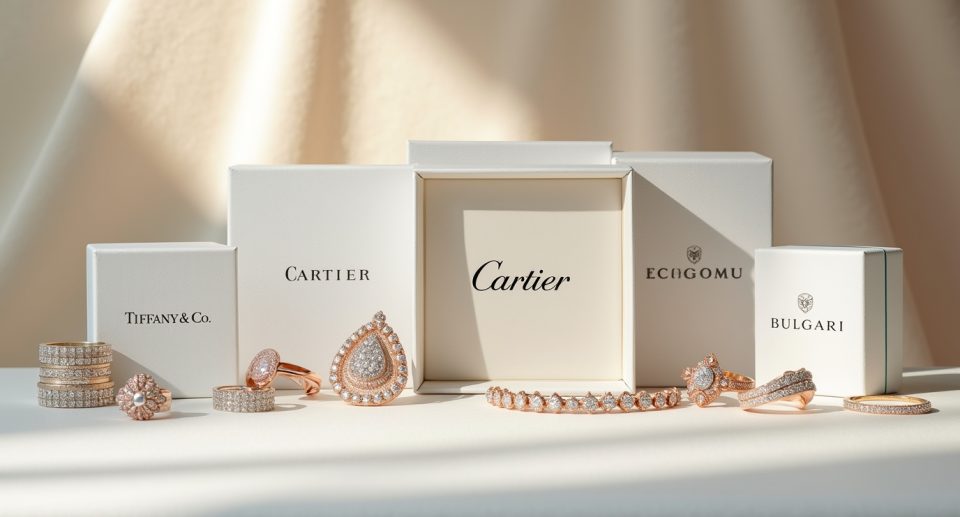
- Upper-fine jewelry: A $28,000 Cartier Love bracelet in 18k rose gold. Iconic design, hand-polished finishing, lifet.mes servicing.
All three qualify as “fine jewelry” because they use precious materials. But only the last approaches the spirit of high jewelry—and even it isn’t technically haute joaillerie. Why? Because fine jewelry is defined by what it’s made of, not how it’s made or how rare it is.
The practical reality: 95% of jewelry sold by luxury brands falls under “fine jewelry.” It’s designed for production (even in limited quantities), uses calibrated stones (standard sizes/colors), and follows established designs that can be reordered. When your Cartier Love bracelet needs resizing, they pull a new one from inventory. That’s fine jewelry functioning as it should: beautiful, durable, accessible to those with means.
High Jewelry: Where Artistry Meets Obsession
Now for the rarefied air. “High jewelry” (or haute joaillerie in French) isn’t a materials designation—it’s a creative and production philosophy reserved for the absolute pinnacle of the craft. Think of it as jewelry’s equivalent of haute couture fashion: governed by strict rules, produced in minuscule quantities, and treated as wearable art rather than accessories.
To qualify as true high jewelry, a piece must.mes et criteria most consumers never see:
1. One-of-a-kind or extremely limited production
High jewelry collects ions debut seasonally (like fashion weeks) with 30–60 pieces total. Many are literally one-of-a-kind. Even “editions” rarely exceed 5–10 pieces worldwide. When Van Cleef & Arpels presents its “Romeo and Juliet” high jewelry collects ion, that emerald-and-diamond balcony necklace? Only one exists. If someone buys it, the design vanishes forever.
2. Gemstones chosen for character, not just specs
While fine jewelry uses calibrated stones (e.g., “G VS1 round diamonds”), high jewelry seeks personality. A 10-carat Colombian emerald might be selected not for flawless claritys (it likely has inclusions) but for its “jardin”—the garden-like internal patterns that catch light uniquely. Stones are often cut specifically for the piece, not pulled from inventory. I once watched a Graff high jewelry director reject a 25-carat diamond because “it didn’t sing” under northern light—despite flawless certification. That’s high jewelry thinking.
3. Hundreds of hours of handcraft per piece
A fine jewelry Love bracelet takes ~40 hours to produce. A high jewelry necklace? 300–800 hours. Why? Because techniques like sertissage mystérieux (Van Cleef’s invisible setting) require stones to be hand-cut with microscopic grooves so they slide into gold tracks without visible prongs. Or because Boucheron might hand-carve rock crystal to mimic water droplets around a diamond “splash.” Machines can’t do this. Only artisans with decades of training can.
4. No price tags in boutiques
You’ll never see a price on a high jewelry piece in-store. Why? Because pricing is often negotiated based on client relationship, payment terms, and whether they’re buying multiple pieces. More importantly: the value isn’t in materials alone. That $1.2 million necklace might contain $400K in gems—but $800K reflects 600 hours of master craftsmanship and the fact that no one else on earth will ever own that design.
5. By invitation or serious vetting
Walk into Cartier’s Fifth Avenue mansion asking to see high jewelry, and you’ll be politely redirected to fine jewelry—unless you’re already a client who’s spent six figures with them. Houses protect these collects ions because they’re loss leaders: many pieces cost more to create than they sell for. They exist to showcase artistic mastery, not generate profit. Access requires proven commitment to the brand.
Side-by-Side: What Actually Separates Them
| Characteristic | Fine Jewelry | High Jewelry |
| Production | Repeatable designs; reorderable | One-of-a-kind or ≤10 pieces globally |
| Gem Selection | Calibrated stones meeting spec sheets | Stones chosen for unique character/light performance |
| Craftsmanship | Mix of hand-finishing + machine precision | 90%+ handwork by master artisans |
| t.mes Investment | 20–60 hours per piece | 300–1,000+ hours per piece |
| Distribution | Available in boutiques worldwide | By invitation; shown in private salons |
| Pricing Transparency | Fixed retail prices | Negotiated; often no published price |
| Purpose | Beautiful everyday luxury | Wearable art; brand prestige showcase |
| Examples | Cartier Love bracelet, Tiffany solitaire | Van Cleef Perlée Couleurs one-of-a-kind necklace, Boucheron Histoire de Style high jewelry pieces |
Why This Distinction Actually Matters to You
You might be thinking: “I’m not buying million-dollar necklaces—why should I care?” Because the confusion bleeds downward—and costs real people real money.
Scenario 1: You’re shopping for an engagement ring. A sales associate shows you a “high jewelry collects ion” ring priced at $45,000. It’s beautiful—but it’s actually upper-tier fine jewelry (a well-made piece with excellent but not exceptional stones). You pay a 30% premium believing you’re buying into exclusivity that doesn’t exist. The ring is still lovely—but you overpaid because terminology misled you.
Scenario 2: You inherit your grandmother’s “fine jewelry” brooch. An appraiser dismisses it as “just fine jewelry” worth $2,000. But upon closer inspection, it’s a 1950s Van Cleef high jewelry piece—one of eight ever made. Because the appraiser didn’t recognize high jewelry hallmarks (hand-engraved serial numbers, unique stone cuts), they undervalued it by 100x. Knowledge protects legacy.
Scenario 3: You want ethical luxury. Many high jewelry houses now trace gem origins to specific mines and partner with artisan communities (Chopard’s Journey to Sustainable Luxury program). But “fine jewelry” has no ethical standards—you might buy a $10K ring with stones from problematic sources. Understanding tiers helps you align spending with values.
The Gray Zone: “High-End Fine Jewelry” (And Why It’s Confusing)
Here’s where even industry insiders slip up. Brands now market “high jewelry-inspired” or “high jewelry collects ion” lines that sit between tiers—like Cartier’s Écuyer collects ion or Tiffany’s Victoria line. These pieces:
- Use better-than-average stones
- Feature more hand-finishing than standard fine jewelry
- Carry 20–40% price premiums
- But remain reorderable, use calibrated gems, and lack true high jewelry exclusivity
They’re not lying—they’re leveraging association. And for many buyers, that’s perfectly fine! A $35,000 “high jewelry-inspired” necklace might bring more joy than a $250,000 true high jewelry piece you’d never wear. The problem isn’t the product—it’s transparency. Ask directly: “Is this piece one-of-a-kind or part of a limited edition?” If they hesitate or say “it’s exclusive,” walk away. True high jewelry houses answer this proudly.
When Each Tier Makes Sense for Your Life
Choose fine jewelry when:
- You want beautiful pieces for daily wear (a gold chain, diamond studs, signet ring)
- You value brand heritage and servicing networks (Tiffany will resize your ring in 2040)
- Your budget ranges from $500–$50,000
- You prefer classic designs that won’t date quickly
- You want pieces that hold some resale value (iconic designs like Love bracelets retain 60–80%)
Consider high jewelry when:
- You’re collects ing wearable art, not accessories
- You have $100,000+ to invest in a single piece meant to be worn occasionally
- Emotional resonance matters more than practicality (a necklace inspired by your favorite poem)
- You value knowing exactly one other person on earth might own a similar design
- You plan to pass it down as a singular heirloom
Smart middle path: Buy fine jewelry for daily life, and rent high jewelry for milestone events. Sites like The Volte or Piece of Me let you wear a $500K Van Cleef necklace for your wedding day at 5% of retail cost. You get the magic without the maintenance.
The Uncomfortable Truth About Resale Value
Let’s address the elephant in the room: “Will this appreciate?”
Fine jewelry: Most loses 30–50% value immediately upon purchase (like a new car). Exceptions: iconic designs from heritage houses (Cartier Love, Tiffany solitaire) in excellent condition may retain 60–80% resale value—but rarely appreciate unless vintage/rare.
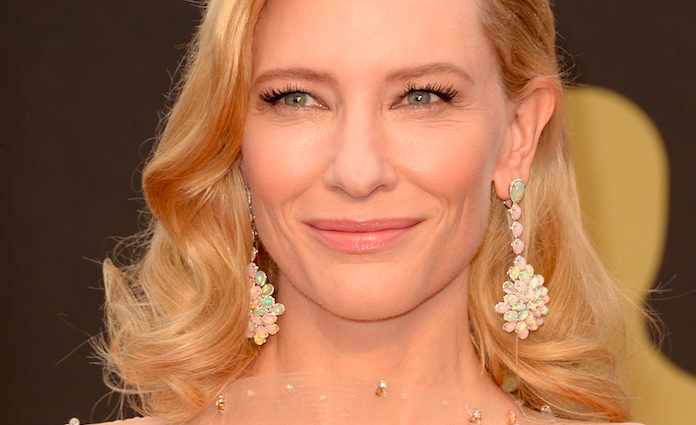
High jewelry: Paradoxically, true high jewelry often appreciates—but not for the reason you think. It’s not the gems. It’s the story. A one-of-a-kind 2018 Boucheron high jewelry piece worn by Cate Blanchett to the Oscars might double in value because of its provenance—not its materials. Without that narrative? It may still lose value initially. High jewelry is art market logic, not commodity logic.
Neither tier should be bought as an “investment.” Buy because you love it. Full stop.
Final Guidance: How to Navigate This Confidently
Before your next jewelry purchase, ask these three questions:
- “Is this piece reorderable?”
If yes → fine jewelry. If no → potentially high jewelry (verify with other criteria). - “Can you show me the gem certification and the artisan’s mark?”
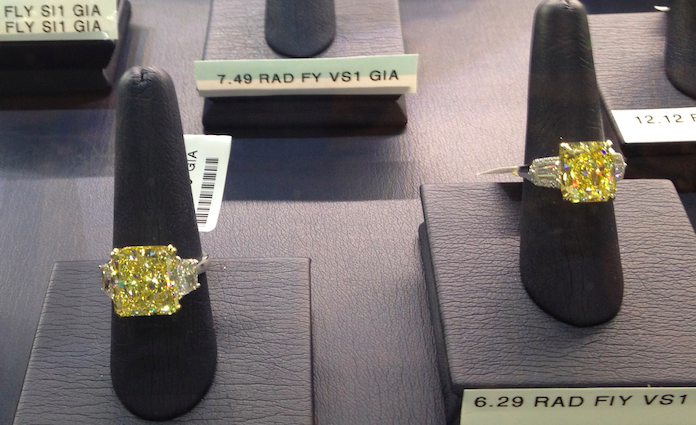
Fine jewelry has GIA reports. High jewelry adds hand-engraved artisan signatures inside the piece—a detail only visible under magnification. - “What happens if I need repairs in 20 years?”
Fine jewelry: serviced at any boutique. High jewelry: often requires return to the original artisan’s workshop (somet.mes s in Paris/Geneva). Know the commitment.
The Real Luxury Isn’t the Price Tag—It’s Understanding
I once sat with a client who’d inherited a small, unassuming brooch—a single pearl surrounded by tiny diamonds in yellow gold. She’d been told it was “just cost.mes jewelry” by a pawn shop. We sent it to Van Cleef’s archive department. Turned out it was a 1937 high jewelry piece—one of three made for the Duchess of Windsor. Not because of the pearl’s size (it was modest), but because of the hand-chased gold petals beneath it, a technique lost to t.mes .
She didn’t sell it. She wears it once a year on her birthday—a quiet reminder that true value isn’t always visible at first glance. It lives in the details someone took t.mes to perfect when no one was watching. That’s the heart of high jewelry. And honestly? You can find echoes of that same care in a $600 fine jewelry ring made by a passionate independent designer.
The labels matter less than this: know what you’re buying, why it moves you, and whether its story aligns with yours. A $400 WWAKE ring that makes you feel seen is more “luxurious” than a $40,000 piece bought to impress others. Luxury isn’t a price point—it’s the space between what something costs and what it.mes ans to you.
And that’s a distinction no marketing team can ever commodify.