Chronograph Wristwatch: The Complete Guide to Functions, Types, and Uses

Kiran R

1. Introduction: The Legacy of Precision
“A chronograph is where engineering meets artistry—a tool born from science, perfected by t.mes .”
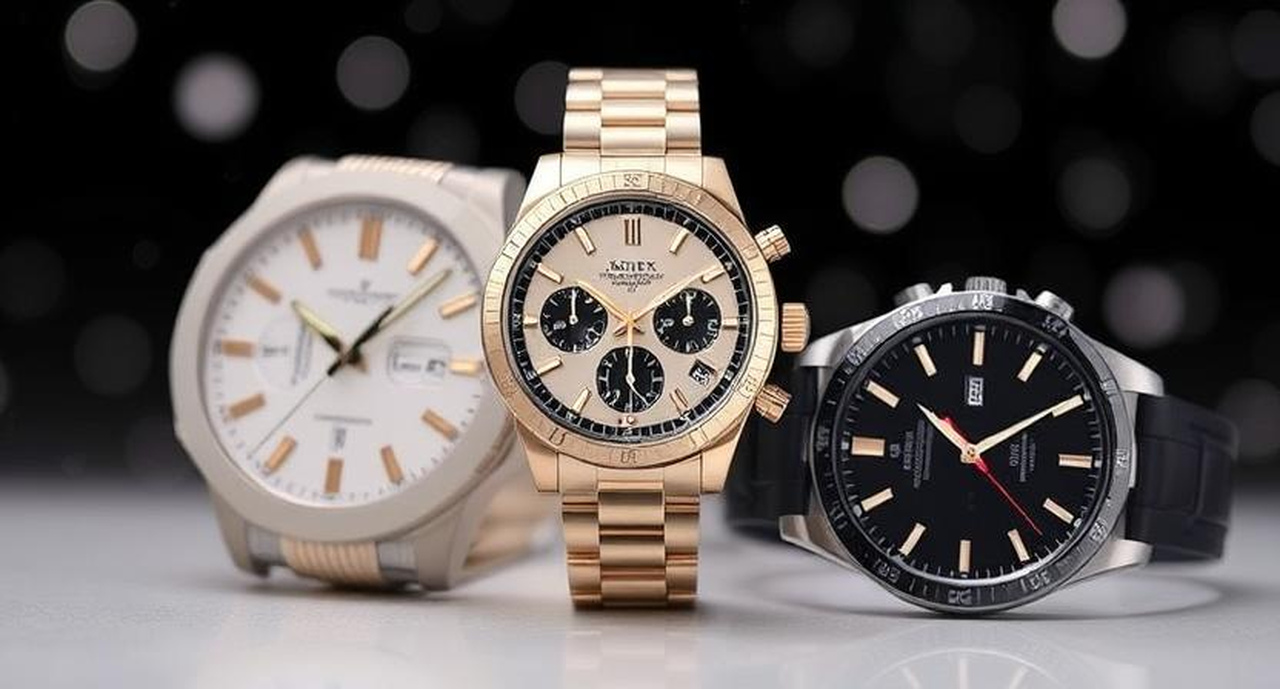
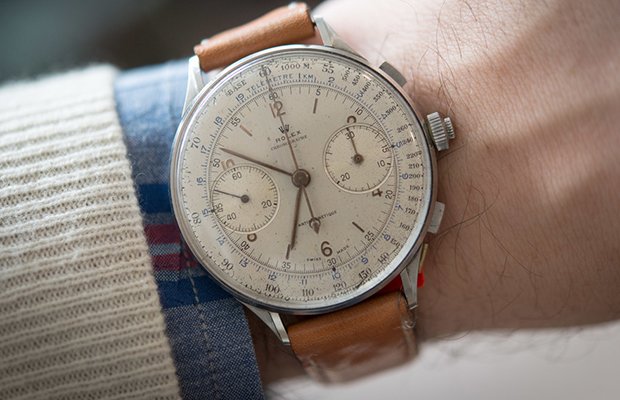
Invented in 1816 by Louis Moinet to track celestial movements, the chronograph evolved into a wristworn essential for pilots, racers, and astronauts. Nicolas Rieussec commercialized the first ink-based chronograph in 1821 for horse racing, while Longines debuted the first wrist chronograph in 1913. From timing the Apollo 11 moon landing (Omega Speedmaster) to dominating racetracks (Rolex Daytona) and Olympic events (Tag Heuer), chronographs blend utility with t.mes less design. This guide explores their mechanics, styles, and cultural impact.
2. What is a Chronograph Watch?
Definition:
A chronograph is a watch with independent stopwatch functionality, enabling precise measurement of elapsed t.mes
alongside standard t.mes
keeping. The term combines Greek words chronos (t.mes
) and graph (to write), reflecting its role as a “t.mes
recorder.”
Key Components:
- Subdials:
- 30-minute counter: Tracks elapsed minutes (3 o’clock).
- 12-hour counter: Measures longer durations (6 o’clock).
- Small seconds: Continuous seconds display (9 o’clock).
- Pushers:
- Start/Stop (2 o’clock): Activates the chronograph hands.
- Reset (4 o’clock): Returns hands to zero (requires stopping first).
- Scales:
- Tachymeter: Calculates speed (e.g., miles per hour).
- Telemeter: Measures distance (e.g., lightning strikes).
- Pulsometer: Determines heart rate (30 pulses).
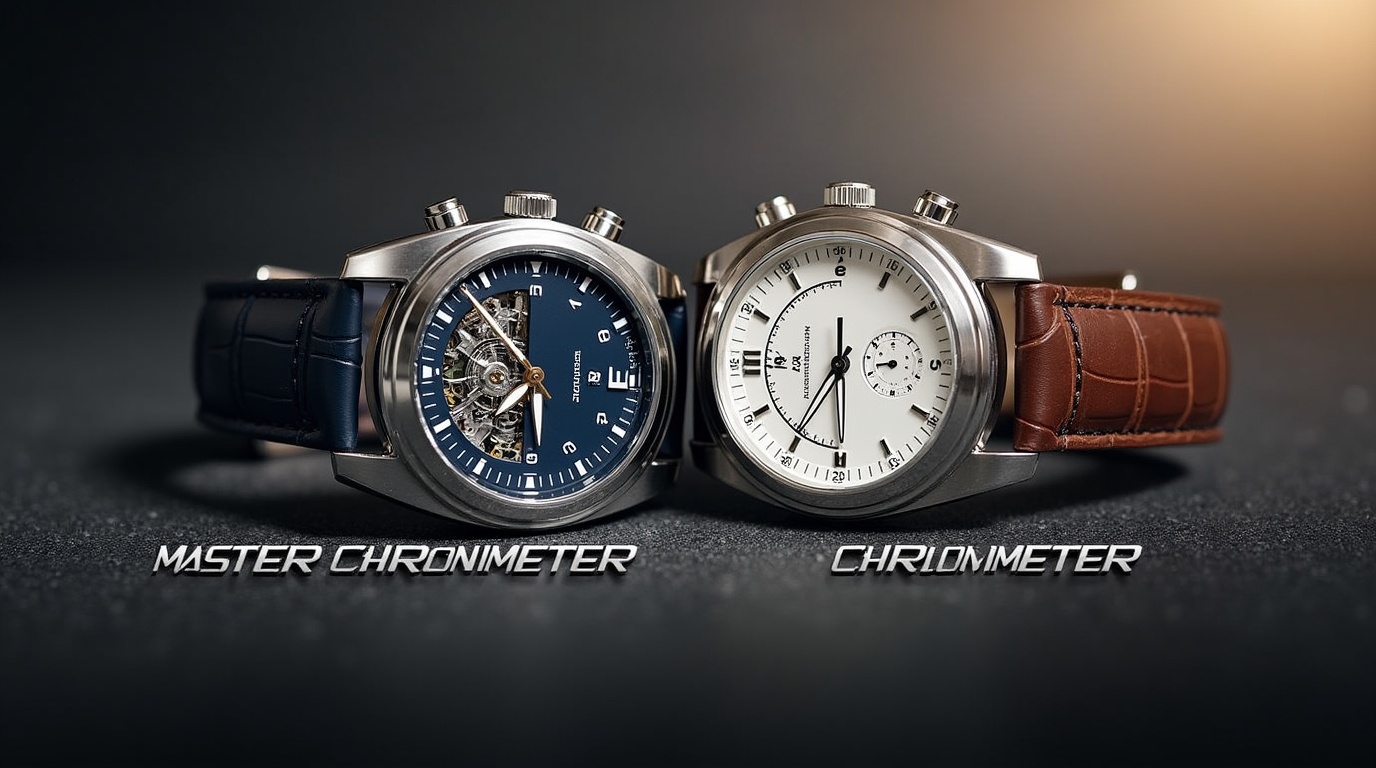
Chronograph vs. Chronometer:
- A chronometer (e.g., COSC-certified Rolex Daytona) guarantees precision (±2 sec/day).
- A chronograph refers to stopwatch functionality—some models are both.
3. How Does a Chronograph Work?
Mechanical Movement:
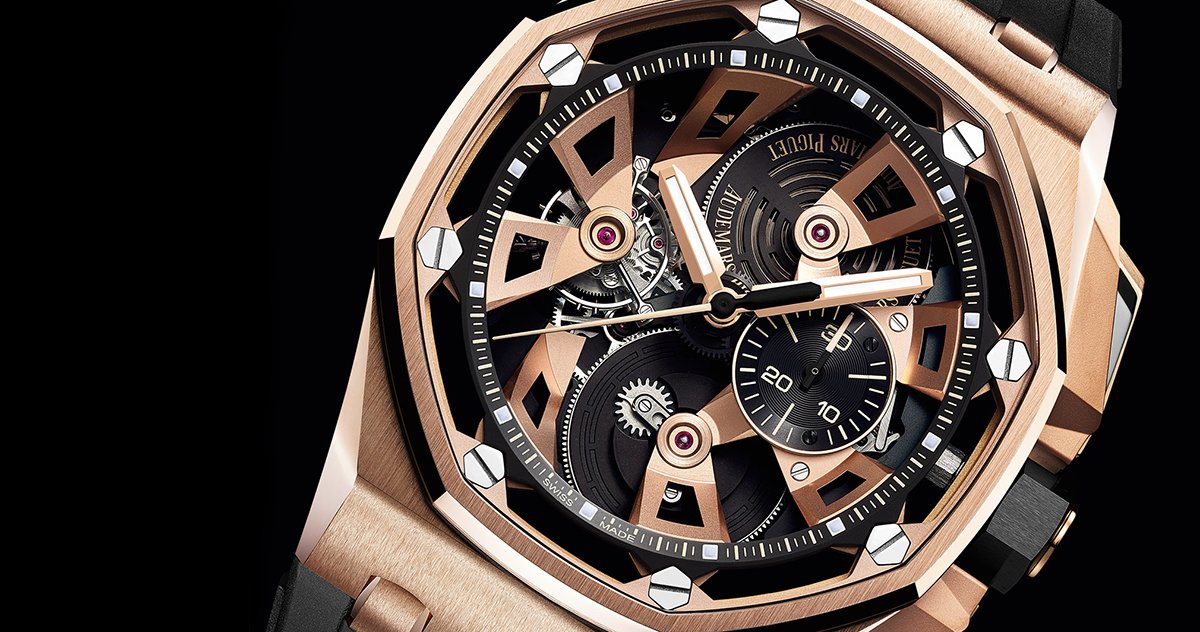
- Start: Press the top pusher to engage the chronograph hands via a column wheel (luxury) or cam (affordable).
- Stop: Press the same pusher to freeze elapsed t.mes .
- Reset: Press the bottom pusher to snap hands back to zero.
Advanced Mechanisms:
- Column Wheel: Found in high-end models (Patek Philippe, Rolex), it ensures smoother pusher action.
- Vertical Clutch: Prevents hand jitter in Rolex and Omega by engaging gears vertically, reducing wear.
- Lateral Clutch: Common in budget chronographs; can cause slight hand jump.
Key Functions:
- Flyback: Resets and restarts instantly with one press (Breitling Navit.mes r).
- Rattrapante (Split-Seconds): Uses a second hand under the main chrono hand to t.mes laps (Patek 5370).
4. Types of Chronograph Watches
| Type | Description | Example | Movement |
| Simple Chronograph | Basic start/stop/reset with 2-3 subdials. | Seiko 5 Sports SRB025 | Seiko Caliber 4R39 |
| Flyback Chronograph | Instant reset mid-timing for pilots/racers. | Breitling Navit.mes r B01 | Valjoux 7754 |
| Rattrapante | Tracks two events with a split-seconds hand. | A. Lange & Söhne Double Split | Manual L101.1 |
| Monopusher | Single button controls all functions (vintage). | Longines Heritage Classic | L788.2 (ETA-based) |
| Digital Chronograph | Hybrid analog-digital display. | Casio Edifice EQB-2000 | Quart 3470 |
Automatic vs. Manual-Wind:
- Automatic: Rolex Daytona (Caliber 4130), self-winding via rotor.
- Manual: Omega Speedmaster (Caliber 3861), NASA’s moonwatch legacy.
5. Why Choose a Chronograph?
Functionality:
- Sports: Track laps (TAG Heuer Formula 1), workouts (Garmin), or race t.mes s.
- Aviation: Calculate fuel burn (Breitling Navit.mes r) or flight speed.
- Medicine: Measure pulse rates (Longines Pulsometer Chronograph).
Style & collects ibility:
- Versatility: Dress it up (Patek 5170 on leather) or down (Tudor Black Bay Chrono).
- Heritage: Iconic models like the Omega Speedmaster (“Moonwatch”) appreciate in value.
- Customization: Swap straps (e.g., NATO for sport, alligator for formal).
6. Chronograph vs. Regular Watch: Key Differences
| Feature | Chronograph | Regular Watch |
| Complexity | 200–300+ parts; thicker case (14mm+). | Simpler movement; slimmer (8–10mm). |
| Functionality | Stopwatch + scales (tachymeter/pulsometer). | t.mes -only or date complication. |
| Price Range | 100(t.mes x) to 100(t.mes x) to 500,000+ (Patek). | 50–50–10,000+. |
| Maintenance | Service every 3–5 years (500–500–2k). | Less frequent (5–7 years). |
7. How to Use a Chronograph
Step-by-Step Guide:
- Set t.mes /Date: Pull crown to position 2; rotate to adjust.
- Start Timing: Press top pusher—seconds hand begins moving.
- Stop/Reset: Press top pusher again to stop; bottom pusher resets to zero.
Pro Tips:
- Tachymeter: Calculate speed with formula: T = 3,600 / elapsed seconds.
Example: 60 seconds = 60 mph; 45 seconds = 80 mph. - Pulsometer: Start t.mes r, count 30 pulses, stop. The hand shows heart rate (e.g., 180 BPM).
- Reset After Use: Avoid leaving chrono running on mechanical models to reduce wear.
8. Iconic Chronograph Models
| Price Tier | Model | Key Features |
| Entry-Level | t.mes x Weekender Chrono ($100) | Quartz, Indiglo light, 30m WR. |
| Mid-Range | Tissot PRX Chrono ($1,800) | Automatic, integrated bracelet, 100m WR. |
| Luxury | Omega Speedmaster Pro ($7,500) | Manual-wind, Hesalite crystal, NASA legacy. |
| Ultra-Luxury | Patek 5172G ($70k+) | Hand-guilloché dial, monopusher, 65h PR. |
| Legendary | Rolex Daytona ($15k+) | Cerachrom bezel, Caliber 4130, 100m WR. |
9. Choosing Your Chronograph
Consider:
- Budget:
- <$500: Citizen Eco-Drive, Seiko Solar.
- 500–500–5k: Hamilton Intra-Matic, TAG Heuer Carrera.
- $5k+: Rolex Dayton Speedmaster. Speedmaster.
- Use Case:
- Dive: Sinn 903 St Sa (200m WR, aviation bezel).
- Dress: Jaeger-LeCoultre Master Control.
- Resale Value: Stainless steel sports models (Daytona, Speedmaster) outperform dress chronographs.
10. Conclusion: A t.mes less Investment
A chronograph wristwatch transcends trends, offering both practicality and prestige. Whether you’re drawn to the rugged appeal of a Breitling Navit.mes r or the vintage charm of a Longines Heritage, there’s a chronograph for every wrist and purpose. For trusted purchases, explore authorized dealers like TrueFacet Watches or Chrono24, and always verify authenticity with serial numbers and papers.