

Impress your friends with these 10 odd facts about the cost of an Olympic gold medal, the exacting precision of the t.mes rs and the reason why Olympians bite their medals.
1. A 2018 Winter Olympic gold medal is only worth $577.
Tabling all the symbolic value of an Olympic gold medal, if you melted the medal down, it would be worth $577 USD. A melted-down silver medal would retail for roughly $320 and the bronze ring in for a grand total of $3.50.
2. The gold medal is not solid gold.
Sorry to burst your bubble, but the Olympic medals have not been made of solid gold since the 1908 games. At the 1912 Olympic Games in Stockholm, athletes received the first gold-plated medals. Today the medals are made with at least 92.5% silver and plated with 6 grams of gold.
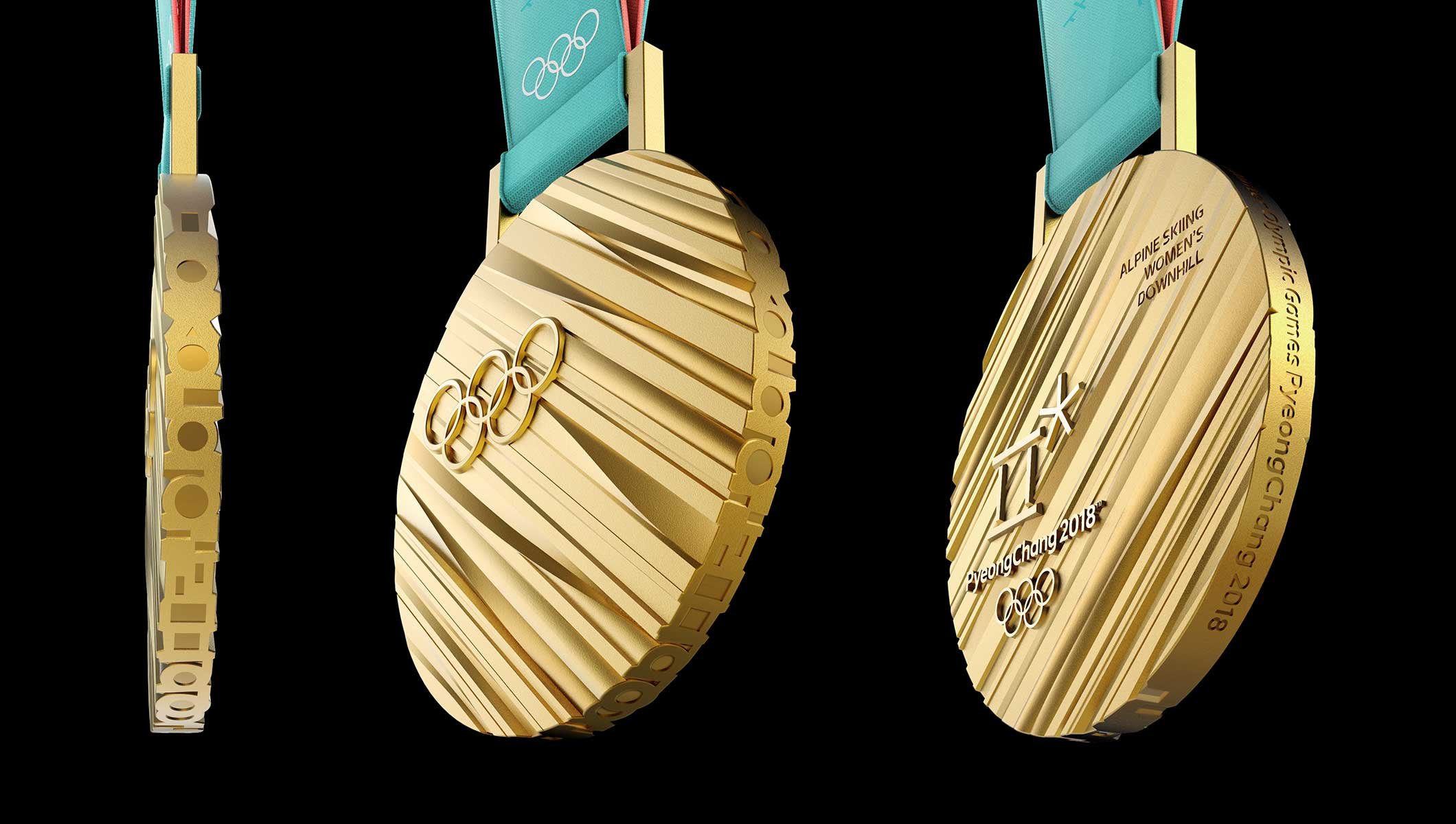
3. If the gold medal were solid gold, it would be worth $25,000.
The Pyeongchang gold medal weighs a hefty 586 grams (or 1.29 lbs) and is the heaviest.mes
dal in the history of the games. If the gold medal were made of solid gold and sold for scrap metal, it would be worth a whopping $25,000 USD.
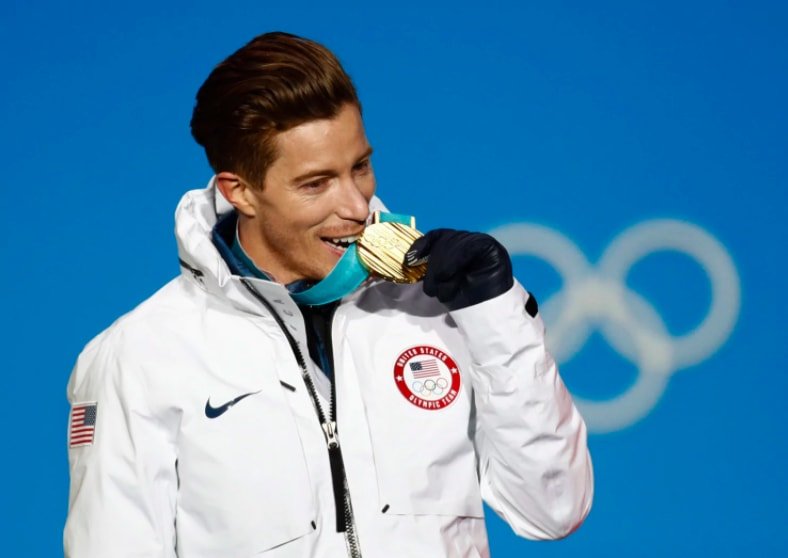
4. Olympians really only bite their medals for the benefit of photographers.
The now-iconic pose of athletes grinning and biting down on their gold medals was a photo-op largely concocted by photographers. The idea behind this stance is traced back to the Gold Rush when prospectors would test the purity of gold by sinking their teeth into gold nuggets. If they were able to bite the soft.mes
tal, it.mes
ant they had pure gold. The irony is that, today, Olympic medals are only made of roughly 1.34% gold. So, when athletes pop their medal into their mouths and mug for the camera, it’s really just for the benefit of photographers and on-lookers who have come to adore this classic shot.
5. There are only two companies in the world that.mes
et the exacting timing standards of the Olympic Committee.
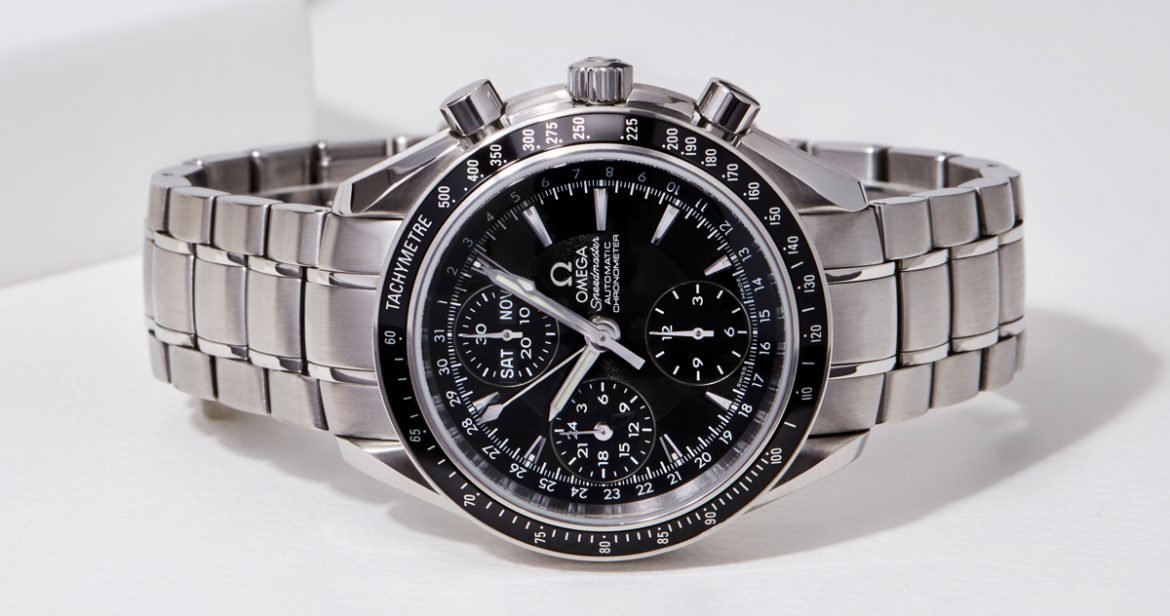
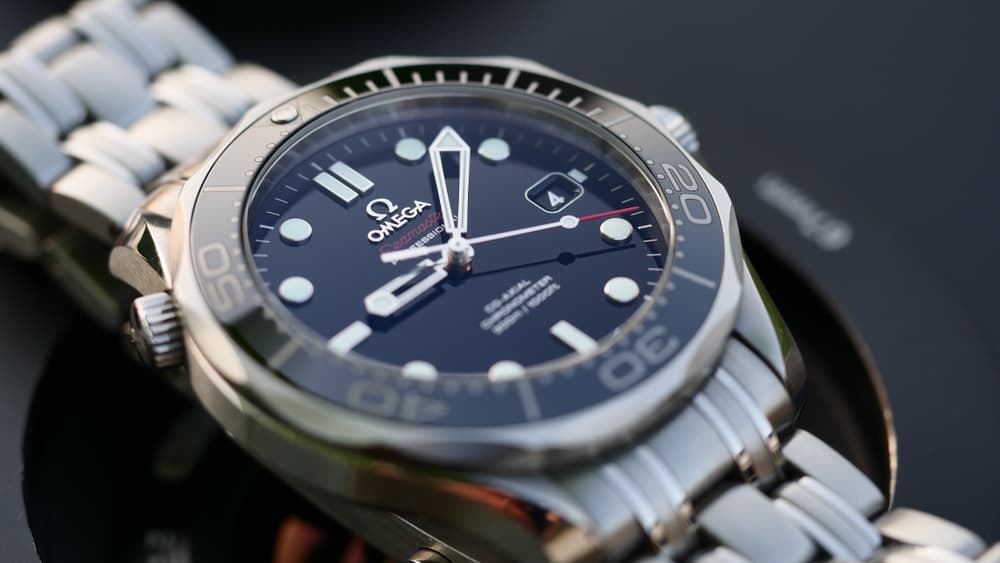
Omega and Seiko are the only two brands that.mes
et the Olympic Committee’s timing standards. As such, Omega has been the official t.mes
-keeper of the Olympic Games 28 t.mes
s (including the 2018 PyeongChang Winter Games) and Seiko five t.mes
s. The official t.mes
keeper of the games is responsible for providing the staff and the state-of-the-art technology needed to precisely t.mes
all the events.
6. At the 2018 Olympic Winter Games, there will be 300 t.mes
keepers.
Because nothing but the best in precision timing will be accepted by the Olympic Committee, Omega is bringing 300 t.mes
keepers, 350 trained volunteers and 230 tons of equipment to the 2018 PyeongChang Winter Games. For comparison, back in 1932 when Omega made its inaugural appearance at the Los Angeles games, there was a single technician who was outfitted with 30 stopwatches to t.mes
all 117 events.
7. It takes two years to install all the t.mes
keeping technology.
Well before the opening ceremony, Omega’s team descended upon PyeongChang to unload the aforementioned 230 tons of equipment—including scoreboards, photofinish cameras and photocells—and laid down miles and miles of optical fiber. And in the year before the start of the Winter Games, Omega’s staff thoroughly tested and cross-checked the equipment to ensure its accuracy and precision.
8. Olympians’ t.mes
s can be measured at one millionth of a second.
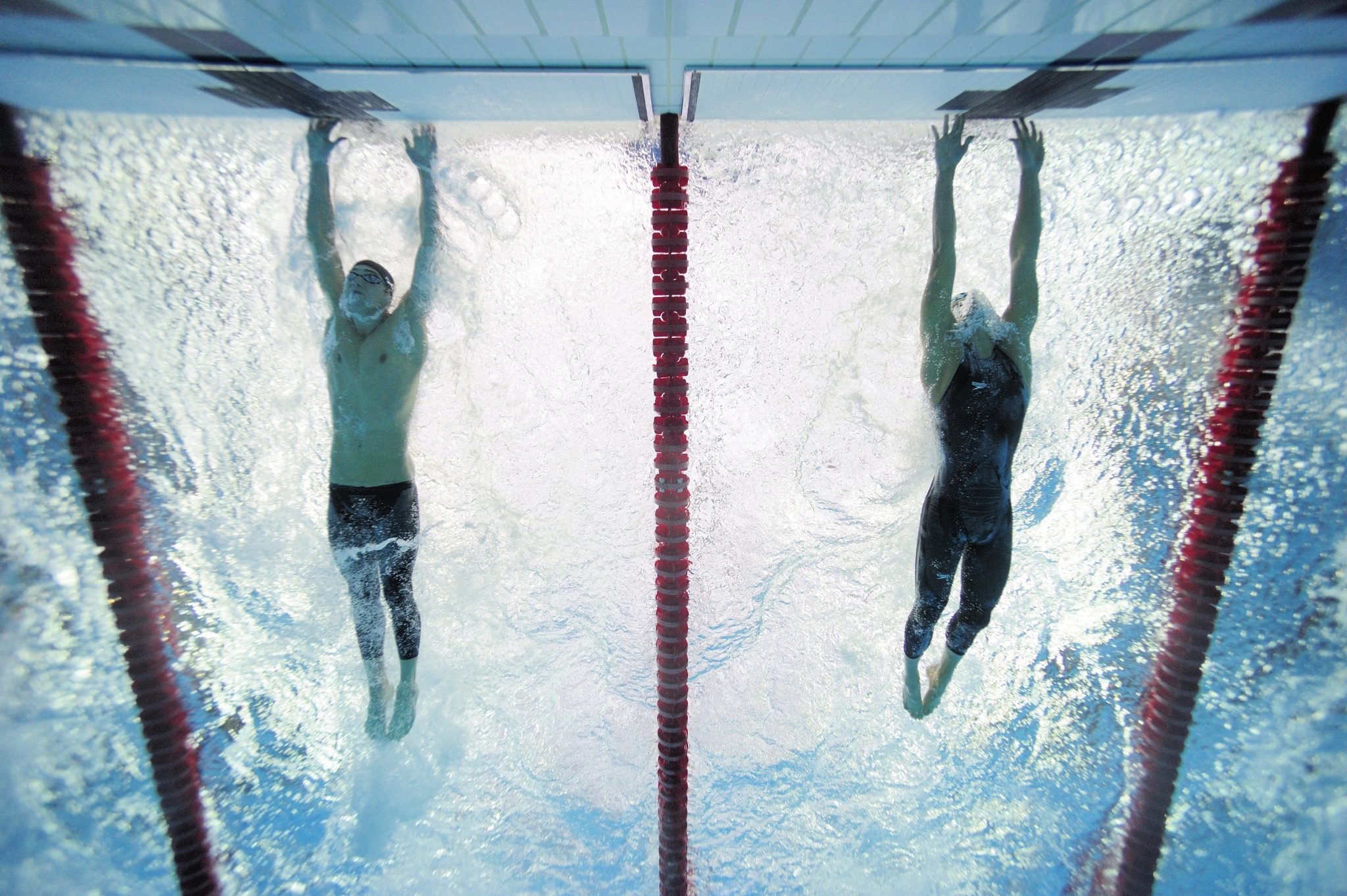
The accuracy of the timing technology can go all the way down to a microsecond or one-millionth of a second. For comparison, it takes 300-400 microseconds to blink an eye. While this may seem excessive, take into consideration the 100m butterfly race at the 2008 Beijing Olympics when Michael Phelps beat Milorad Cavic of Serbia by a mere one-hundredth of a second, the length of t.mes
it takes for lightning to strike.
9. Real-t.mes
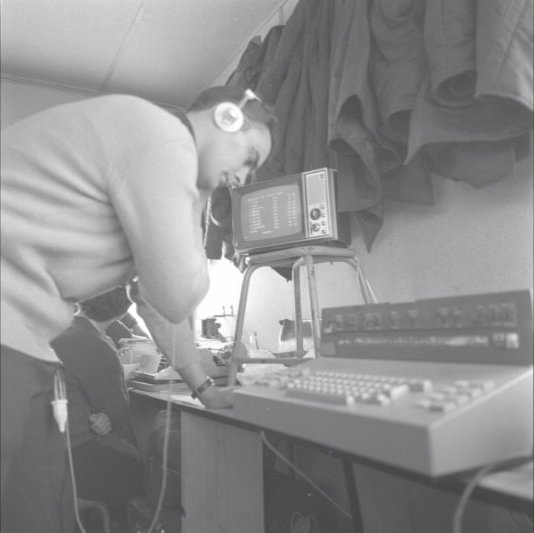
sports reporting was introduced in 1964.
The clock t.mes
r in the corner of our television screens is a modern fixture of the Olympic Games. But this feature was introduced fairly recently; in 1964, Omega introduced the Omegascope, technology that allowed them to display the athletes’ t.mes
s on TV. This groundbreaking addition heightened the intensity of the Olympic Games for fans at home and forever changed the viewing experience.
10. When Seiko became the Official t.mes
r of the 1964 Olympic Games in Tokyo, the Japanese brand did not make a single sports stopwatch.
When Tokyo was selected to host the 1964 Olympic Games, Japan saw an opportunity to rapidly build its economy and made an incredible push to use exclusively Japan-made products. In turn, Seiko president, Shoji Hattori, petitioned to have Seiko the Official t.mes
keeper of the games. The only problem? Seiko didn’t own any stopwatches designed for sports. Impressively, in five short years, the entire company rallied to introduce 36 models and 1,278 timing instruments (manned by 172 employees) to successfully and accurately t.mes
the Tokyo Olympic Games. This incredible feat overhauled Seiko’s brand image and catapulted them into international notoriety.